A Wedding – October 6th, 2016

A Wedding [1978]


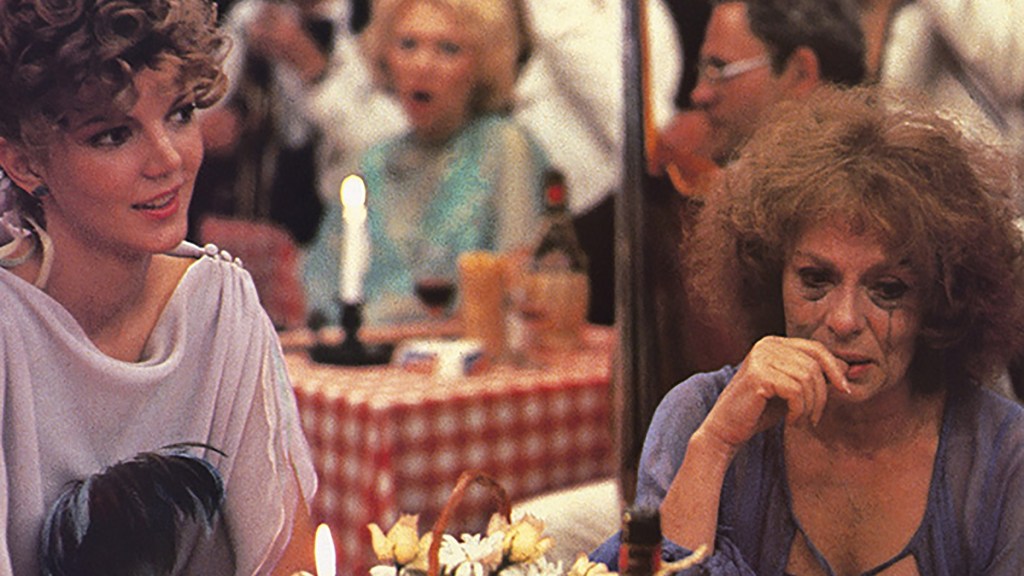
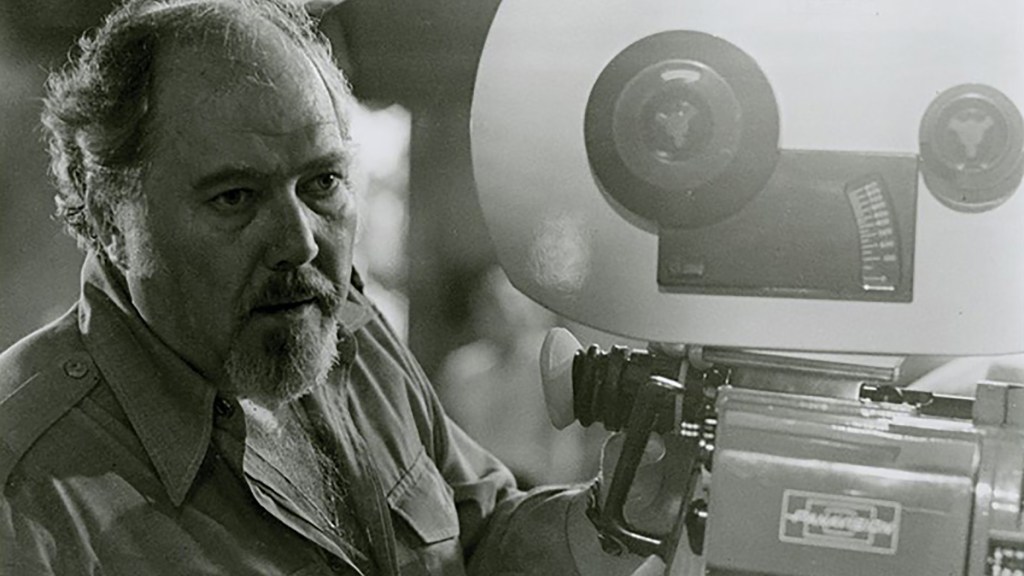
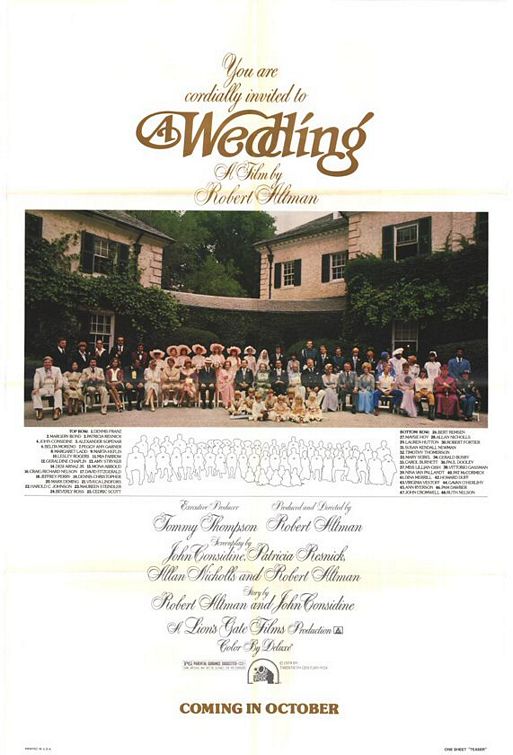
Please join us for a special screening of Robert Altman’s A Wedding [1978], newly restored in 4K by Twentieth Century Fox.

  • Screening Date: Thursday, October 6th, 2016 | 7:00pm
  • Venue: Dipson Theatres Amherst
  • Specifications: 1978 / 125 minutes / English / Color
  • Director(s): Robert Altman
  • Print: Supplied by Twentieth Century Fox Film Corporation
  • Tickets: $9.50 general admission at the door

Event Sponsors:

Venue Information:

3500 Main Street, Buffalo, NY 14226


Synopsis

Courtesy of 1978 program notes, one and two:

A Wedding. The wedding day of a girl from a new-rich Southern family and a boy from an old-money middlewestern matriarchy is the subject of Robert Altman’s most explosively funny film. But like Renoir’s The Rules of the Game, the tone is both comic and tragic, farcical and melodramatic: in short, like life as we know it (but as we hardly ever see it on the screen) in all its squalor and magnificence.

[It’s] a small-scale Nashville — the setting is a society wedding, not a whole town, but there is the same panoramic view, episodic structure and wry comment on American foibles. In a star-studded cast, Carol Burnett shines as the bride’s mother who enjoys a brief flirtation with a wedding guest, Geraldine Chaplin as the wedding organizer and veteran director John Cromwell as the bumbling bishop performing the ceremony.

Tidbits:

  • New York Film Festival – 1978
  • San Sebastián International Film Festival – 1978 – Winner: Best Actress
  • BAFTA Awards – 1979 – Nominee: Best Direction & Best Screenplay
  • Writers Guild of America – 1979 – Nominee: Best Comedy Written Directly for the Screen
  • César Awards – 1979 – Nominee: Best Foreign Film
  • Golden Globes – 1979 – Nominee: Best Actress in a Supporting Role – Motion Picture

Roger Ebert Interview

Courtesy of rogerebert.com:

CANNES, France — Yes, it was very pleasant. We sat on the stern of Robert Altman’s rented yacht in the Cannes harbor, and looked across at the city and the flags and the hills. There was a scotch and soda with lots of ice, and an efficient young man dressed all in white who came on quiet shoes to fill the glasses when it was necessary.

Altman wore a knit sport shirt with the legend of the Chicago Bears over the left pocket: A souvenir, no doubt, from his trips to Chicago to scout locations for A Wedding. He was in a benign mood, and it was a day to savor.

The night before, his film 3 Women had played as an official entry in the Cannes festival, and had received a genuinely warm standing ovation, the most enthusiastic of the festival. Because his M*A*S*H had won the Grand Prix in 1970, Altman could have shown this film out of competition. But he wasn’t having any: “If you don’t want to be in competition,” he was saying, “that means you’re either too arrogant, or too scared. So you might lose? I’ve lost before; there’s nothing wrong with losing.”

He was, as it turned out, only being halfway prophetic: Three days later the jury would award the Grand Prix to an Italian film, giving 3 Women the best actress award for Shelley Duvall’s performance. But on this afternoon it was still possible to speculate about the grand prize, with the boat rocking gently and nothing on he immediate horizon except, of course, the necessity to be in Chicago in June to begin a $4 million movie with 48 actors, most of whom would be on the set every day for two months.

“I’d be back supervising the preparation,” Altman said, “except I’m lazy. Also, my staff knows what I want better than I do. If I’m there, they feel like they have to check with me, and that only slows them down.” Lauren Hutton drifted down from the upper deck. She’ll play a wedding photographer making a 16-mm documentary film-within-a-film in A Wedding, and Altman’s counting on her character to help keep the other characters straight.

“With 48 people at the wedding party, we have to be sure the audience can tell them apart. The bridesmaids will all be dressed the same, for example. So Lauren will be armed with a book of Polaroids of everybody, as a guide for herself, and we can fall back on her confusion when we think the audience might be confused.”

Fresh drinks arrived. Altman sipped his and found it good. His wife, Kathryn, returning from a tour of the yacht harbor, walked up the gangplank and said she had some calls to make. Altman sipped again. “It’s lovely sitting on this yacht,” he said after a moment. “Beats any hotel in town.”

The boat is called Pakcha? I asked.

“Yeah,” said Altman. “Outta South Hampton. It’s been around the world twice. Got its name in one of those South Sea Islands.

Pakcha is a Pacific dialect word for ‘traveling while businessman.'” He shrugged, as if to say, how can I deny it? He sipped his drink again, and I asked if that story was really true about how he got the idea for A Wedding.

“Yeah, that’s how it came about, all right. We were shooting 3 Women out in the desert, and it was a really hot day and we were in a hotel room that was like a furnace, and I wasn’t feeling too well on account of having felt too well the night before, and this girl was down from L.A. to do some in-depth gossip and asked me what my next movie was going to be. At that moment, I didn’t even feel like doing this movie, so I told her I was gonna shoot a wedding next. A wedding? Yeah, a wedding.

“So a few moments later my production assistant comes up and she says, ‘Bob, did you hear yourself just then?’ Yeah, I say, I did. ‘That’s not a bad idea, is it? She says. Not a bad idea at all, I say; and that night we started on the outline.” 3 Women itself had an equally unlikely genesis, Altman recalled: “I dreamed it. I dreamed of the desert, and these three women, and I remember every once in a while I’d dream that I was waking up and sending out people to scout locations and cast the thing. And when I woke up in the morning, it was like I’d done the picture. What’s more, I liked it. So, what the hell, I decided to do it.”

The movie is about…well, it’s about whatever you think it’s about. Two of the women, the main characters, seem to undergo a mysterious personality transfer in the film’s center, and then they fuse with the third woman to form a new personality altogether.

Some viewers have found it to be an Altman statement on women’s liberation, but he doesn’t see it that way: “For women’s lib or against? Don’t ask me. If I sat here and said the film was about X, Y and Z, that restricts the audience to finding the film within my boundaries. I want them to go outside to bring themselves to the film. What they find there will be at least as interesting as what I did…

“And I kept on discovering things in the film right up to the final edit. The film begins, for example, with Sissy Spacek wandering in out of the desert and meeting Shelley Duvall and getting the job in the rehabilitation center. And when I was looking at the end of the film during the editing process, it occurred to me that when you see that final exterior shot of the house, and the dialog asks the Sissy Spacek character to get the sewing basket — well, she could just walk right out of the house and go to California and walk in at the beginning of the movie, and it would be perfectly circular and even make sense that way. But that’s only one way to read it.”

Altman said he’s constantly amazed by the things he reads about his films in reviews. “Sometimes,” he said, “I think the critics take their lead from the statements directors themselves make about their films. There was an astonishing review in Newsweek by Jack Kroll, for example, of Fellini’s Casanova. It made no sense at all, in terms of the film itself. But then I read something Fellini had said about the film, and I think Kroll was simply finding in the film what Fellini said he put there.

“With 3 Women, now, a lot of the reviews go on and on about the supposed Jungian implications of the relationships. If you ask me to give a child’s simplified difference between Jung and Freud, I couldn’t. It’s just a field I know nothing about. But the name of Jung turns up in the production notes that were written for the press kit, and there you are.”

The problem, he said, is that people insist on getting everything straight. On having movies make sense, and on being provided with a key for unlocking complex movies.

“It’s the weirdest thing. We’re willing to accept anything, absolutely anything, in real life. But we demand order from our fantasies. Instead of just going along with them and saying, yeah, that’s right, it’s a fantasy and it doesn’t make sense. Once you figure out a fantasy, it may be more satisfying but it’s less fun.”

For reasons having something to do with that, he said, he likes to take chances on his films: “Every film should be different, and get into a different area, and have its own look. I’d hate to start repeating myself. I have this thing I call a fear quotient. The more afraid I am, going in, the better the picture is likely to be.” A pause.

“And on that basis, A Wedding is going to be my best picture yet. “I like to allow for accidents, for happy occurrences and mistakes. That’s why I don’t plan too carefully, and whey we’re going to use two cameras and shoot 500,000 feet of film on A Wedding. Sometimes you don’t know yourself what’s going to work. I think a problem with some of the younger directors, who were all but raised on film, is that their film grammar has become too rigid. Their work is inspired more by other films than by life.

“That happened to Godard, and to Friedkin it may be happening. To Bogdanovich without any doubt. He has all these millions of dollars and all these great technicians, and he tells them what he wants and they give it to him. Problem is, maybe when he gets it, it turns out he didn’t really want it after all, but he’s stuck with it.”

Altman has rarely had budgets large enough to afford such freedom, if freedom’s the word. Although he’s had only one smash hit, M*A*S*H, he keeps working and remains prolific because his films are budgeted reasonably and brought in on time. 3 Women, for example, is a challenging film that may not find enormous audiences, but at $1.6 million it will likely turn a profit.

“I made a deal with the studio,” he said, “if we go over budget, I pay the difference. If we stay under, I keep the change. On that one, we came in about $100,000 under budget, which certainly wasn’t enough to meet much of the overhead of keeping this whole organization going…but then of course you hope the film goes into profit.”

He always makes a film believing it will be enormously profitable, he said: “When I’m finished, I can’t see any way that millions of people won’t want to see what I’ve done. With The Long Goodbye, for example, we thought we had a monster hit on our hands. With Nashville, my second biggest grossing film, we did have a hit, but it was oversold. Paramount was so convinced they were going through the sky on that film that they spent so damned much money promoting it that they may never break even. It grossed $16 million, which was very good considering its budget, but they thought it would top $40 million, and they were wrong.”

But, of course, A Wedding, will be a monster hit? “I really hope so. If things work out the way I anticipate they will, it will certainly be my funniest film. I mean really funny. But then funny things happen every day.”

The man in white came on quiet shoes, and there was another scotch and soda where the old one had been. Altman obviously had a funny example in mind. “I had this lady interviewer following me around,” he said. “More of that in-depth crap. She was convinced that life with Altman was a never-ending round of orgies and excess. She was even snooping around in my hotel bathroom, for Christ’s sake, and she found this jar of funny white powder in the medicine cabinet. Aha! she thinks. Cocaine! So she snorts some. Unfortunately, what she didn’t know was that I’m allergic to commercial toothpaste because the dentine in it makes me break out in a rash. So my wife mixes up baking soda and salt for me, and — poor girl.”

He lifted his glass and mutely toasted her, and Cannes, and whatever.

photos courtesy of Splendor Films.


Director Bio

“Filmmaking is a chance to live many lifetimes.”

Courtesy of The Criterion Collection:

Few directors in recent American film history have gone through as many career ups and downs as Robert Altman did. Following years of television work, the rambunctious midwesterner set out on his own as a feature film director in the late 1950s, but didn’t find his first major success until 1970, with the antiauthoritarian war comedy M*A*S*H. Hoping for another hit just like it, studios hired him in the years that followed, most often receiving difficult, caustic, and subversive revisionist genre films. After the success of 1975’s panoramic American satire Nashville, Altman once again delved into projects that were more challenging, especially the astonishing, complex, Bergman-influenced 3 Women. Thereafter, Altman was out of Hollywood’s good graces, though in the eighties, a decade widely considered his fallow period, he came through with the inventive theater-to-film Nixon monologue Secret Honor and the TV miniseries political satire Tanner ’88. The double punch of The Player and the hugely influential ensemble piece Short Cuts brought him back into the spotlight, and he continued to be prolific in his output into 2006, when his last film, A Prairie Home Companion, was released months before his death at the age of eighty-one.

Filmography:

  • A Prairie Home Companion (2006)
  • The Company (2003)
  • Gosford Park (2001)
  • Dr. T and the Women (2000)
  • Cookie’s Fortune (1999)
  • The Gingerbread Man (1998)
  • Kansas City (1996)
  • Ready to Wear (1994)
  • Short Cuts (1993)
  • The Player (1992)
  • Vincent & Theo (1990)
  • The Caine Mutiny Court-Martial (1988)
  • Aria (1988)
  • O.C. And Stiggs (1987)
  • Beyond Therapy (1987)
  • Fool For Love (1985)
  • Secret Honor (1984)
  • Streamers (1983)
  • Come Back to the 5 & Dime, Jimmy Dean, Jimmy Dean (1982)
  • Popeye (1980)
  • Health (1980)
  • A Perfect Couple (1979)
  • Quintet (1979)
  • A Wedding (1978)
  • 3 Women (1977)
  • Nashville (1975)
  • Thieves Like Us (1974)
  • California Split (1974)
  • The Long Goodbye (1973)
  • images (1972)
  • McCabe & Mrs. Miller (1971)
  • M*A*S*H (1970)
  • Brewster McCloud (1970)
  • That Cold Day in the Park (1969)
  • Countdown (1968)
  • The James Dean Story (1957)
  • The Delinquents (1957)

Links

Here is a curated selection of links shared on our Facebook page for additional insight/information:

  • 9/20/16 – “The staging of the action is as exhilarating as ever, and there are glorious moments in the twisted, kaleidoscopic narrative.”
    Geoff Andrew, Time Out New York
  • 9/30/16 – Guess who Robert Altman and 20th Century Fox have invited to A Wedding? – 1978 TV Trailer
  • 10/06/16 – Not a pull quote to be found, but a solid critical look at A Wedding by Jonathan Rosenbaum none-the-less – link
  • 10/29/16 – Need a beginner’s guide to the work of Robert Altman? Look no further than Noel Murray’s in-depth intro over at The A.V. Club! – link
  • 11/22/16 – On Friday (11/25/16), in honor of the 10th anniversary of his death, the BFI published Geoff Andrew’s must read intro to the wild and woolly world of director Robert Altman. – link
  • 11/29/16 – Must read for Robert Altman fans – Stephen Lemons’ gushing career overview for Salon – link

John J. Fink

Buffalo is full of people helping to cultivate cinema and we want to celebrate those involved. The Cultivators is a new monthly feature in which we highlight individuals who are integral to the presentation, promotion and production of film here in the queen city.

THE CULTIVATORS #005

JOHN J. FINK

Artistic Director at Buffalo International Film Festival | Senior Staff Writer at The Film Stage
Twitter: @finkjohnj

QUESTIONS & ANSWERS

What got you interested in movies?

I think my intro came like most: seeing and enjoying mainstream movies. In particular Saturday matinees at the 10-plex in Paramus, New Jersey where I became interested in the fact that in each one of those rooms something different was happening while I was seeing films like Dennis The Menace and Groundhog’s Day.

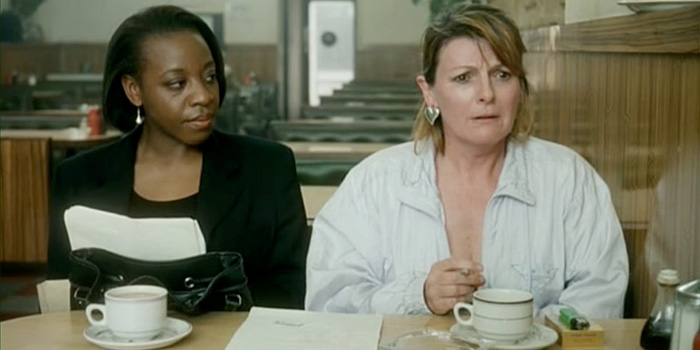
I developed a little more adventurous taste around middle school thanks to Siskel and Ebert. I became interested in the small ads for foreign and indie films—things that would rarely make the Paramus 10-plex. And then one day one of those acclaimed films mysteriously showed up at another local New Jersey multiplex: Mike Leigh’s Secrets & Lies. Mom and I decided to go see it.

That film blew my mind—a work of improvisational social realism that proved to be more exciting than the latest James Cameron action film. I’m grateful to my mother, Gayle, who supported this inquiry—suffering through countless films until my 17th birthday when I was able to drive myself to the art houses in Montclair, NJ where I continued my film education with films like The Piano TeacherChopperY Tu Mamá También, and Divine Intervention. I’ve been fortunate enough to live all of my life in or near cities with great art house cinemas.


What is your favorite movie related memory?

I have so many great ones from my first TIFF screening ten years ago at the Ryerson (which has been home to many great movie memories) to seeing Last Day of Disco (one of my favorites) with a packed house at Metrograph in August.

It’s so difficult to pin-point one memory but I do think cinema is a useful tool for reflection and self-discovery and sometimes intentionally or unintentionally its a therapy for the viewer as much as it is the filmmaker. Films that have hit me hardest as a teen were films that seem to directly reflect an emotional reality that wasn’t always represented—films like Rob Schmidt’s Crime and Punishment in Suburbia and Sofia Coppola’s The Virgin Suicides, both of which I had seen in theaters and nailed what it was like to be a teenage boy making sense of all those pretty girls that unintentionally drive you insane while also blurring the boundaries between fantasy and reality as one gets to know his backstory. I’m a sucker for films about time and place, particularly those about the American suburbs.

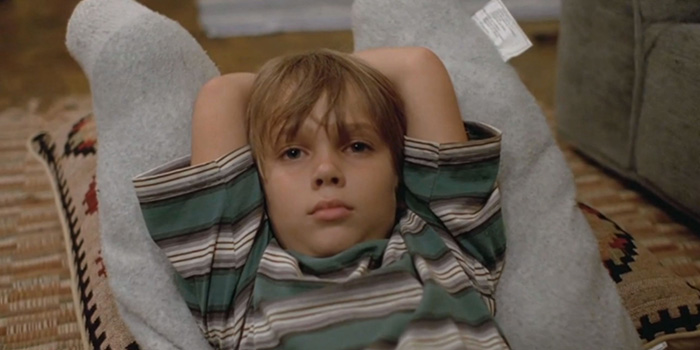
A second viewing of Richard Linkater’s Boyhood became a more personal experience a month after my grandmother passed away. Having seen the film months after its opening weekend, I found the experience more intense, emotional, and rich the second time around. That afternoon I walked into Dipson’s McKinley Mall, cried more than I ever have before at a movie, and walked out refreshed having had a cathartic experience. I don’t think that’s ever happened to me during a second viewing.


How did you end up in Buffalo?

After the economy fell off a cliff in 2008 (sometime after a particularly excellent cinematic adventure at TIFF) I decided it was time to get back to my passion: film. I had been working in sales and operations for a rather large and conservative regional bank. Even through they were well-managed, they were not immune to the economic earthquake. The breaking point was taking a class to become a CTP (Certified Treasury Professional) only to be told Congress will be changing much of what we were learning in the next few days (but we still had to know it for the test!).

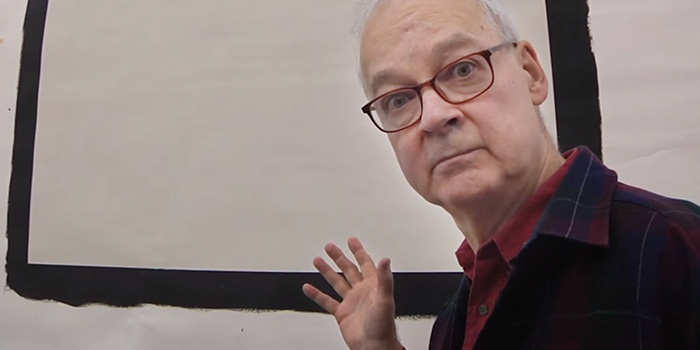
After researching my options I landed at the University at Buffalo, Department of Media Study in the fall of 2009 to pursue an MFA. I had originally arrived in a very experimental department in transition as someone mostly interested in narrative film and found an unlikely supporter in the great Tony Conrad. Buffalo proved to be an amazing playground for the arts (although not without its challenges) and I enjoyed the kind of wild-west atmosphere where great things were possible for a guerrilla filmmaker with organizations like Hallwalls and Squeaky Wheel providing a platform (and audience) to take on projects that blended film and installation through their big annual fundraiser parties.

In 2013 my graduate thesis film Brandonwood (filmed mostly in WNY’s Southtowns) had its world premiere at BIFF. The next year shortly after the festival, BIFF founder and director Ed Summer passed away and I thought surely BIFF would remain dormant. I was encouraged by the movement to relaunch the festival as it represented a rare opportunity to host the kind of regional festival I would have liked to have attended as a cinephile living in Buffalo, so I jumped at the opportunity to join the team. Although I have moved back to the New York City area for family and professional reasons, I remain closely connected to the 716 though BIFF, various film projects, and close friends and collaborators.


What do you want to see more of in Buffalo?

I’d love to see FILM make a comeback—at least for many of the exciting repertory screenings that are hosted around town weekly! Nationally it’s encouraging to see 35MM is being championed by filmmakers and operators like the Alamo Drafthouse and in New York by the new Metrograph (which presents several 35MM prints a day). While I admire new digital restorations that make classics more accessible via DCP, I really love the texture of a properly preserved and presented print. On a related side note: we have intel that a 70MM projector exists in a mothballed WNY cinema! My dream is to save, restore, and install it for big screen classics and the latest works from our contemporary master filmmakers who are still fighting the good fight. Any cultivators up for a heist and/or caper?


What are your essential film books?

My gateway of course was anything written by Roger Ebert. I used to sit in my room skimming his big book of reviews as a kid and teen before high speed internet. When I grew up and met other cinephiles in the festival and criticism circles, I found that wasn’t so unusual.

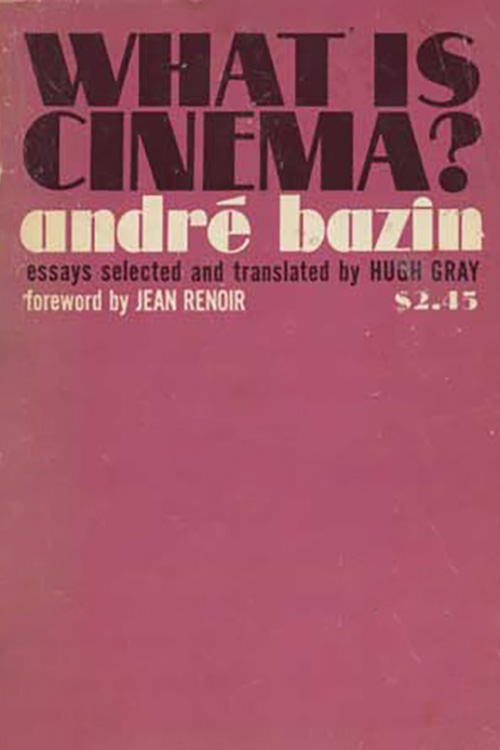
Essentials discovered further along in my formal film education are Pier Paolo Pasolini’s Heretical Empiricism and Andre Bazin’s What is Cinema which, when read together, offer some interesting tension around the grammar and politics of cinema. I like that Bazin’s “Myth of Total Cinema” continues to poke its thumb at new media storytelling like VR and 4D Cinema, even as they are heralded as the next big thing. I also recently read Hitchock/Trauffaut after seeing Kent Jones’ terrific film at TIFF last year and it might as well replace Bordwell and Thompson as the default text in every “Intro to Film” course.

TOP TEN FILMS
  1. Barcelona [1994], directed by Whit Stillman
  2. The Piano Teacher [2001], directed by Michael Haneke
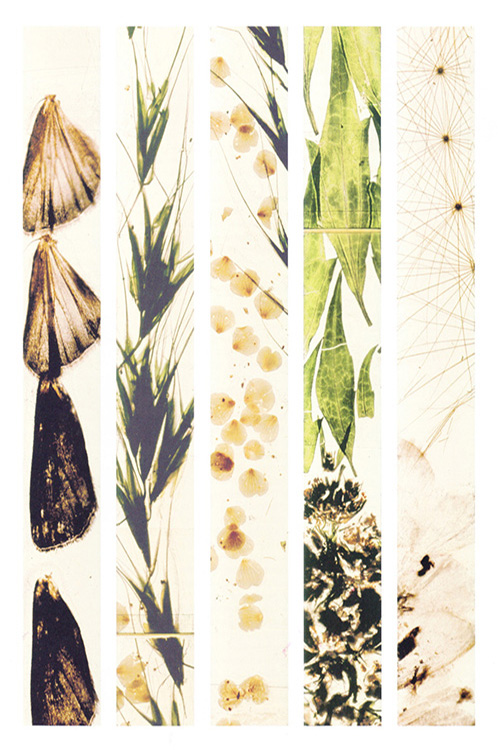
  3. Mothlight [1963], directed by Stan Brackhage
  4. Syndromes and a Century [2007], directed by Apichatpong Weerasethakul
  5. In Jackson Heights [2015], directed by Fredrick Wiseman
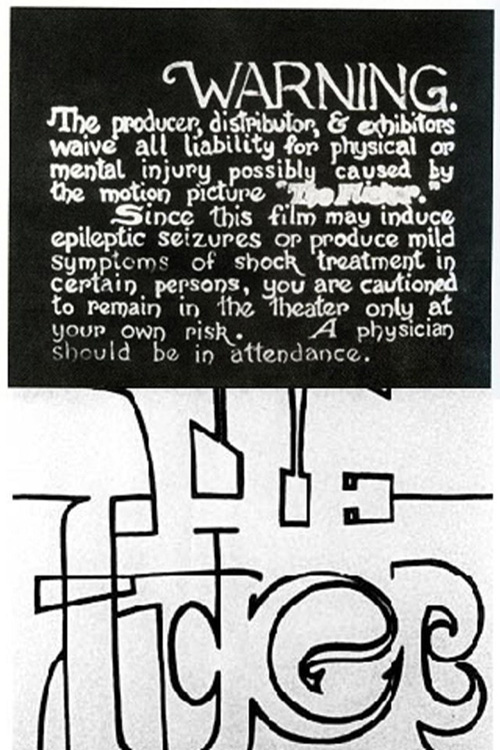
  6. The Flicker [1966], directed by Tony Conrad
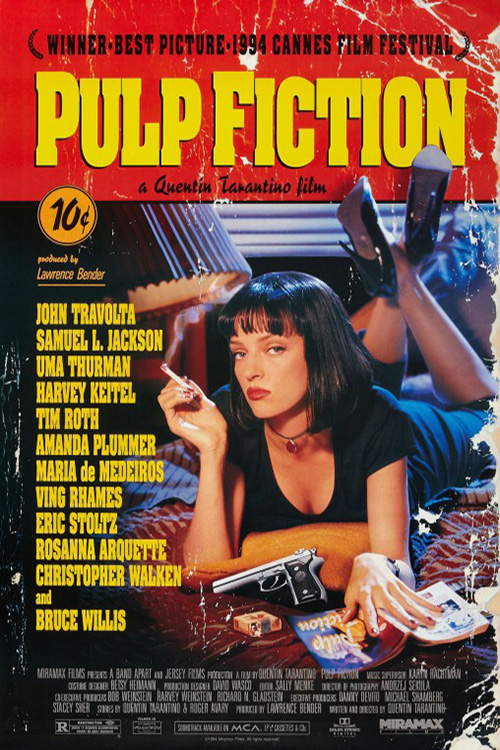
  7. Pulp Fiction [1994], directed by Quentin Tarantino
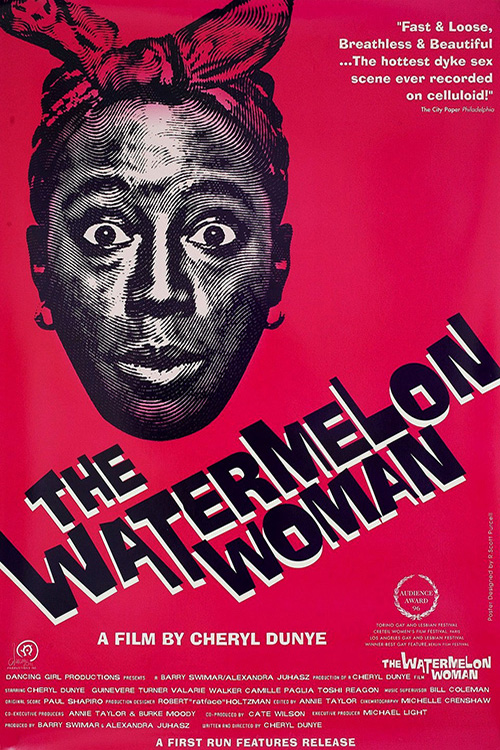
  8. The Watermelon Woman [1996], directed by Cheryl Dunye
  9. Sunshine State [2002], directed by John Sayles
  10. Exotica / The Sweet Hereafter [1994 / 1997], directed by Atom Egoyan
    • Egoyan’s back-to-back masterpieces

Film stills from left to right, top to bottom are Dennis the MenaceSecrets & Lies, Y Tu Mamá TambiénThe Last Days of DiscoThe Virgin SuicidesBoyhood, Tony Conrad, and Brandonwood.

Raymond Guarnieri

Buffalo is full of people helping to cultivate cinema and we want to celebrate those involved. The Cultivators is a new monthly feature in which we highlight individuals who are integral to the presentation, promotion and production of film here in the queen city.

THE CULTIVATORS #004

RAYMOND GUARNIERI

Former Executive Director at Buffalo International Film Festival | Writer, Director & Producer of Buffalo Boys (2013)
Website: raymondguarnieri.com / Twitter: @RayGuarnieri

QUESTIONS & ANSWERS

What got you interested in movies?

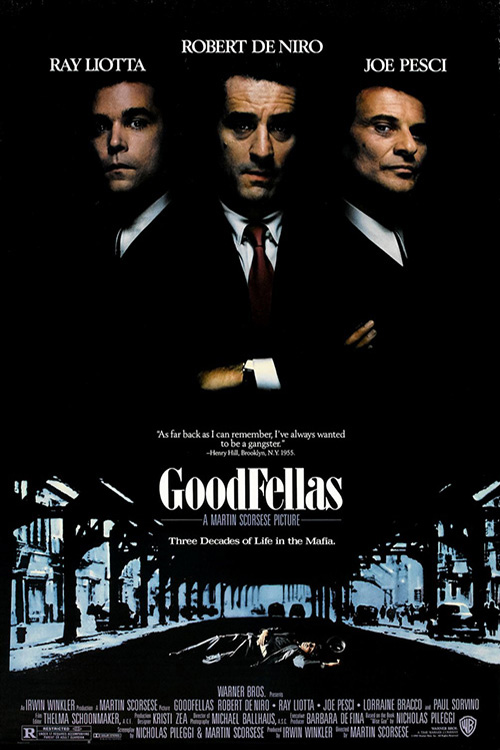
I grew up on Scorsese and DeNiro because of my dad’s side of the family (Italian American). GoodfellasCasinoRaging Bull. I wanted to be an actor and went to The American Academy of Dramatic Arts in NYC right out of high school. I graduated at the start of the DSLR revolution and stumbled into producing and directing my first feature Buffalo Boys. Since then my life has revolved around the moving image.


What is your favorite movie related memory?

My VERY first memory period is of my dad standing over me while I lay in a portable crib. He was impersonating DeNiro in Taxi Driver while looking down at me, “What are you looking at? Are you looking at me? Are YOU looking at ME?”


How did you end up in Buffalo?

I grew up all over WNY: Clarence, Tonawanda, Cheektowaga. I’ve lived full-time in NYC since 2008 but make it back 4-5 times a year to keep the Buffalo International Film Festival going and to be with family and friends.


What do you want to see more of in Buffalo?

I want to see more major motion pictures being made in Buffalo. I want to see all the unions represented. I want filmmaking to be a viable career choice for people all over WNY (without having to move to Toronto, NYC or LA). I want Buffalo to be the home of a premiere film festival—where filmmakers from around the country and world hope to have their movie screened so that it might be picked up by a distributor and even nominated for an Oscar.


What are your essential film books?

In order of importance:
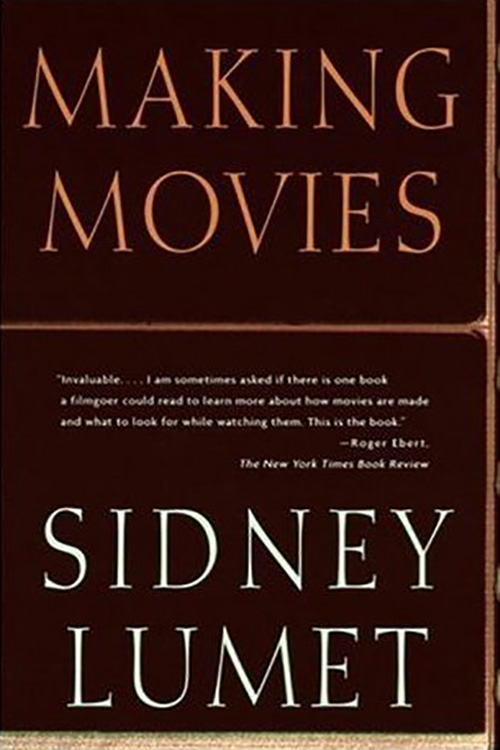
1.) Making Movies, Sidney Lumet
2.) On Directing Film, David Mamet
3.) Shooting To Kill, Christine Vachon

TOP TEN FILMS

I’m so mad that you’re even making me do this.

  1. Goodfellas [1990], directed by Martin Scorsese
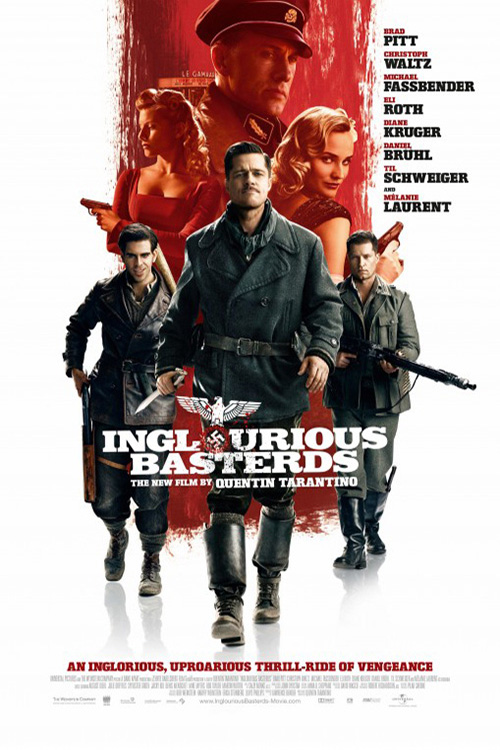
  2. Inglorious Basterds [2009], directed by Quentin Tarantino
  3. Shadow of a Doubt [1943], directed by Alfred Hitchcock
    • Alfred Hitchcock is the greatest artist of the 20th Century.
  4. Citizen Kane [1941], directed by Orson Welles
  5. 2001: A Space Odyssey [1968], directed by Stanley Kubrick
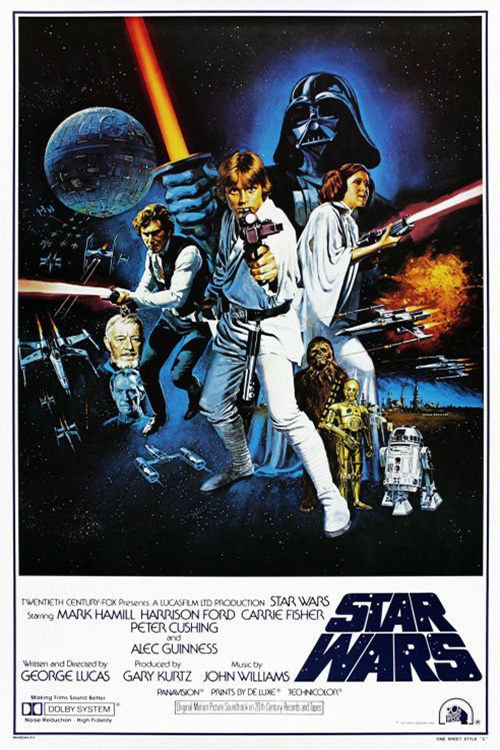
  6. Star Wars: Episode IV – A New Hope [1977], directed by George Lucas
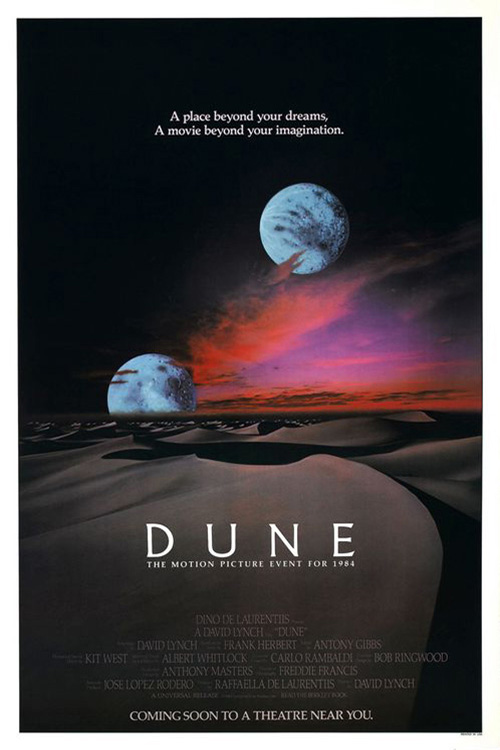
  7. Dune [1984], directed by David Lynch
    • The 1984 David Lynch version … DON’T JUDGE ME.
  8. Pulp Fiction [1994], directed by Quentin Tarantino
  9. The Shining [1980], directed by Stanley Kubrick
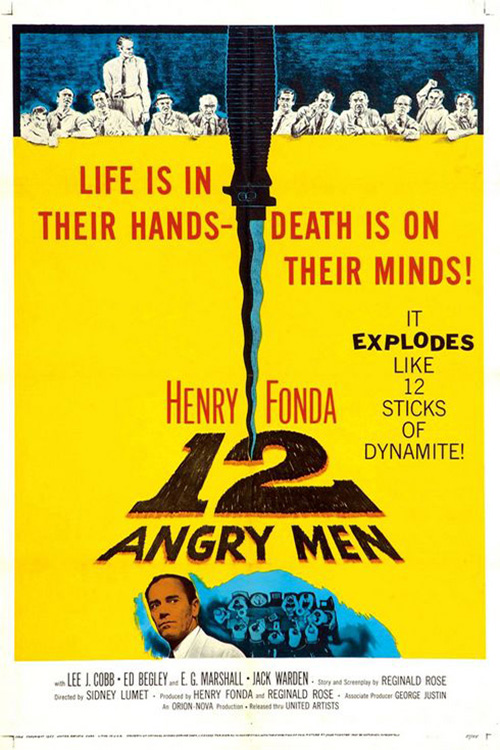
  10. 12 Angry Men [1957], directed by Sidney Lumet

Film stills from left to right, top to bottom are GoodfellasRaging BullBuffalo Boys, and Taxi Driver.

The Story of the Last Chrysanthemum – September 28th, 2016

The Story of the Last Chrysanthemum [1939]


Please join us for a special screening of Kenji Mizoguchi’s The Story of the Last Chrysanthemum [Zangiku monogatari] [1939], newly restored by Janus Films.

  • Screening Date: September 28th, 2016 | 7:00pm
  • Venue: Squeaky Wheel Film & Media Arts Center
  • Specifications: 1939 / 142 minutes / Japanese / Black & White
  • Director(s): Kenji Mizoguchi
  • Print: Supplied by Janus Films
  • Tickets: $7.00 General Admission / FREE for Squeaky Members

Event Sponsors:

Venue Information:

Market Arcade Complex (first floor) 617 Main Street, Buffalo, NY 14203


Synopsis

Courtesy of Janus Films:

This achingly gorgeous emotional epic from the incomparable Kenji Mizoguchi is one of the triumphs of Japanese cinema. The Story of the Last Chrysanthemum follows the journey of a young actor who breaks away from his wealthy kabuki troupe family to marry his parents’ former servant; cruelly estranged, he and his wife descend into poverty and disillusionment on society’s margins. Featuring the kind of delicate yet dexterous camera movements for which Mizoguchi would forever be known, this patiently observed nineteenth-century drama is a poignant tale of tragedy and redemption and a moving depiction of the potency of love in the face of rigid social strictures.


Director Bio

“You must put the odor of the human body into images…describe for me the implacable, the egoistic, the sensual, the cruel…there are nothing but disgusting people in this world.”

Courtesy of The Criterion Collection:

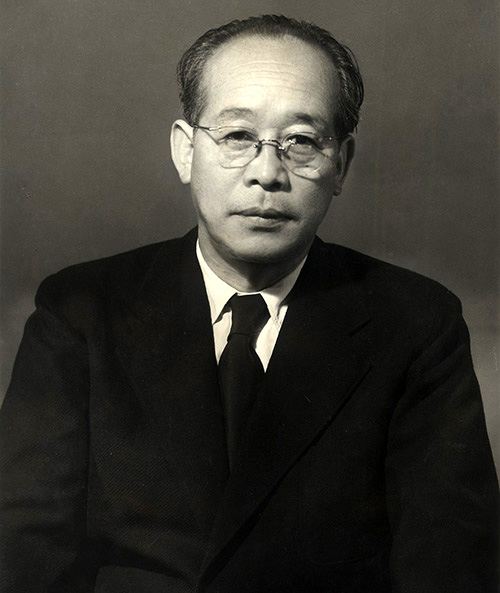
Often named as one of Japan’s three most important filmmakers (alongside Akira Kurosawa and Yasujiro Ozu), Kenji Mizoguchi created a cinema rich in technical mastery and social commentary, specifically regarding the place of women in Japanese society. After an upbringing marked by poverty and abuse, Mizoguchi found solace in art, trying his hand at both oil painting and theater set design before, at the age of twenty-two in 1920, enrolling as an assistant director at Nikkatsu studios. By the midthirties, he had developed his craft by directing dozens of movies in a variety of genres, but he would later say that he didn’t consider his career to have truly begun until 1936, with the release of the companion films Osaka Elegy and Sisters of the Gion, about women both professionally and romantically trapped. Japanese film historian Donald Richie called Gion “one of the best Japanese films ever made.” Over the next decade, Mizoguchi made such wildly different tours de force as The Story of the Last Chrysanthemum (1939), The 47 Ronin (1941–42), and Women of the Night (1948), but not until 1952 did he break through internationally, with The Life of Oharu, a poignant tale of a woman’s downward spiral in an unforgiving society. That film paved the road to half a decade of major artistic and financial successes for Mizoguchi, including the masterful ghost story Ugetsu (1953) and the gut-wrenching drama Sansho the Bailiff (1954), both flaunting extraordinarily sophisticated compositions and camera movement. The last film Mizoguchi made before his death at age fifty-eight was Street of Shame (1956), a shattering exposé set in a bordello that directly led to the outlawing of prostitution in Japan. Few filmmakers can claim to have had such impact.

Filmography:

  • Street of Shame (1956)
  • Taira Clan Saga (1955)
  • Princess Yang Kwei-fei (1955)
  • A Story from Chikamatsu (1954)
  • The Woman of Rumour (1954)
  • Sansho the Bailiff (1954)
  • A Geisha (1953)
  • Ugetsu (1953)
  • The Life of Oharu (1952)
  • The Lady from Musashino (1951)
  • Miss Oyu (1951)
  • Yuki fujin ezu (1950)
  • Flame of My Love (1949)
  • Women of the Night (1948)
  • Joyû Sumako no koi (1947)
  • Utamaro and His Five Women (1946)
  • Josei no shôri (1946)
  • Hisshôka (1945)
  • Meitô bijomaru (1945)
  • Miyamoto Musashi (1944)
  • Danjuro sandai (1944)
  • The 47 Ronin (1941)
  • Geidô ichidai otoko (1941)
  • Naniwa onna (1940)
  • The Story of the Last Chrysanthemum (1939)
  • Aa kokyo (1938)
  • The Song of the Camp (1938)
  • The Straits of Love and Hate (1937)
  • Sisters of the Gion (1936)
  • Osaka Elegy (1936)
  • Poppy (1935)
  • Maria no Oyuki (1935)
  • Aizô tôge (1934)
  • Jinpu-ren (1934)
  • The Downfall of Osen (1934)
  • Gion matsuri (1933)
  • Taki no shiraito (1933)
  • The Dawn of Mongolia (1932)
  • Toki no ujigami (1932)
  • Shikamo karera wa yuku (1931)
  • Tôjin Okichi (1930)
  • Fujiwara Yoshie no furusato (1930)
  • Tokai kokyogaku (1929)
  • Tôkyô kôshinkyoku (1929)
  • Nihonbashi (1929)
  • Musume kawaiya (1928)
  • Hito no isshô – Kuma to tora saikai no maki: Dai sampen (1928)
  • Hito no isshô – Ukiyo wa tsurai ne no maki: Dai nihen (1928)
  • Hito no isshô – Jinsei banji kane no maki: Dai ippen (1928)
  • Kôon (1927)
  • Kane (1926)
  • Kaikoku danji (1926)
  • Furusato no uta (1926)
  • The Passion of a Woman Teacher (1926)
  • Shinsetsu ono ga tsumi (1926)
  • Kaminingyô no haru no sasayaki (1926)
  • Ningen: kôhen (1925)
  • Ningen: zenpen (1925)
  • Nogi shôgun to Kuma-san (1925)
  • Ningen (1925)
  • Akai yûhi ni terasarete (1925)
  • Shirayuri wa nageku (1925)
  • Daichi wa hohoemu daiippen (1925)
  • Gakuso wo idete (1925)
  • Musen Fusen Uchien Puchan (1925)
  • Â tokumukan Kantô (1925)
  • Kyokubadan no joô (1924)
  • Kanraku no onna (1924)
  • Koi o tatsu ono (1924)
  • Samidare sôshi (1924)
  • Itô junsa no shi (1924)
  • Shichimenchô no yukue (1924)
  • Jinkyo (1924)
  • Josei wa tsuyoshi (1924)
  • Gendai no joo (1924)
  • Akatsuki no shi (1924)
  • Kanashiki hakuchi (1924)
  • Toge no uta (1923)
  • Yorû utsukushikî akumâ (1923)
  • Yorû yami no sasayakî (1923)
  • Chî to reî (1923)
  • Yoru (1923)
  • Haikyo no naka (1923)
  • Kiri no minato (1923)
  • Hachi ichi san (1923)
  • Haizan no uta wa kanashi (1923)
  • Jôen no chimata (1923)
  • Seishun no yumeji (1923)
  • Kokyô (1923)
  • Ai ni yomigaeru hi (1923)

Links

Here is a curated selection of links shared on our Facebook page for additional insight/information:

  • 9/20/16 – “‘Read all the Russians, and then reread them,’ goes a line in Jhumpa Lahiri’s novel, The Namesake. ‘They will never fail you.’ After seeing a film by Kurosawa or Mizoguchi, that’s how I feel about the great Japanese directors. They make most other filmmakers come off as magicians or children.” Michael Sragow, Film Comment magazine – link
  • 9/21/16 – “If Mizoguchi was the poet of women, he was also the poet of houses, rooms, landscape and urban vistas. His period detail and sumptuous camera style lent his stories a fantastic naturalism, heightened by an almost musical editing style. He was capable of everything from waspish comedy to tenderness to epic battle scenes. He was a director for all seasons, and Kurosawa – far better known in the west – freely acknowledged Mizoguchi as his master.” Derek Malcolm, The Guardianlink
  • 9/23/16 – “The Story of the Last Chrysanthemum by Kenji Mizoguchi is a dazzling demonstration of a perfectly calibrated cinematic style.” Glenn Kenny, The New York Timeslink
  • 9/26/16 – “Mizoguchi’s genius lies in the judicious, brilliant way he adjusts (like his camera) to what develops before him, while ever holding his sensibility intact. He is like the kabuki actor—dancer, really—who, in memorable moments, works gradually toward an exquisitely expressive posture he knows how to hold before eventually releasing it: a mie, this is called. At once stately and quivering with life, The Story of the Last Chrysanthemum stands before us more mie than monument.” Dudley Andrew, The Criterion Collection – link

Christopher Schobert

Buffalo is full of people helping to cultivate cinema and we want to celebrate those involved. The Cultivators is a new monthly feature in which we highlight individuals who are integral to the presentation, promotion and production of film here in the queen city.

Photo by Sarah Jane Barry.

THE CULTIVATORS #003

CHRISTOPHER SCHOBERT

Film Critic | Frequent contributor to The Buffalo NewsBuffalo Spree and The Film Stage
Website: filmswoon.com / Twitter: @FilmSwoon

QUESTIONS & ANSWERS

What got you interested in movies?

Film was always part of my family’s ongoing conversation growing up, thanks to having an older brother and parents with an awareness of what was happening in pop culture. Timing was certainly a factor; I was born in 1980, at the midpoint of the original Star Wars trilogy. For a suburban kid during that decade, the availability of Star WarsIndiana JonesE.T., and Back to the Future on VHS was huge. So by the time I was old enough to truly develop my own taste in movies and music, I was already hooked on cinema.

One movie always led to another, and there were two elements that kept my film diet steady: There was a store in West Seneca called Movies Plus that had a “five movies for five days for $5” deal, and I was able to talk my parents and brother into driving me there with regularity. That’s where I first rented some of the films that would change my life: The GodfatherBlue VelvetA Clockwork OrangeRaging Bull. Plus, Turner Classic Movies showed “imports” on Sunday nights at 2 a.m., so I recorded these every week, no matter what they were showing. That’s how I saw Godard, Truffaut, Kurosawa, Bergman, etc. for the first time.

Part of what made me a cinephile was that finding some of these films involved a real quest. Not everything was easily available, and tracking them down became part of the joy. Stumbling upon something I’d read about but never saw, like Purple Noon or Swoon, seemed to be a real victory.


What is your favorite movie related memory?

One of the first films I saw in a theater was Return of the Jedi, and I remember that seeming like a major life event—even for a 3-year-old. It felt epic on a big screen, and I walked out spellbound. Another important moment was seeing Pulp Fiction a few days after it opened in 1994. My view of that film today is a bit more mixed, but for a 14-year-old, it seemed so fresh and bold. I had a similar experience watching Trainspotting a couple years later. Incidentally, that one holds up better for me.

My favorite memory from recent years is probably when my wife and I took our son to his first film at the cinema. He was 3 at the time, and we’d pondered whether he was ready. Finally, we decided to give it a go. We took him to Monsters University at the Maple Ridge 8—flawed Pixar, to be sure, but more enjoyable when viewed with a child!—and we almost made it through the whole thing. The whole experience was pretty wonderful, especially when the theater darkened and the film first started. It was certainly a life-has-come-full-circle moment for me. Since then he’s been my steady movie-going companion. He hates wearing 3D glasses, and I can’t say I blame him … My daughter is 2, so her first outing to the cinema awaits.

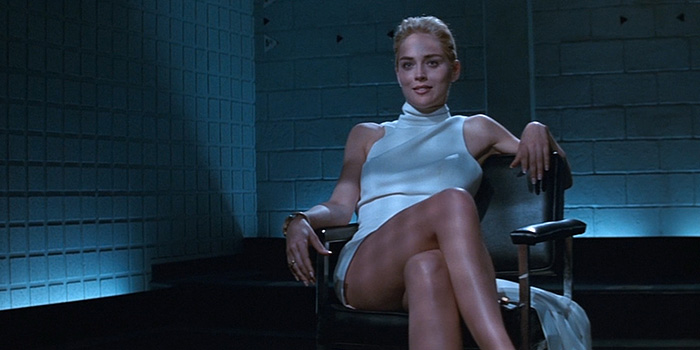
I should mention sneaking into Basic Instinct at the now-defunct Holiday 6 in 1992 as one of those great movie memories. My brother bought us tickets for an Alec Baldwin-Meg Ryan flick called Prelude to a Kiss, and we high-tailed it into BI. I was a lunch-table hero for a few minutes, at least, and I loved the idea of seeing something controversial, and not meant for my eyes.

Covering the Toronto International Film Festival each year results in some fantastic memories. This will be my 10th year at TIFF, and it’s been extraordinarily fun, and occasionally surreal. Having Megan Fox ask me about my son’s astrological sign and then chatting with Michael Shannon a few minutes later about how excited we both were to see Antichrist certainly ranks high on the absurd-memories list.

Lastly, seeing my first film review in The Buffalo News in 2005 was very special. I have my late UB professor Mark Shechner and Buffalo News critic and arts editor Jeff Simon to thank for making that happen, since Mark recommended me to Jeff as a possible critic. I’d grown up in a house that had the News delivered each day, so seeing my name in those pages—reviewing a film, no less—was a great honor, even if that film was a horror flop called Venom. My wife later had that review framed for me, and that’s one of the most meaningful gifts I’ve ever received.

Clearly, I have too many movie-related memories to limit it to just one …


How did you end up in Buffalo?

I was born here, and I’ve spent my entire life in Western New York. I graduated from UB with a degree in media study, and many of my friends went to work in film and media in California and elsewhere. But I can say with some certainty that I never really thought about leaving. I met my wife here, got married here, and we had our children here. Buffalo is our home, and it’s hard for me to imagine living elsewhere.


What do you want to see more of in Buffalo?

I love that a number of truly unique films are coming here thanks to CCC, Squeaky Wheel, Hallwalls, etc., since many of these would not have been available here in the past. It always makes me sad when something extraordinary completely skips Buffalo, so I’m thrilled to see things like Mommy and The Tribe make it to WNY, even if it’s for one night only. It’s also fun to see how many film series are now happening here. I write a monthly screenings column for Spree, and I’m continually impressed by what I find.

I do wish we had one more second-run theater. The Dipson McKinley cinema is comfortable and affordable, especially if you have kids. And you have wonderful, historic venues like the Palace in Hamburg and the Aurora in East Aurora. But I’d like to see one closer to the city, and perhaps another in the Northtowns.


What are your essential film books?

When I first truly embraced cinema in the early 90s, I was desperate to find real criticism, and even after I had internet access at home I was still mostly reliant on whatever books I could get my hands on. Chief among these was Roger Ebert’s annual Movie Home Companion. These were pretty much destroyed due to over-reading; I can’t stress enough how vital these were to teaching me about films and filmmakers. That’s where I first ran into names like Werner Herzog and Terry Zwigoff.

One of the key books for me in general is Easy Riders, Raging Bulls by Peter Biskind. I’ve probably read it four or five times in full, and I still enjoy jumping in at random points. It’s relentlessly readable, just like a few of my other favorites: Julie Salamon’s Bonfire of the Vanities chronicle, The Devil’s Candy: The Anatomy of a Hollywood Fiasco; Steven Bach’s Final Cut: Art, Money, and Ego in the Making of Heaven’s Gate, the Film That Sank United Artists; and Hit & Run: How Jon Peters and Peter Guber Took Sony for a Ride in Hollywood by Nancy Griffin and Kim Masters.

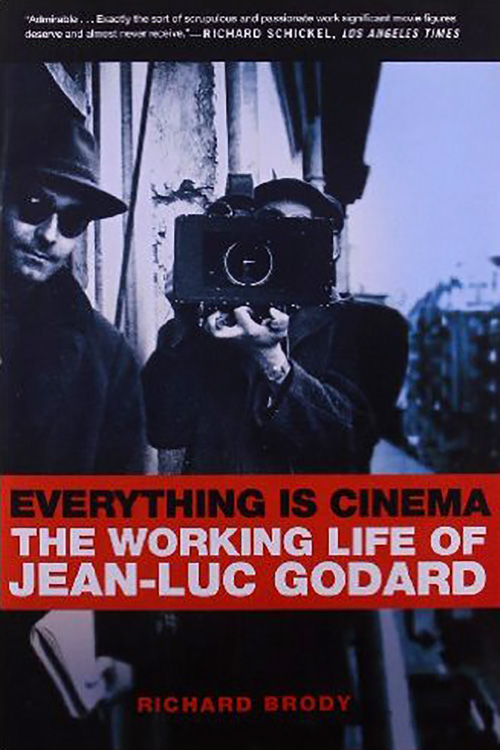
The “Directors on Directors” series was hugely important in my film education, and my favorite was and still is Cronenberg on Cronenberg. I had the 1992 edition, with Naked Lunch on the cover, and I was so thrilled after reading it and watching his work that I sent him a fan letter. I received an autographed picture from his office, and I’d like to think I was the only 12-year-old in Erie County with an autographed Cronenberg pic on his wall. I still enjoy paging through anything by David Thomson and Pauline Kael, and of course Hitchcock/Truffaut. Richard Brody’s Everything Is Cinema: The Working Life of Jean-Luc Godard is essential. And one of my recent favorites is Movie Freak, by Owen Gleiberman.

One book that’s very special to me is Kubrick, by the late Michael Herr. It includes one of the great passionate defenses of Eyes Wide Shut I’ve ever come across, and it’s downright inspiring to read. I don’t think anyone who writes about film could aspire to more than that.

TOP TEN FILMS

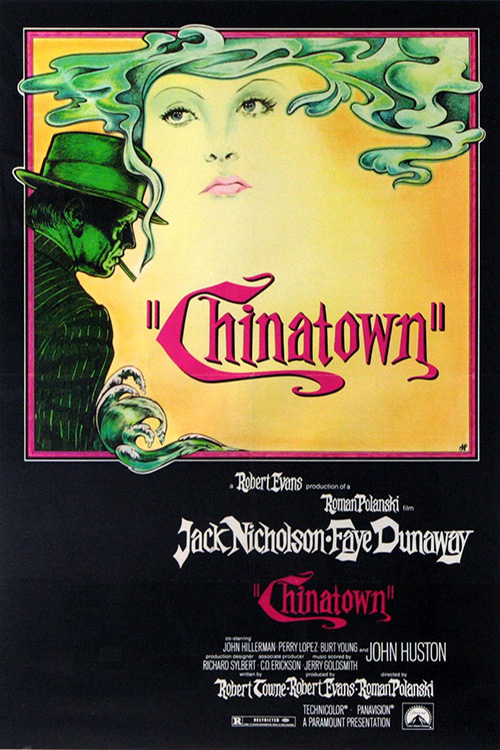
This is always a tricky question for me, since things rise and fall depending upon age and life experience. But my top four are set in stone: Chunking Express (1994, directed by Kar-Wai Wong), Eyes Wide Shut (1999, directed by Stanley Kubrick), Dead Ringers (1998, directed by David Cronenberg), and Goodfellas (1990, directed by Martin Scorsese). After that, things are always shifting … Today, let’s go with The Shining (1980, directed by Stanley Kubrick), Bottle Rocket (1996, directed by Wes Anderson), The Godfather Part II (1974, directed by Francis Ford Coppola), The Empire Strikes Back (1980, directed by Irvin Kershner), Chinatown (1974, directed by Roman Polanski), and Crimes and Misdemeanors (1989, directed by Woody Allen).

Next week, it might include TrainspottingBlade RunnerZodiacStar Wars: A New HopeBlack NarcissusBarry LyndonThe 400 BlowsAlienThe GodfatherRushmoreBlue VelvetRaiders of the Lost ArkBlood SimpleDriveEd WoodLost in TranslationSid and NancyCachéBreathlessThe King of ComedyBoogie NightsLove and Death, In the Mood for LoveMean StreetsLet the Right One InRedsZ Channel: A Magnificent ObsessionThe Naked Gun (oh yes), HeatThe Wages of FearDo the Right ThingInglourious BasterdsThe Lovers on the BridgeE.T. the Extra-TerrestrialTwin Peaks: Fire Walk With MeSmall ChangeThe Player, and, and, and …

Oh, if Road House or Point Break are on, I’m watching them. Make of that what you will.


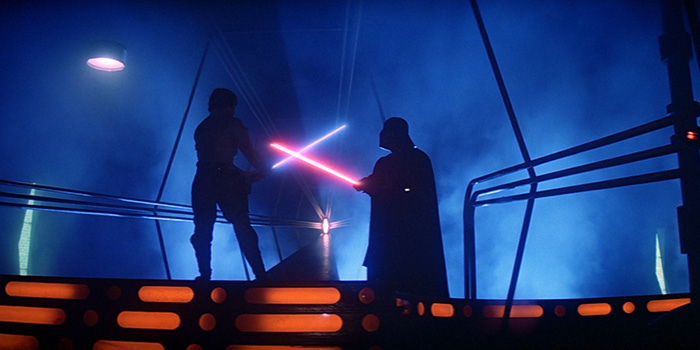
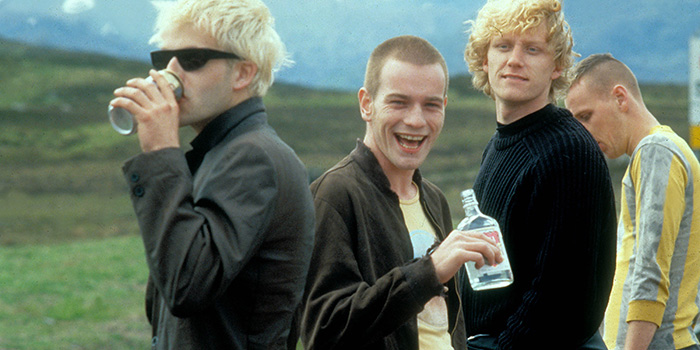
Film stills from left to right, top to bottom are Empire Strikes BackThe GodfatherPurple Noon, TrainspottingMonsters University, and Basic Instinct.

Dragon Inn – September 1st, 2016

Dragon Inn [1967]


Please join us for a special screening of King Hu’s Dragon Inn [Long men kezhan] [1967], newly restored in 4K by Janus Films.

  • Screening Date: Thursday, September 1st, 2016 | 7:00pm
  • Venue: Dipson Theatres Amherst
  • Specifications: 1967 / 111 minutes / Mandarin with subtitles / Color
  • Director(s): King Hu
  • Print: Supplied by Janus Films
  • Tickets: $9.50 general admission at the door

Event Sponsors:

Venue Information:

3500 Main Street, Buffalo, NY 14226


Synopsis

Courtesy of Janus Films:

The Chinese wuxia (martial arts) picture was never the same after King Hu’s legendary Dragon Inn. During the Ming dynasty, the emperor’s minister of defense is framed by a powerful court eunuch and then executed; his children are pursued by secret police. In the ensuing chase, a mysterious group of strangers begin to gather at the remote Dragon Gate Inn, where paths (and swords) will cross. This thrilling milestone of film history returns to the screen in a new, beautifully restored 4K digital transfer, created from the original camera negative.

Trivia:

  • During the Ming dynasty, there were many eunuchs in the emperor’s court. They were considered reliable officials and nonthreatening to the royal bloodlines, as they could not marry and start dynasties of their own. They often gained large swaths of political and military power as a result.
  • Director King Hu was a talented calligrapher, and he painted Dragon Inn’s opening credits himself.
  • Many filmmakers have paid tribute, directly or indirectly, to Dragon Inn. In Tsai Ming-liang’s Goodbye, Dragon Inn, Hu’s film is playing as the last feature to ever screen at the historic Taipei Cinema. Dragon Inn actors Shi Jun and Miao Tien both appear in the audience. The camera work, choreography, and special effects of Dragon Inn have had a clear aesthetic influence on such modern-day entries in the martial arts genre as Ang Lee’s Crouching Tiger, Hidden Dragon and Zhang Yimou’s Hero and House of Flying Daggers. Quentin Tarantino’s The Hateful Eight has many plot similarities with Dragon Inn.
  • Bai Ying, who memorably plays the eunuch in the film, would go on to play the eunuch in Teddy Yip’s entertaining Shaw Brothers film The Eunuch.
  • Hu encouraged his martial arts choreographers to draw from the alternately fluid and rhythmic movements of Chinese opera. Rather than resorting to fast or slow motion, footage printed backward, animation, or other early special-effects techniques, the filmmaker relied as much as possible on the actual skills of his performers and on the magic of editing.

Restoration:

King Hu’s Dragon Inn was restored in 4K by the Chinese Taipei Film Archive and L’Immagine Ritrovata from the 35 mm original camera negative, which, fortunately, was still in relatively good condition. The primary focus of the restoration was correcting the main issues affecting the negative: flicker, dirt, scratches, splice marks, and a generally unstable image. As there was no vintage print available to be used as a color reference, notes on color timing held by the Film Archive proved to be key. The monaural soundtrack was likewise restored from the original sound negative, with distortion and cross modulation corrected using digital tools.

Tidbits:

  • Golden Horse Film Festival – 1968 – Winner: Best Screenplay & 2nd place: Best Feature Film

Shaw Bros to Dragon Inn

Though he would become the most influential director of wuxia movies in history, King Hu, born Hu Jinquan in Beijing, came to movies accidentally. An aficionado of Peking opera, comic books, and martial arts novels, Hu first became involved in the world of filmmaking when an acquaintance recommended him for a set decorating job at Hong Kong’s Great Wall Studio in the early fifties. Soon enough, Hu found himself acting in films as well. In 1958, he joined Shaw Brothers, Hong Kong’s premier martial arts film studio; founded in 1924, the studio had by this point become an action film empire, knocking out one fighting film after another with regularity and ease.

Though Hu started out as an actor at Shaw Brothers, his contract gave him the option of becoming a director. After cutting his teeth as an assistant director on such classics as Li Han-hsiang’s musical romance The Love Eterne (1963), he made his directorial debut in 1965 with the patriotic, anti-Japanese war film Sons of the Good Earth, in which he also starred. It was his third directorial effort, Come Drink with Me (1966), however, that proved revolutionary. Not only was this Hu’s first wuxia film, it was also a newly propulsive and realistically violent example of the genre, and it so captivated audiences that it revitalized the form, giving the generally artificial-looking, candy-colored Shaw Brothers productions an aesthetic shot in the arm.

Hu’s style, pioneered in Come Drink with Me, wasn’t just surface grittiness. He imbued his action with a compositional depth and maturity; focused intently on the physicality of his performers, rather than relying on special effects; used the camera as a balletic partner to the actors; sculpted his fight scenes keenly through editing rather than letting them play out in single takes; cast women in stronger, more central roles than the studio had before; and conveyed a palpable sense of Buddhist precepts.

For all these reasons, Come Drink with Me was a revelatory wuxia film, and the foundational work for Hu’s subsequent masterpieces Dragon Inn (1967) and A Touch of Zen (1971). But Shaw Brothers wasn’t impressed with this new brand of wuxia, and his relationship with studio head Run Run Shaw became frayed. With his newfound success and artistic confidence, however, Hu could write his own ticket, and after Come Drink with Me, the director left Shaw Brothers to make his own films independently in Taiwan, which had a smaller, more flexible and open-minded film industry.

The innovative Dragon Inn, produced with Sha Rongfeng for their short-lived partnership in the Union Film Company, set the template for nearly all wuxia films to come. A Ming dynasty—era tale of political exile and violent intrigue set in wide-open Taiwan exteriors, the film, with its aesthetic control and spiritual core, was evidence that the genre had broken decisively from its pulp past.


Wuxia

Although in the West most often applied to film, the term wuxia—literally “martial [wu] hero [xia]”—in fact refers to a genre of Chinese fiction that is represented in every medium, from literature to opera to, of course, movies. Dating back to 300 BCE in its protean form, the wuxia narrative traditionally follows a hero from the lower class without official affiliation who pursues righteousness and/or revenge while adhering to a code of chivalrous behavior. Brought to mass popularity in the early part of the twentieth century via a series of post-Confucian novels, wuxia soon spread to film with the appearance of Burning of the Red Lotus Temple, a now lost serial adapted from the novel The Tale of the Extraordinary Swordsman that was released between 1928 and 1931. Banned by the government in the thirties due to their subversive and supernatural elements, wuxia films returned to the screen in the fifties, taking the traditional narrative form while also borrowing elements—such as careful choreography—from Chinese opera. Following a strict formula, wuxia films—though always period pieces—can be said to have become fully modern in the 1960s, with the formation of the Shaw Brothers studio and the advanced direction of filmmakers such as King Hu. The commercial success of Hu’s Come Drink with Me (produced for Shaw) and Dragon Inn (produced independently) kicked off a wave of wuxia titles, which were frequently exported to the U.S. as reedited, dubbed action films during the martial arts craze of the first half of the seventies. Though the genre wavered in popularity in the succeeding decades, it returned to international prominence in 2000 with Ang Lee’s Crouching Tiger, Hidden Dragon, which is heavily indebted to Hu’s classics of the sixties and seventies.


Director Bio

“The audience is the camera. I don’t want the audience to sit and watch, I want it to move.”

Courtesy of Janus Films:

Born in Beijing in 1932, King Hu moved to Hong Kong at the age of eighteen and started work as an illustrator for film advertisements. In 1954, he made his acting debut in the film Humiliation for Sale, and in 1958, through director Li Han-hsiang, he joined the Shaw Brothers studio as an actor, screenwriter, and assistant director. In 1963, Hu was first assistant director for Li on the film The Love Eterne, and the following year he made his directorial debut with The Story of Sue San. In 1966, Hu released his first wuxia film, Come Drink with Me, which was a major factor in the rise of the genre.

Dragon Inn (1967) was a blockbuster, setting box-office records in Taiwan, Korea, and the Philippines, and proved to have a broad and lasting influence. Its follow-up would not hit screens until 1971, after three years of filming. A Touch of Zen took the Technical Grand Prize award at the Cannes Film Festival in 1975, propelling Hu onto the world stage, and its bamboo forest duel became a classic scene and an indelible contribution to cinema.

Hu’s 1981 film The Juvenizer—entirely self-funded and self-shot—was his first comedy, and his only work set in the present. After The Wheel of Life (1983), Hu stepped out of the limelight until 1990’s The Swordsman, for which he made a comeback at the request of the younger wuxia director Tsui Hark. Hu was involved in the costuming, styling, and set design for the film, including setting up a massive set in Xitou, Taiwan. In 1992, he received a lifetime achievement award from the Hong Kong Film Directors’ Guild. The following year saw the release of what turned out to be his final film, Painted Skin. In 1997, while about to begin work on a film about the Chinese immigrant workers who built the transcontinental railroads of America, Hu died while undergoing heart surgery.

Filmography (selected):

  • 《畫皮之陰陽法王》 Painted Skin (1993)
  • 《笑傲江湖》 The Swordsman (1990)
  • 《大輪迴》 The Wheel of Life (1983)
  • 《天下第一》 All the King’s Men (1983)
  • 《終身大事》 The Juvenizer (1981)
  • 《山中傳奇》 Legend of the Mountain (1979)
  • 《空山靈雨》 Raining in the Mountain (1979)
  • 《忠烈圖》 The Valiant Ones (1975)
  • 《迎春閣之風波》 The Fate of Lee Khan (1973)
  • 《俠女》 A Touch of Zen (1971)
  • 《喜怒哀樂》第二段『怒》Anger (1970) (part of the omnibus film Four Moods)
  • 《龍門客棧》 Dragon Inn (1967)
  • 《大醉俠》 Come Drink with Me (1966)
  • 《大地兒女》 Sons of the Good Earth (1965)
  • 《玉堂春》 The Story of Sue San (1964)

Links

Here is a curated selection of links shared on our Facebook page for additional insight/information:

  • 7/30/16 – “All Hail King Hu” by Straw Cats Theater
  • 8/27/16 – Did you know Tsai Ming-liang’s Goodbye, Dragon Inn centers around King Hu’s Dragon Inn? – link
  • 8/28/16 – “Considered by many to be the architect of wuxia cinema, King Hu was to martial arts was John Ford was to the western.” James Marsh, Screen Anarchylink
  • 9/1/16 – “Warning: There’s a very real danger that after you watch the dazzling 4K restoration of this 1967 Taiwanese martial-arts classic, you’ll never again be able to champion scratchy grindhouse prints with cheesy dubs.” Luke Y. Thompson, Village Voicelink

How to Let Go of the World: and Love All the Things Climate Can’t Change – August 24th, 2016

How to Let Go of the World: and Love All the Things Climate Can’t Change [2016]


Please join us for a special screening of Josh Fox’s Sundance favorite documentary How to Let Go of the World: and Love All the Things Climate Can’t Change [2016].

  • Screening Date: Wednesday, August 24th, 2016 | 8:00pm
  • Venue: Burning Books
  • Specifications: 2016 / 125 minutes / English / Color
  • Director(s): Josh Fox
  • Print: Supplied by ro*co films
  • Tickets: Free and Open to the Public
  • Extras: Stop in early for FREE Breadhive baked goods while supplies last!
  • Deal: Bring your ticket stubs and join us at The Black Sheep after the show for 2 for 1 drink specials

Event Sponsors:

Venue Information:

420 Connecticut St, Buffalo, NY 14213


Synopsis

Courtesy of film’s website:

In How to Let Go of the World and Love All The Things Climate Can’t Change, Oscar Nominated director Josh Fox (Gasland) continues in his deeply personal style, investigating climate change – the greatest threat our world has ever known. Traveling to 12 countries on 6 continents, the film acknowledges that it may be too late to stop some of the worst consequences and asks, what is it that climate change can’t destroy? What is so deep within us that no calamity can take it away?

Tidbits:

  • Sundance Film Festival – 2016

Director Bio

Courtesy of Sundance:

Josh Fox is best known as the writer/director of Gasland and Gasland Part II. Gasland was nominated for the 2011 Academy Award for Best Documentary Feature, and won the 2011 Emmy Award for Outstanding Directing for Nonfiction Programming and the 2010 Sundance Film Festival Special Jury Prize (Documentary). Fox is the recipient of the 2010 LennonOno Grant for Peace and has toured to over 350 cities worldwide in support of the global anti-fracking movement.

Filmography:

  • The Truth Has Changed (2021)
  • Awake: A Dream from Standing Rock (2017)
  • How to Let Go of the World: and Love All the Things Climate Can’t Change (2016)
  • DIVEST! the Climate Movement on Tour (2016)
  • Gasland Part II (2013)
  • Gasland (2010)
  • Memorial Day (2008)

Links

Here is a curated selection of links shared on our Facebook page for additional insight/information:

  • 6/24/16 – Too many inspiring nuggets of wisdom in this interview with Josh Fox to pick 1. A must-read (courtesy of TakePart) – link
  • 6/27/16 – “It’s more of an action adventure movie than your typical climate change film” Josh Fox live on the Brian Lehrer Show – link
  • 7/29/16 – “A one-word assessment of this documentary: Tough. As in, tough to watch. Tough to consider. Tough to ignore.” Ken Jaworowski, The New York Timeslink
  • 8/9/16 – “‘We are not drowning, we are fighting!’ This was where the protest tipped out of the symbolic and into something actual. This was the fight. This was how you stop a wave from crashing and destroying your home, pulling your family out to sea. This was how you do it.” Josh Fox, Democracy Now!link
  • 8/25/16 – Once you’ve seen the film, the director himself has some suggestions as to what you can do. – link

Jared Mobarak

Buffalo is full of people helping to cultivate cinema and we want to celebrate those involved. The Cultivators is a new monthly feature in which we highlight individuals who are integral to the presentation, promotion and production of film here in the queen city.

Photo by Rich Wall.

THE CULTIVATORS #002

JARED MOBARAK

Graphic Designer | Art Director at Cultivate Cinema Circle | Film Critic at The Film Stage and BuffaloVibe
Website: jaredmobarak.com | Twitter: @jaredmobarak

QUESTIONS & ANSWERS

What got you interested in movies?

I’ve been a movie fan ever since I was a kid. My family would have movie nights and go to Blockbuster weekly when not attending the local multiplex; our collection of VHS tapes ever-growing with HBO recordings and egg-shell Disney titles for my little sister until the advent of DVD took over.

It wasn’t until after I graduated high school in 2000 that I really started delving into cinema beyond the studio blockbuster system. I had started consciously buying letterboxed videocassettes from the smallest of sections at the back of MediaPlay and purchased my first DVD player early on around 1999 (my parents held on to VHS for another year or two). I began going to Dipson Theatres Amherst to see the likes of Darren Aronofsky’s Requiem for a Dream and Christopher Nolan’s Memento after reading M. Faust’s reviews in (at the time) Artvoice.

Then our family friend introduced me to David Lynch. He told me to seek out Lost Highway and then Blue Velvet. From there he had me go to Dune and Eraserhead. I fell in love with Lynch’s surrealism and wild ideas. That’s when I finally understood there was more to cinema than pure entertainment. This was literally an art form to admire.


What is your favorite movie related memory?

I’m not sure I could come up with a “favorite” memory, but I do have many that come to mind. Here are three:

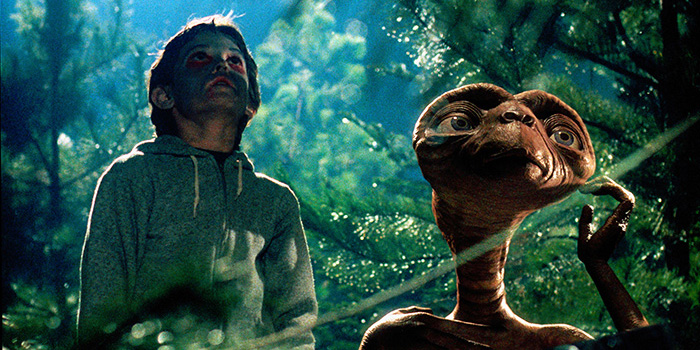
My earliest is seeing E.T. the Extra-Terrestrial at a drive-in in Florida (it must have been during the 1985 re-release or later since I was born in Buffalo in 1982, the year it bowed, and obviously wouldn’t have remembered that). The memory has a dream-like quality of brief image flashes and nothing else, but I’m pretty certain it actually happened.

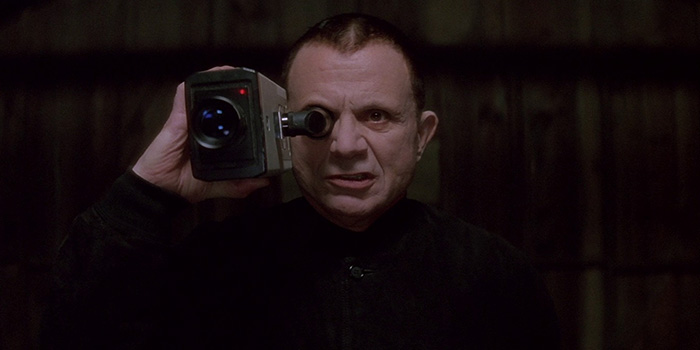
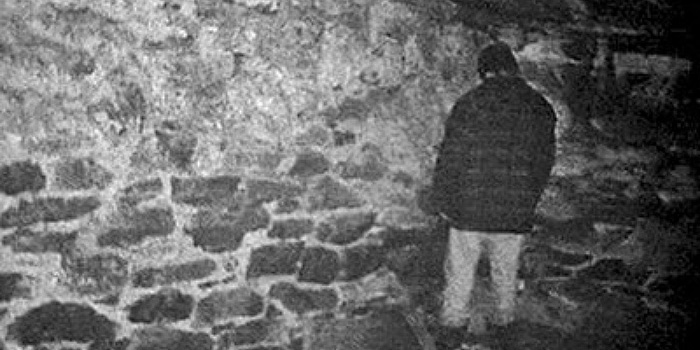
The first time I ever went to Dipson Amherst was for The Blair Witch Project in 1999. I had been following the faux history of that tape online and in the papers—my excitement level at a fever pitch. My older sister and I brought my cousin who was visiting from Pennsylvania with us and I remember enjoying its tense atmosphere immensely.

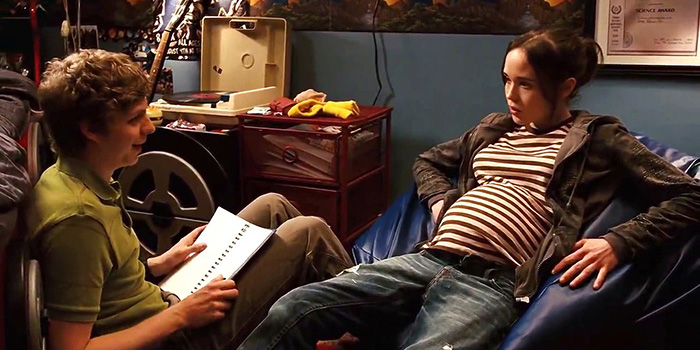
And I’ll never forget my first screening at the Toronto International Film Festival. Friend and fellow Buffalo-based critic Christopher Schobert and I walked into the box office with nothing but vouchers and a desire to see two or three movies a day for the weekend. The next available screening was Juno and we both agreed to liking Jason Reitman’s Thank You For Smoking as well as Ellen Page’s turn in Hard Candy. So we said, “Yes.” Diablo Cody was in attendance wearing a Superman tee and she and Reitman came out after for a lengthy Q&A. We’ve gone back to TIFF every year since.


How did you end up in Buffalo?

I’m a born and raised Buffalonian save a five-plus year stint between the ages of three and nine in Ft. Lauderdale. I went to college for graphic design at UB and have been lucky enough to stay local for work ever since.


What do you want to see more of in Buffalo?

I remember reading an article years ago that someone wanted to buy the old Memorial Auditorium for a dollar and turn it into studio space to bring some of the Hollywood money siphoning off to Toronto our way. It obviously didn’t happen.

Interestingly enough, however, once that site was ripped down to help bolster the burgeoning Canalside district and shine a light on the area’s rebirth, film productions came anyway. It’s been great to see stuff like Teenage Mutant Ninja Turtles: Out of the ShadowsMarshall, and even indie fare like Emelie coming here to shoot.

I’d love to see more of this in the future and think that it will only help expose the community to the cinema and reinvigorate a drive to go to theaters like North Park and Dipson more. We’re trying to do that ourselves with Cultivate Cinema Circle bringing films the big cities like New York and Los Angeles are getting—stuff a Regal Cinemas wouldn’t attempt here. Building that audience and opening the region up to cinema beyond mainstream fare can put Buffalo on the map as a movie market destination.


What are your essential film books?

I honestly don’t read many books on cinema. I greatly enjoyed Mark Harris’ Pictures at a Revolution: Five Movies and the Birth of the New Hollywood and leaf through David Thomson’s The New Biographical Dictionary of Film every once in awhile, but other than those I generally stick to fiction.

I do remembering thinking Theodore Roszak’s novel Flicker was fantastic on that front. It centers on a UCLA student who falls down the well of classic cinema and onto the path of a mysterious German B-movie auteur named Max Castle. Darren Aronofsky has long been attached to possibly direct an adaptation.

TOP TEN FILMS
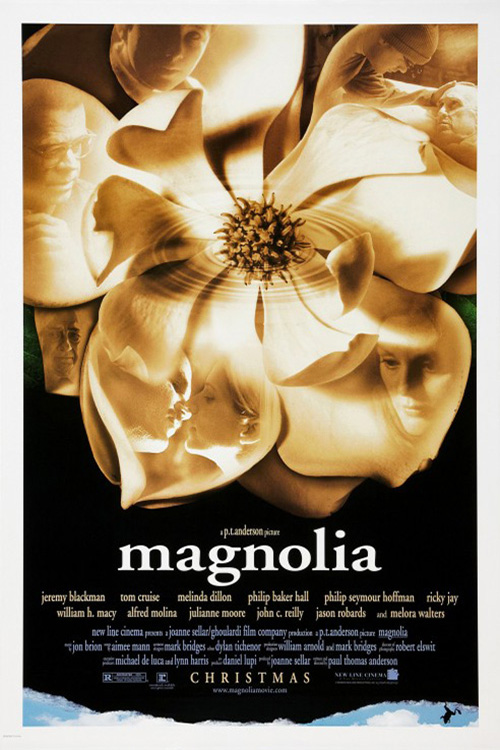
  1. Magnolia [1999], directed by Paul Thomas Anderson
  2. 2001: A Space Odyssey [1968], directed by Stanley Kubrick
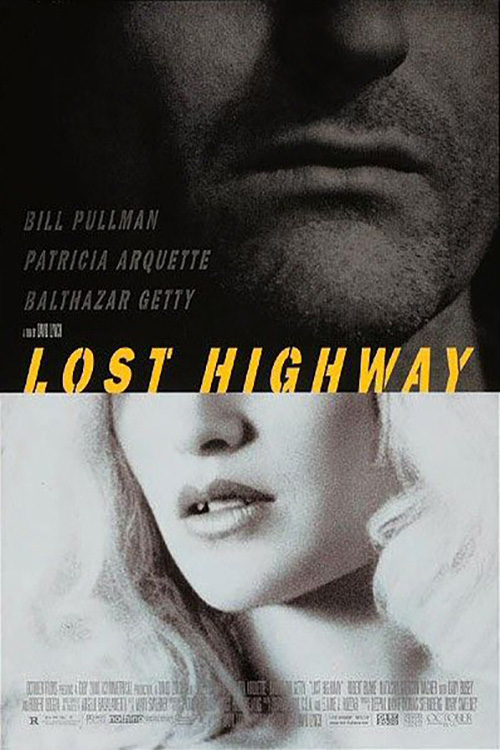
  3. Lost Highway [1997], directed by David Lynch
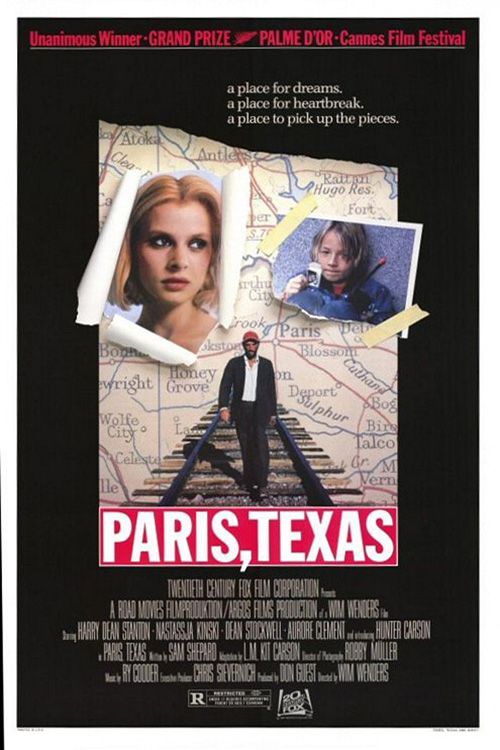
  4. Paris, Texas [1984], directed by Wim Wenders
  5. 8 1/2 [1963], directed by Federico Fellini
  6. Eyes Wide Shut [1999], directed by Stanley Kubrick
  7. It’s a Wonderful Life [1946], directed by Frank Capra
  8. Days of Heaven [1978], directed by Terrence Malick
  9. Pulp Fiction [1994], directed by Quentin Tarantino
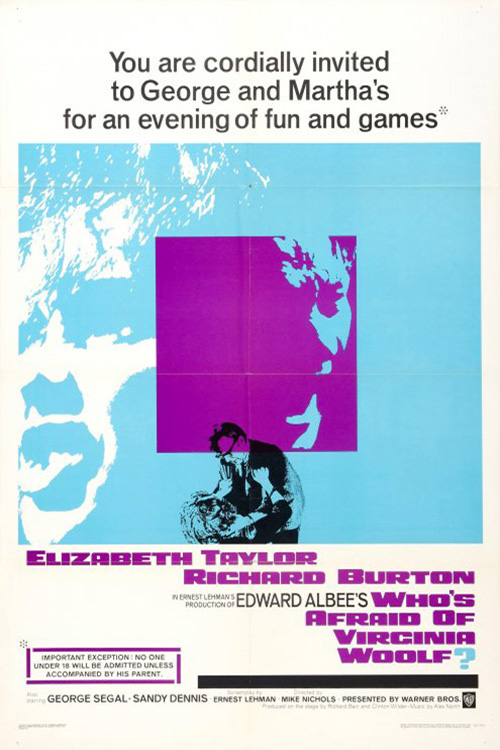
  10. Who’s Afraid of Virginia Woolf? [1966], directed by Mike Nichols

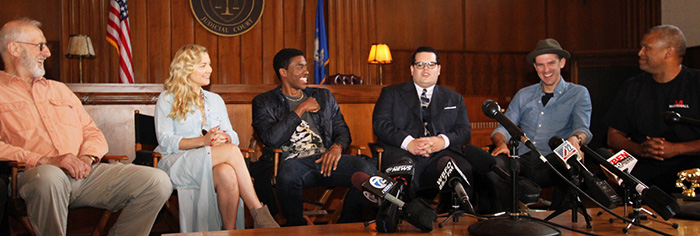
Film stills from left to right, top to bottom are Requiem for a DreamMementoLost Highway, E.T.The Blair Witch ProjectJuno, and the cast of Marshall on set.

Jordan M. Smith

Buffalo is full of people helping to cultivate cinema and we want to celebrate those involved. The Cultivators is a new monthly feature in which we highlight individuals who are integral to the presentation, promotion and production of film here in the queen city.

Photo by Sarah Jane Barry.

THE CULTIVATORS #001

JORDAN M. SMITH

Director at Cultivate Cinema Circle | Film Critic at IONCINEMAInfluence Film Club, and Stranger Than Fiction | Social Media Coordinator for DOC NYC | Librarian at Buffalo and Erie County Public Library System
Twitter: @Rectangular_Eye

QUESTIONS & ANSWERS

What got you interested in movies?

I grew up in Salamanca, NY, a small town in the southern tier where there was a two screen theater that I hazily remember catching mainstream blockbusters like Titanic and Liar Liar at before it closed and was converted into a section of what is now an antique mall. The only other big screen option was to drive 20 miles to the nearest multiplex. Thankfully, we lived three doors down from a Movie World rental shop. Anytime I found myself looking for something to do, I’d wander over and scan the shelves for something that looked out of the ordinary or had a cover plastered in festival leaves. I can’t tell you how many times I rented Luhrmann’s Romeo + Juliet, Aronofsky’s Requiem For A Dream and Miyazaki’s Princess Mononoke before I bought my own copies.

Growing up I was always swimming in music—playing in bands, DJing events, releasing LPs of bands I loved—so it wasn’t until grad school that I really fell hard for cinema. I found myself watching at least a single film each day, sometimes more, and found that I needed to find a way to make mental use of this sedentary activity. So I started writing down my thoughts as a way to process and deepen the experience. It’s only grown from there.


What is your favorite movie related memory?

I could list so many, but I’ll give two.

The first time I saw a film in a theater by myself is not necessarily my favorite, but certainly one of the most memorable. After I dropped my wife (then girlfriend) off at the airport for her first trip abroad, I went to see No Country For Old Men, which was not playing anywhere near where I lived at the time. The only other people in the theater were three older couples. I was devastated by the film and was completely weirded out by the whole experience. I drove the long ride home in a daze only to arrive to surrealistically find my father throwing my brother out of the house, literally standing on the roof throwing his belongings into the front lawn.

Second: Convincing my very disgruntled wife (still, then girlfriend) to spend one of our first trips to Toronto in the dark of the Toronto International Film Festival’s Lightbox to see Olivier Assayas’ six-hour terrorist epic Carlos only to have her admit that it was a great film which she highly enjoyed. A couple years later, I had the opportunity to sit down with Assayas to discuss his new film Clouds of Sils Maria, just after having interviewed his wife Mia Hansen-Løve about her own highly personal film Eden, about her DJ brother. Later that day, we all danced (my wife included) in the shut down streets of Toronto as her brother spun mid-90s French EDM (not normally my jam) in celebration of the film’s release.


How did you end up in Buffalo?

Back at the start of 2009, a good childhood friend and I packed up an overstuffed moving truck full of both of our belongings and jammed it into a beautiful little restored apartment on Chenango along with an acquaintance we’d met at college in Fredonia. I’d just been accepted into UB’s Library Science program with the intention of becoming a public librarian (which I have since) and was lucky enough to get a job working at the Lexington Co-op as well as a gig writing about film for IONCINEMA. Seven years later my wife and I are still here and have absolutely no intention of leaving any time soon!


What do you want to see more of in Buffalo?

Movies: preferably downtown; preferably on 35mm; preferably retro, world, and indie cinema. Where did all the art houses go? Where did all the changeover 35mm projectors go? Who wants to invest in bringing these back to Buffalo? Let’s make this a reality.


What are your essential film books?

I’m a slow reader, so my to-read pile is towering much, much higher than my read pile. That said, reading about movies is an essential facet of my overall cinema experience. What better way to unpack the films you love, learn about the historical context of when the films were made, and discover new films to watch and read about at the same time?

My essential picks thus far:

  • Theory: Adrian Martin’s Mise en Scène and Film Style
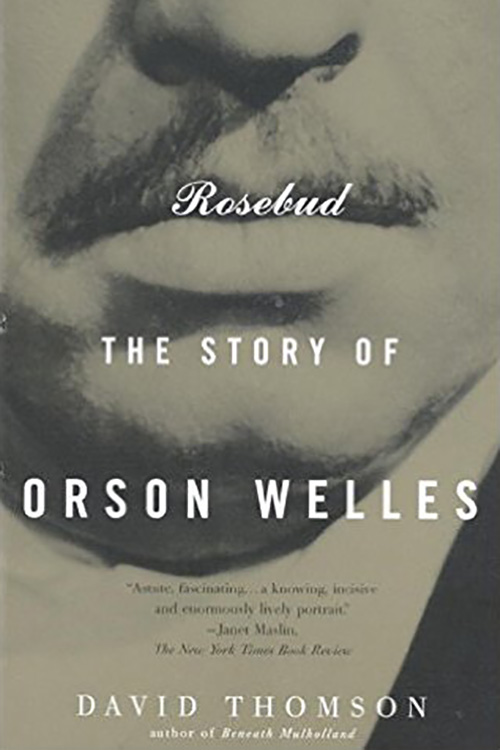
  • Biography: David Thomson’s Rosebud: The Story of Orson Welles
  • Memoir: Roger Ebert’s Life Itself
  • Pure Cinephilic Gossipy Fun: Peter Biskind’s Easy Riders, Raging Bulls

Plus, subscriptions to Sight & SoundCinema Scope and Film Comment are a must.

TOP TEN FILMS
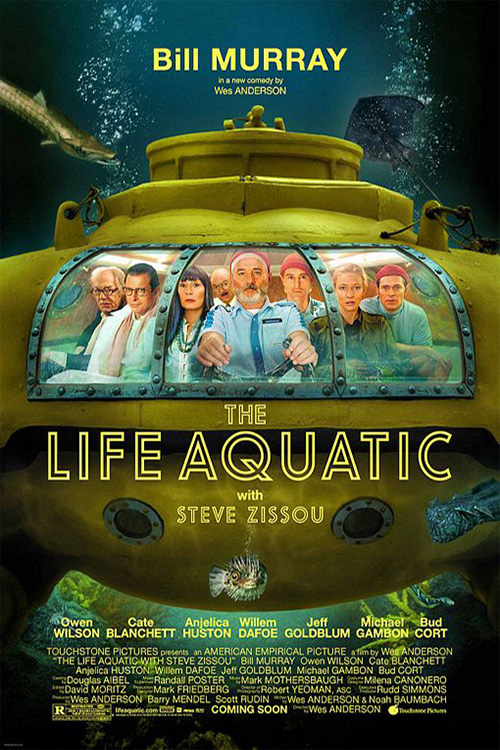
  1. The Life Aquatic with Steve Zissou [2004], directed by Wes Anderson
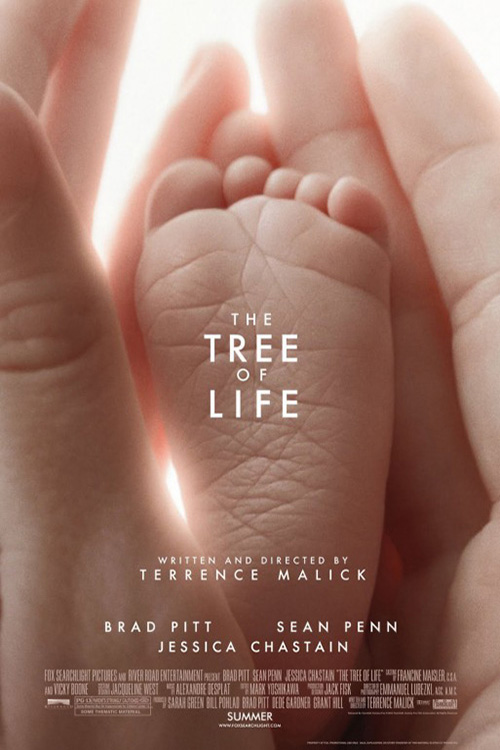
  2. The Tree of Life [2011], directed by Terrence Malick
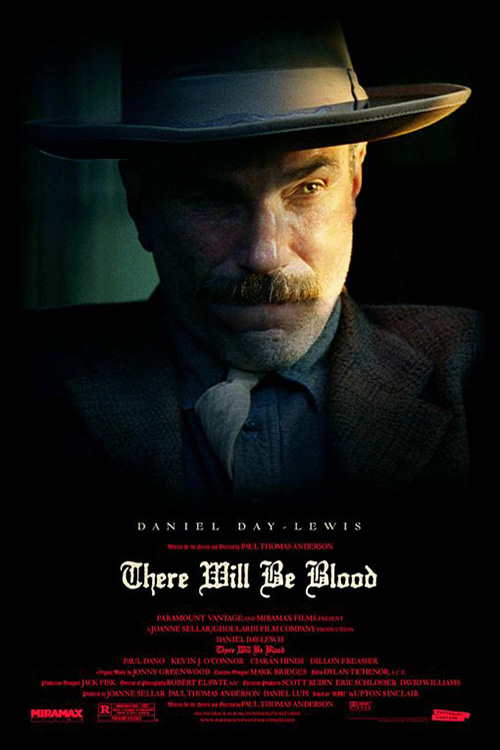
  3. There Will Be Blood [2007], directed by Paul Thomas Anderson
  4. The Devil and Daniel Johnston [2006], directed by Jeff Feuerzeig
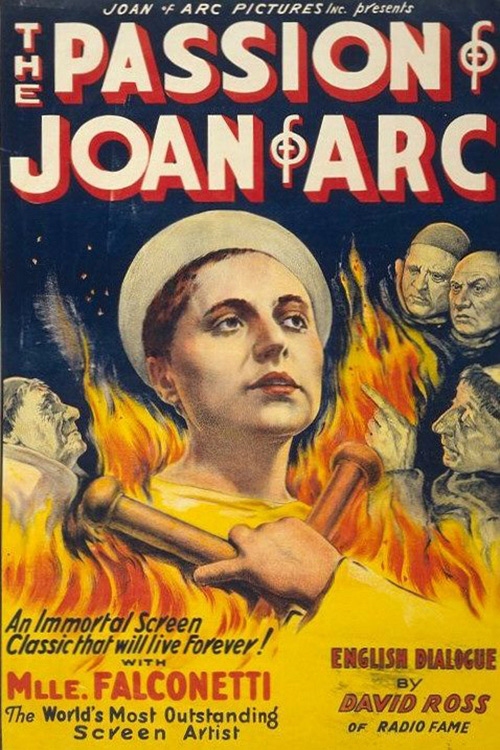
  5. The Passion of Joan of Arc [1928], directed by Carl Theodor Dreyer
  6. The Shining [1980], directed by Stanley Kubrick
  7. Sans Soleil [1983], directed by Chris Marker
  8. Princess Mononoke [1997], directed by Hayao Miyazaki
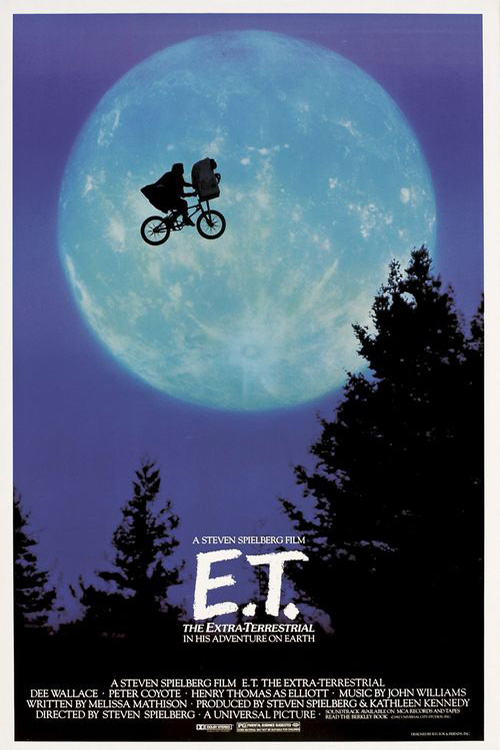
  9. E.T. the Extra-Terrestrial [1982], directed by Steven Spielberg
  10. The Lovers on the Bridge [1991], directed by Leos Carax

Film stills from left to right, top to bottom are Romeo + JulietPrincess Mononoke, TitanicNo Country for Old Men, and Carlos.

A Touch of Zen – August 4th, 2016

A Touch of Zen [1971]


Please join us for a special screening of King Hu’s A Touch of Zen [Xia nü] [1971], newly restored in 4K by Janus Films.

  • Screening Date: Thursday, August 4th, 2016 | 7:00pm
  • Venue: Dipson Theatres Amherst
  • Specifications: 1971 / 200 minutes / Mandarin with subtitles / Color
  • Director(s): King Hu
  • Print: Supplied by Janus Films
  • Tickets: $9.50 general admission at the door

Event Sponsors:
Venue Information:
3500 Main Street, Buffalo, NY 14226


Synopsis
Courtesy of Janus Films:

In director King Hu’s grandest work, the noblewoman Yang (Hsu Feng), a fugitive hiding in a small village, must escape into the wilderness with a shy scholar and two aides. There, the quartet face a massive group of fighters, and are joined by a band of Buddhist monks who are surprisingly skilled in the art of battle. Janus Films is proud to present the original, uncut version of this classic in a sparkling new 4K restoration.

Trivia:

  • Production of A Touch of Zen began in 1967 but was not completed until 1969. Against director King Hu’s wishes, producers demanded that the film be exhibited in two parts (in 1970 and 1971) in Taiwan, where it languished at the box office. The famous bamboo-forest fight climax of the first part was reprised at the beginning of the second. Without Hu, the producers then recut the film into a two-hour version and rereleased it to theaters, where it performed no better. In 1973, Hu regained control of the film and recut it according to his original intentions: as a single three-hour film. That version premiered at the Cannes Film Festival in 1975.
  • Hu stated that the Ming Dynasty was a period “when Western influences first reached China,” and that he conceived his films as critiques of the unjustified killings depicted in such Western movies as the James Bond franchise, where the hero indiscriminately guns down faceless enemies.
  • A Touch of Zen was the first Chinese film to win an award at Cannes, where it took home the Technical Grand Prize in 1975.
  • Unusual for the wuxia genre, the first fight sequence does not occur until almost an hour into the film.
  • A Touch of Zen was inspired by “The Magnanimous Girl,” from Pu Songling’s ghost-story anthology Strange Stories from a Chinese Studio. The anthology consists of roughly 500 stories and has inspired many films, including Li Han-hsiang’s The Enchanting Shadow, Tsui Hark’s A Chinese Ghost Story, and Gordon Chan’s Painted Skin.
  • Hu had a full village constructed for the opening half of the film, and then left it alone for nine months to give it a weathered look.

Restoration:

King Hu’s A Touch of Zen was restored in 4K by the Taiwan Film Institute and L’Immagine Ritrovata from the 35 mm original camera negative. The negative was generally in good preservation condition, with very light shrinkage. The most serious problems were several tears that needed to be repaired. The film was not particularly warped or unstable, but it was covered in stains and colored spots of various sizes, and full of splices, so the lab used a dust removal filter and went frame by frame to eliminate unwanted artifacts. The removal of splice marks was a heavy task: a movie with fast editing, A Touch of Zen is full of close splices. This work was done by manually reconstructing the damaged parts of frames with interpolation tools, adjusting for luminance and grain. During the color-correction process, the 4K resolution allowed the lab to achieve a deep definition and richness. As there was no vintage positive element available to use as a reference for color restoration, a 1992 print preserved at the Taiwan Film Institute was consulted. Research results on Dragon Inn provided by the TFI and the lab’s previous restoration experience on that film also helped the lab execute the color correction of A Touch of Zen, which was shot by the same director and film crew.

Tidbits:

  • Cannes Film Festival – 1975 – Winner: Technical Grand Prize
  • New York Film Festival – 1976
  • Toronto International Film Festival – 1977

A Touch of Freedom

After a long stint at Hong Kong’s historic Shaw Brothers studio, which specialized in martial arts pictures, King Hu had decided to strike out on his own. His 1966 Shaw production Come Drink with Me had been an enormous commercial and artistic triumph for him but had proved too radical—in the realistic violence of its carefully orchestrated action—for the studio. So he had left Hong Kong for Taiwan, where he made his first major independent success, 1967’s Dragon Inn, with producer Sha Rongfeng, for their short-lived studio the Union Film Company.

Hu’s next film would prove even more ambitious. A Touch of Zen (1971) is the kind of gargantuan production that only an artist high on newfound freedoms would dream of making. A three-hour production with a richly woven plot, structural complexity, and dazzling visual experimentation, A Touch of Zen is the director’s grandest vision.

Starting as a story about a fugitive noblewoman (played by Hsu Feng, in one of the strong female roles typical of the director) hiding out in a village after she and her family were marked for extermination by the corrupt Ming dynasty government, the film builds into a spiritual action epic about the uneasy coexistence of violence and Buddhist principles. With its mystical beauty, exquisite photography, and moving, ambiguous depiction of faith, A Touch of Zen is a work of metaphysical genius, Hu’s clearest statement of faith and ultimate visual expression of the seemingly unfilmable concepts of Zen Buddhism. It is especially renowned for its radically disjunctive editing and dexterous camera movements during fight scenes. Here more than ever, one can feel the influence of the Chinese opera on Hu’s action cinema. It wholly reflects his ideas about the relationship between film and viewer; as he once said, “The audience is the camera. I don’t want the audience to sit and watch, I want it to move.”

With its three-hour-plus running time, A Touch of Zen offers many characters and plot strands, and it was, in fact, originally released in two parts. The first half, which climaxes with the most famous action sequence of Hu’s career—a gravity-defying, startlingly edited battle set in a bamboo forest—was released in 1970, while the second half was released in 1971. The two parts were subsequently combined into one title for international audiences, as Hu originally intended, and it has mostly been presented this way ever since.

A Touch of Zen was the first wuxia film to make a mark on the Western art-cinema world, screening to acclaim at the 1975 Cannes Film Festival and winning the Technical Grand Prize (awarded for “superior technique”) there. Just as Pather Panchali had brought Indian cinema to an international audience at Cannes twenty years earlier, A Touch of Zen was the breakthrough for a particular strand of Eastern cinema, convincing an audience that had previously been skeptical, or at least disinterested, of the artistic value and singular beauty of the best martial arts moviemaking.

Despite the film’s success at Cannes, however, it was an expensive disappointment domestically, which made it difficult for Hu to raise money for future projects—certainly for anything on such a scale. After 1975, Hu would focus on Buddhist- or supernatural-themed dramas. Though he continued to work in Taiwan, the movies being made by the ascendant daring filmmakers of the Taiwanese New Wave marked his work as dated. Nevertheless, Hu, who died in 1997 after complications following heart surgery, remains among the most influential filmmakers of all time, inspiring directors from Wong Kar-wai and Zhang Yimou to Tsui Hark and Tsai Ming-liang.


Wuxia

Although in the West most often applied to film, the term wuxia—literally “martial [wu] hero [xia]”—in fact refers to a genre of Chinese fiction that is represented in every medium, from literature to opera to, of course, movies. Dating back to 300 BCE in its protean form, the wuxia narrative traditionally follows a hero from the lower class without official affiliation who pursues righteousness and/or revenge while adhering to a code of chivalrous behavior. Brought to mass popularity in the early part of the twentieth century via a series of post-Confucian novels, wuxia soon spread to film with the appearance of Burning of the Red Lotus Temple, a now lost serial adapted from the novel The Tale of the Extraordinary Swordsman that was released between 1928 and 1931. Banned by the government in the thirties due to their subversive and supernatural elements, wuxia films returned to the screen in the fifties, taking the traditional narrative form while also borrowing elements—such as careful choreography—from Chinese opera. Following a strict formula, wuxia films—though always period pieces—can be said to have become fully modern in the 1960s, with the formation of the Shaw Brothers studio and the advanced direction of filmmakers such as King Hu. The commercial success of Hu’s Come Drink with Me (produced for Shaw) and Dragon Inn (produced independently) kicked off a wave of wuxia titles, which were frequently exported to the U.S. as reedited, dubbed action films during the martial arts craze of the first half of the seventies. Though the genre wavered in popularity in the succeeding decades, it returned to international prominence in 2000 with Ang Lee’s Crouching Tiger, Hidden Dragon, which is heavily indebted to Hu’s classics of the sixties and seventies.


Director Bio

“The audience is the camera. I don’t want the audience to sit and watch, I want it to move.”

Courtesy of Janus Films:

Born in Beijing in 1932, King Hu moved to Hong Kong at the age of eighteen and started work as an illustrator for film advertisements. In 1954, he made his acting debut in the film Humiliation for Sale, and in 1958, through director Li Han-hsiang, he joined the Shaw Brothers studio as an actor, screenwriter, and assistant director. In 1963, Hu was first assistant director for Li on the film The Love Eterne, and the following year he made his directorial debut with The Story of Sue San. In 1966, Hu released his first wuxia film, Come Drink with Me, which was a major factor in the rise of the genre.

Dragon Inn (1967) was a blockbuster, setting box-office records in Taiwan, Korea, and the Philippines, and proved to have a broad and lasting influence. Its follow-up would not hit screens until 1971, after three years of filming. A Touch of Zen took the Technical Grand Prize award at the Cannes Film Festival in 1975, propelling Hu onto the world stage, and its bamboo forest duel became a classic scene and an indelible contribution to cinema.

Hu’s 1981 film The Juvenizer—entirely self-funded and self-shot—was his first comedy, and his only work set in the present. After The Wheel of Life (1983), Hu stepped out of the limelight until 1990’s The Swordsman, for which he made a comeback at the request of the younger wuxia director Tsui Hark. Hu was involved in the costuming, styling, and set design for the film, including setting up a massive set in Xitou, Taiwan. In 1992, he received a lifetime achievement award from the Hong Kong Film Directors’ Guild. The following year saw the release of what turned out to be his final film, Painted Skin. In 1997, while about to begin work on a film about the Chinese immigrant workers who built the transcontinental railroads of America, Hu died while undergoing heart surgery.

Filmography (selected):

  • 《畫皮之陰陽法王》 Painted Skin (1993)
  • 《笑傲江湖》 The Swordsman (1990)
  • 《大輪迴》 The Wheel of Life (1983)
  • 《天下第一》 All the King’s Men (1983)
  • 《終身大事》 The Juvenizer (1981)
  • 《山中傳奇》 Legend of the Mountain (1979)
  • 《空山靈雨》 Raining in the Mountain (1979)
  • 《忠烈圖》 The Valiant Ones (1975)
  • 《迎春閣之風波》 The Fate of Lee Khan (1973)
  • 《俠女》 A Touch of Zen (1971)
  • 《喜怒哀樂》第二段『怒》Anger (1970) (part of the omnibus film Four Moods)
  • 《龍門客棧》 Dragon Inn (1967)
  • 《大醉俠》 Come Drink with Me (1966)
  • 《大地兒女》 Sons of the Good Earth (1965)
  • 《玉堂春》 The Story of Sue San (1964)

Links

Here is a curated selection of links shared on our Facebook page for additional insight/information:

  • 7/15/16 – Based in a centuries-old genre of Chinese literature, the wuxia martial arts movie takes place in a world of swords, sorcery, chivalry and romance. Here are 10 of its jaw-dropping milestones. – link
  • 7/22/16 – Over on the Criterion Collection’s Current, read King Hu’s 1975 Cannes press notes for A Touch of Zenlink
  • 7/23/16 – “The Asian martial arts film is central to the history of cinema as an art. Not long ago, that statement would have been regarded as reckless. Now video games showcase martial arts, and fantasy adventure films boast dragons and flying swordsmen. More deeply, the tradition running from 1920s Japanese and Chinese swordplay films and continuing through the postwar work of Akira Kurosawa and Hong Kong directors has explored powerful approaches to film aesthetics—the way movies are staged and cut, the way sound enhances bursts of movement. In this collective exploration, no filmmaker has been more distinctive and exhilarating than King Hu.” David Bordwell – link
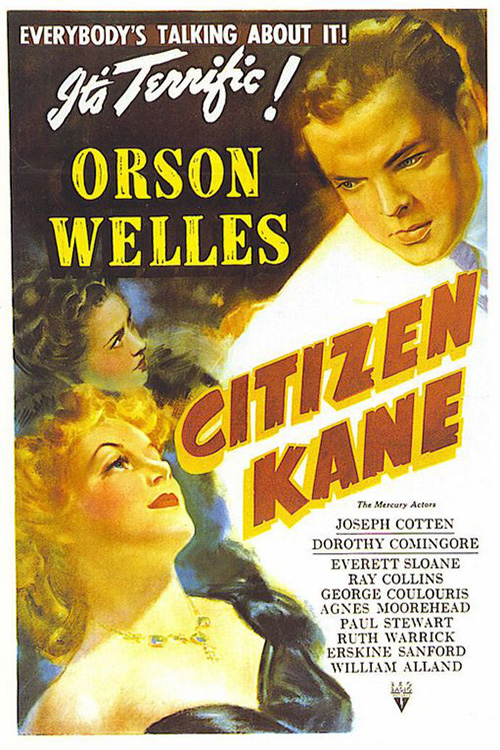
  • 7/30/16 – “All Hail King Hu” by Straw Cats Theater
  • 8/3/16 – Based in a centuries-old genre of Chinese literature, the wuxia martial arts movie takes place in a world of swords, sorcery, chivalry and romance. Here are 10 of its jaw-dropping milestones – link
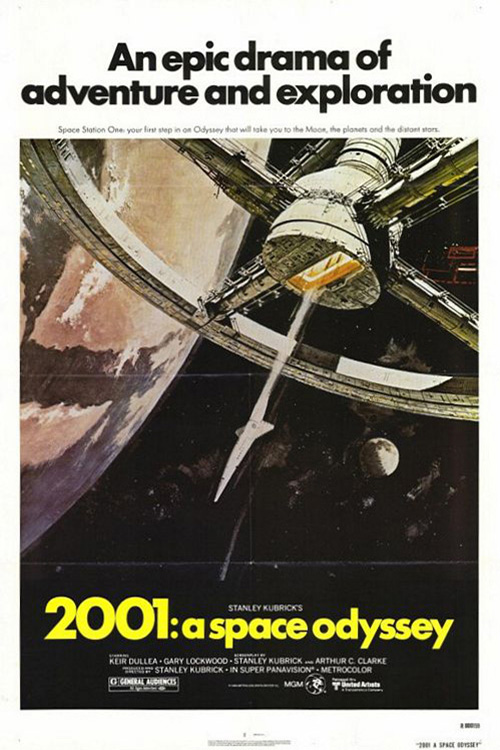
  • 8/11/16 – A Touch of Zen finds the art in the martial arts at Pop Matterslink