Jeremy Mills

Buffalo is full of people helping to cultivate cinema and we want to celebrate those involved. The Cultivators is a new monthly feature in which we highlight individuals who are integral to the presentation, promotion and production of film here in the queen city.

THE CULTIVATORS #010

JEREMY MILLS

Former General Manager – Eastern Hills Cinema
Former Marketing and Promotions Coordinator – Dipson Theatres

QUESTIONS & ANSWERS

What got you interested in movies?

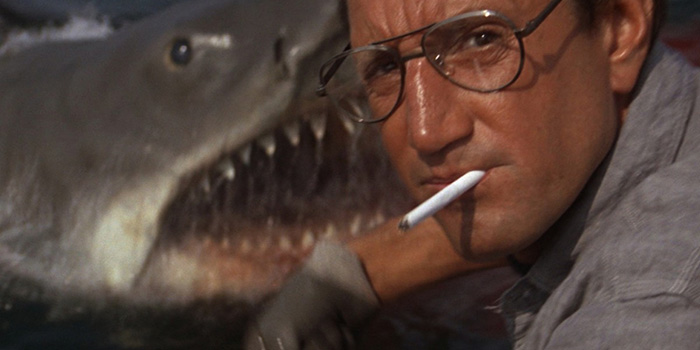
My dad and I both have mildly obsessive collector personalities. We’re not full-blown hoarders—as much as my mom and my partner would probably argue otherwise. We just love our “stuff”. I’m not sure how my love of movies would’ve taken root if it weren’t for my dad’s catalogued and indexed collection of VHS tapes consisting of home video releases and wildly juxtaposed triple features dubbed from 80’s cable stations. I’d like to think I would’ve eventually been swept away by cinema regardless, but I wouldn’t trade the days I spent watching Beetlejuice and Jaws on an endless loop for anything.

I also have incredibly fond memories of spending time each weekend watching “At the Movies” with Gene Siskel and Roger Ebert. They were just the perfect duo. Siskel’s even-keeled, populist approach was the perfect compliment to Roger’s erudite, oftentimes aloof outlook. I still miss getting their opinions on each weekend’s new releases, but both of them cemented incredible legacies in their time, so they won’t be forgotten—least of all by me.


What is your favorite movie related memory?

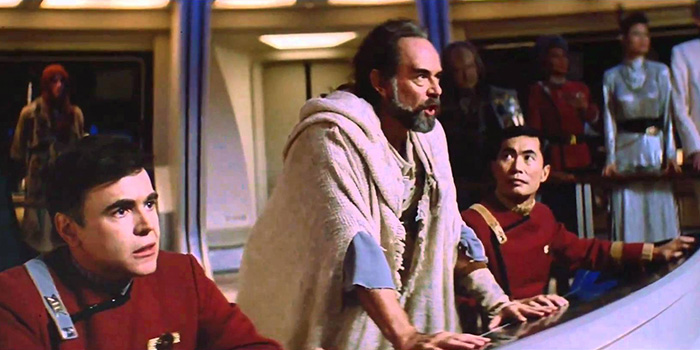
When I was four years old my uncle and my dad dragged me to see Star Trek V: The Final Frontier. Yes, that is the installment with Spock’s evil brother and features the Enterprise Crew traveling to the center of the galaxy in search of God. Needless to say, I didn’t get it at all. I sort of have this fantastic nostalgia for being completely and utterly lost as I struggled to stay awake.
That memory is closely tied with seeing Tremors a year later and being completely terrified. I refused to walk across large open spaces for months afterward, lest giant sand worms burst through the floor and devour me. It’s possible those repeated viewings of Beetlejuice later on were some rudimentary form of immersion therapy.


How did you end up in Buffalo?

Although we met in college in Bloomington, IN, my partner is from Buffalo. We reconnected a couple years ago and decided to give our relationship a second chance. I was working for a movie theater owner in Detroit at the time and he introduced me to the president of Dipson Theatres, Michael Clement. When I expressed interest in moving to the area, Mike was gracious enough to let me lend my skills to the company and I’ve been doing my best to keep the arthouses at Amherst & Eastern Hills thriving ever since.


What do you want to see more of in Buffalo?

I would love to see more local businesses team up with movie theaters for special screenings. In terms of letting movie houses evolve into the full-service bars and entertainment complexes you’ll see in other areas of the country, New York State Law is regrettably a little behind the times. But there are still plenty of ways to host events that encompass local eateries, breweries, craft-makers—you name it. It just takes a little planning and a little passion. It would be great to see different aspects of the community come together, combining audiences and enriching the local culture with cinema.


What are your essential film books?

In no particular order:
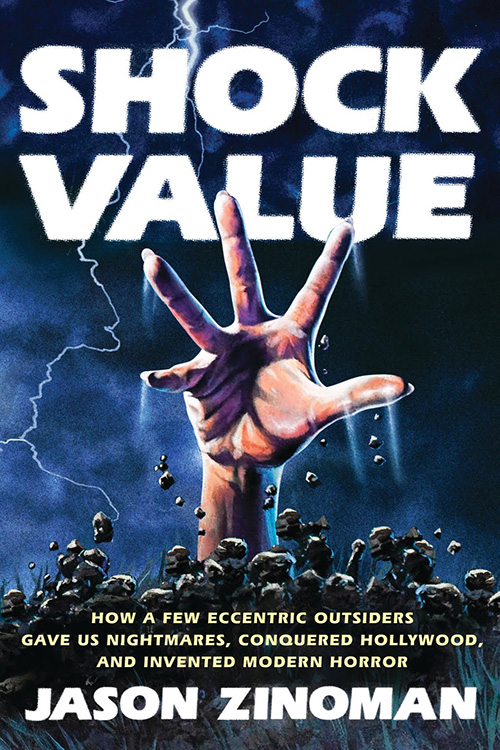
  • Shock Value by Jason Zinoman – An oral history of sorts that focuses on the major auteurs of horror cinema. Absolutely essential reading for any genre fan. Firsthand accounts and historical context abound. Zinoman really gets inside the minds of these filmmakers and makes plainly irrefutable arguments towards the inherent value of scary art.
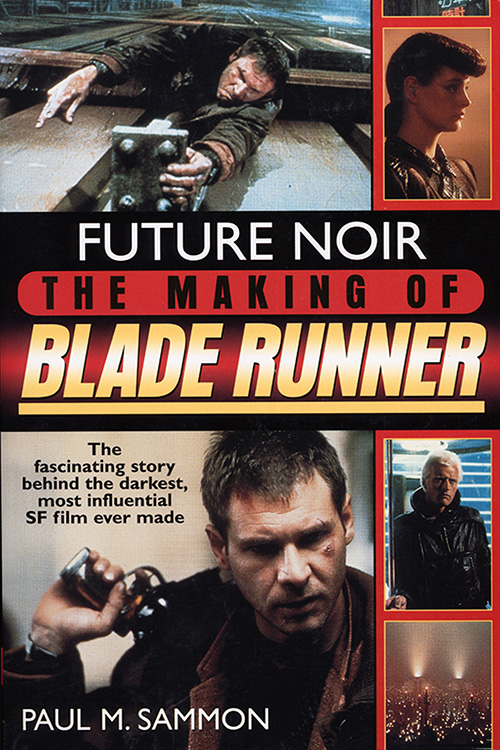
  • Future Noir: The Making of Blade Runner by Paul M. Sammon – Wildly in-depth and completely superfluous as the many versions of the film confirm what the author sometimes struggles to convey: that Blade Runner is pretty much the zenith of what sci-fi Cinema can achieve.
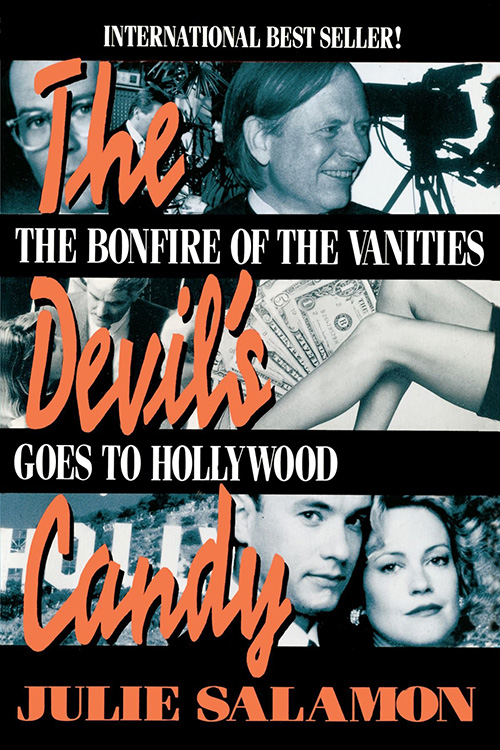
  • The Devil’s Candy: The Bonfire of the Vanities goes to Hollywood by Julie Salamon – Gives staggering insight into the difficulties of big-budget filmmaking and adaptation especially. Truly a document of 80’s excess that has to be read to be believed. It’s a wonder anyone involved made it out alive.
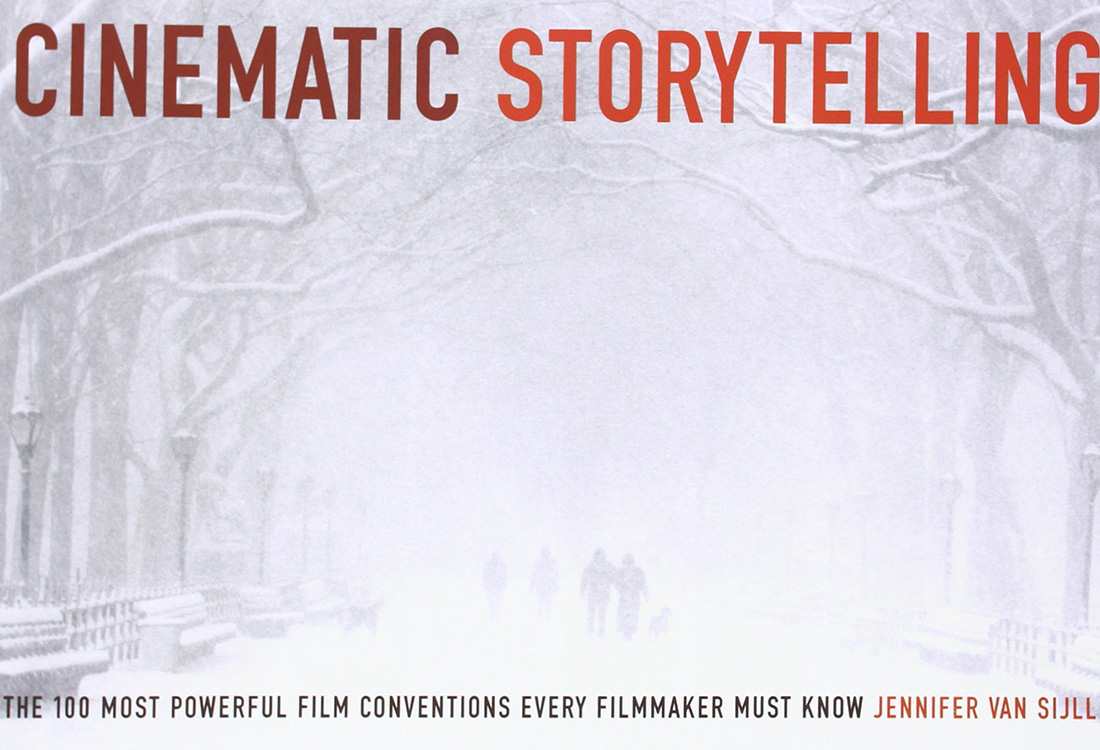
  • Cinematic Storytelling by Jennifer Van Sijll – This book is simplistic in its approach so it really makes the perfect gateway drug to filmmaking or film criticism. Filled with revelations hiding in plain sight from a number of certified “classics”. It was introduced to me as a textbook, but it’s appeal is really universal.
TOP TEN FILMS

I guess I’ll split this into two eras. The favorite films of my youth and my favorite films as an adult.

Growing up my list would’ve been:

  1. Star Wars: Episode V – The Empire Strikes Back [1980], directed by Irvin Kershner
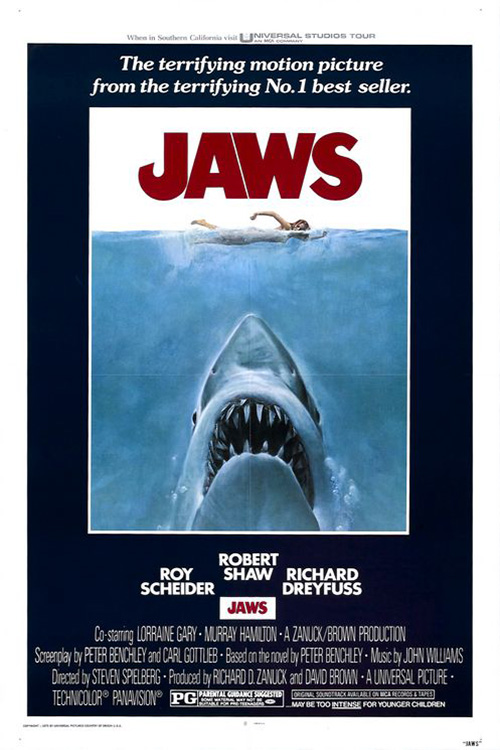
  2. Jaws [1975], directed by Steven Spielberg
  3. Aladdin [1992], directed by Ron Clements & John Musker
  4. The Land Before Time [1988], directed by Don Bluth
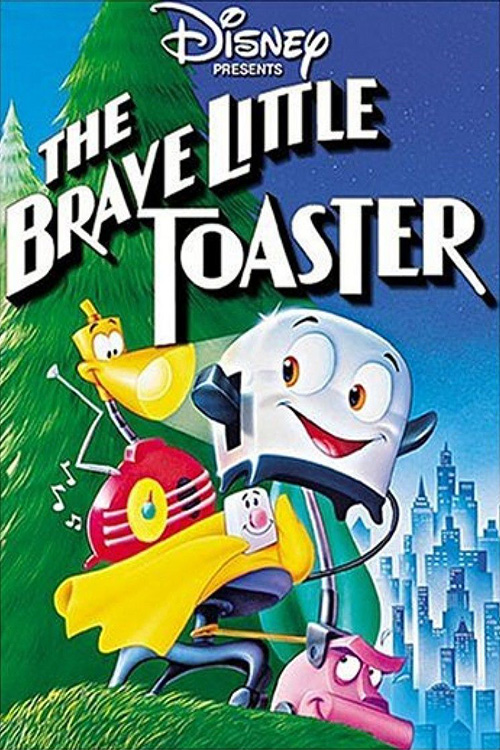
  5. The Brave Little Toaster [1987], directed by Jerry Rees

I suppose these are all self-explanatory. I watched my VHS copies until they fell apart. They are simple stories, yet they contain multitudes. As I got older I began to see the great pieces of cinema that inspired them all, but knowing that they are derived from other works doesn’t make them any less profound. I still blame Toaster for my ongoing and irrational attachment to inanimate objects.

Since discovering the whole wide sphere of cinema:

  1. TIE
    • Alien [1979], directed by Ridley Scott
    • Blade Runner [1982], directed by Ridley Scott
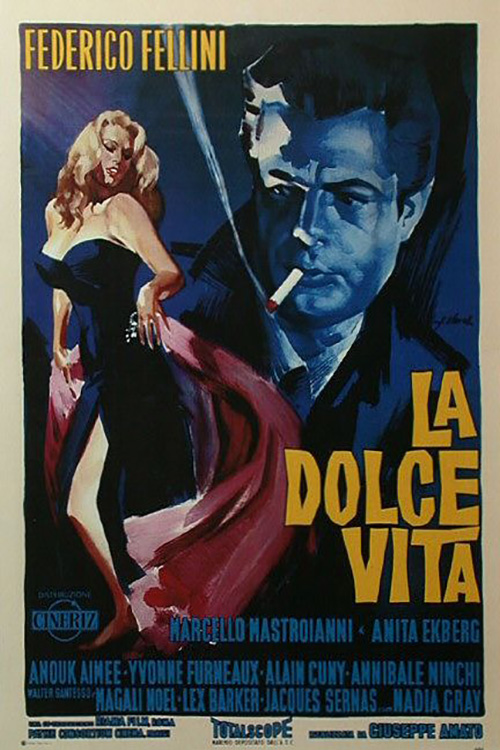
  2. La Dolce Vita [1960], directed by Federico Fellini
  3. Mulholland Drive [2001], directed by David Lynch
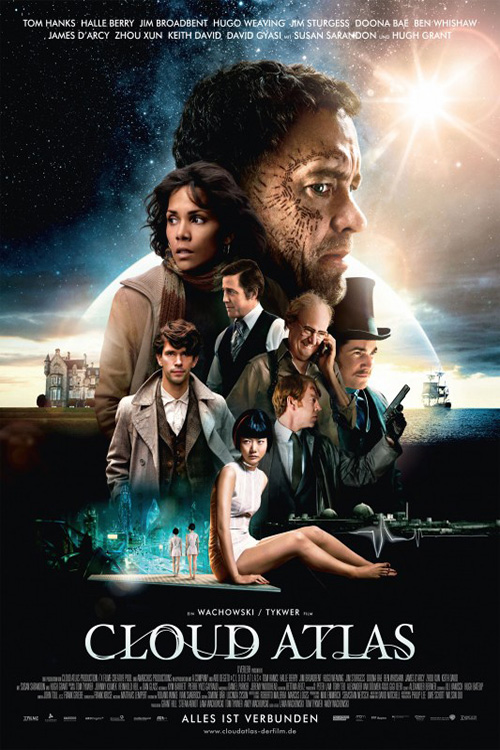
  4. Cloud Atlas [2012], directed by Tom Tykwer, Lana Wachowski & Lilly Wachowski
  5. The Dreamers [2003], directed by Bernardo Bertolucci

I gravitate towards movies that push the envelope and stretch the boundaries of what cinema can achieve. I love movies that belong on a big screen—that don’t quite feel the same when you view them at home. My first job when I was 14 years old was scooping popcorn at a movie theater and here I am today, right back where I started. Now that I have a 1-year old flying around the house, I don’t have as much viewing time as I once did, but I’m beginning to curate a library of things I want to show him, and that feels like a perfectly acceptable replacement for my own indulgences.


Film stills from left to right, top to bottom are BeetlejuiceJaws, “At the Movies”, Star Trek V: The Final Frontier, and Tremors.

Ray Barker

Buffalo is full of people helping to cultivate cinema and we want to celebrate those involved. The Cultivators is a new monthly feature in which we highlight individuals who are integral to the presentation, promotion and production of film here in the queen city.

THE CULTIVATORS #009

RAY BARKER

Programming Director at North Park Theatre

QUESTIONS & ANSWERS

What got you interested in movies?

I have been going to the movies since I was five years old, so I guess my love of movies has been pretty spontaneous. However, from the age of 8 to 13, I lived in a small town that had a neighborhood movie theatre within walking distance of my home and I saw SO many movies that came to town. I guess the love of film is something that gets in your blood. I have never stopped going to the movies.


What is your favorite movie related memory?

Standing on the North Park Theatre stage in March 2014 (right before we re-opened) and looking out at the beautiful restoration work that had been done over the previous ten months, I felt some satisfaction that I was part of the group that had saved the most beautiful movie theatre in Buffalo and that it would be around for generations to come.


How did you end up in Buffalo?

Although I was born in Buffalo, I have lived all over. I returned to Buffalo to complete a Ph.D. in History at the University of Buffalo and have been fortunate enough to be able to stay. Buffalo is a wonderful city and I enjoy living here.


What do you want to see more of in Buffalo?

While living in Memphis, I discovered the amazing steamed slider from Krystal, a fast-food chain. I am amazed that Buffalo has never had a Krystal or a White Castle Restaurant, so I’d like to see that come to town some day. The Buffalo News just reported that Chick-fil-A is coming, so you never know.

But seriously, what I most want to see is more young adults able to get good jobs in Buffalo so that they can stay and be part of our resurgence as a city. I would like to see more young families be able to raise their children in Buffalo.


What are your essential film books?

  • Ray Harryhausen: An Animated Life by Ray Harryhausen & Tony Dalton (2004)
  • Something Like an Autobiography by Akira Kurosawa
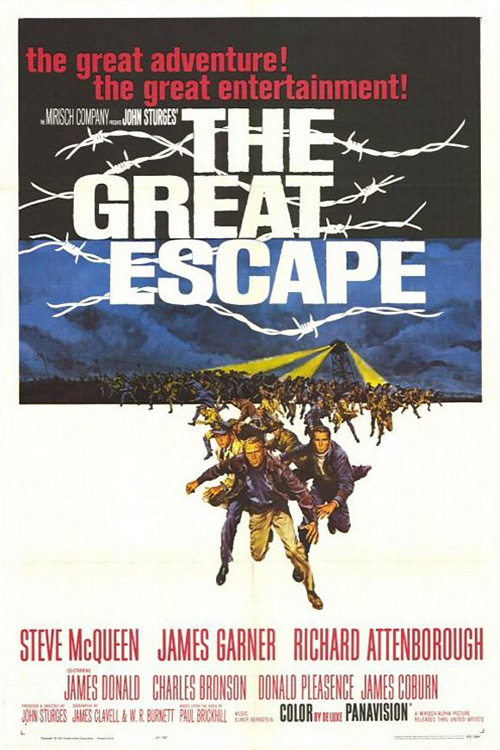
  • The Great Escape by Paul Brickhill
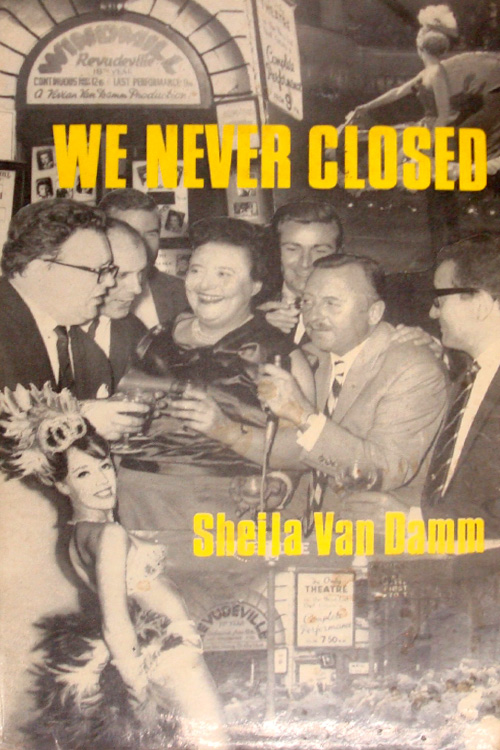
  • We Never Closed: The Windmill Story by Sheila Van Damm, the inspiration for the film Mrs. Henderson Presents
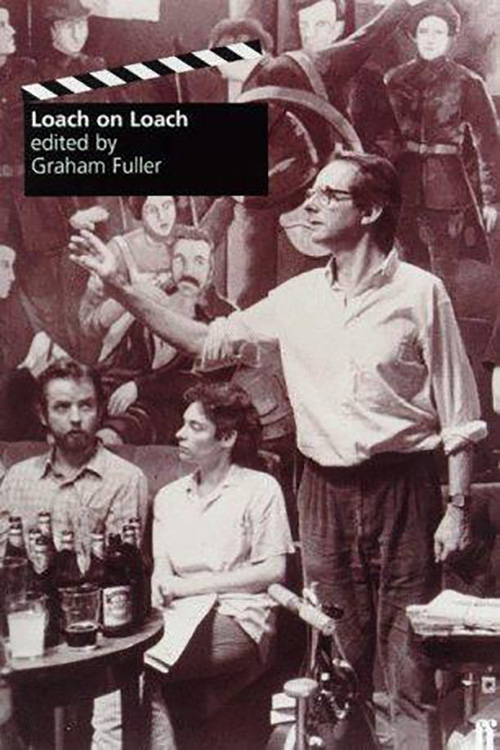
  • Loach on Loach (Directors on Directors) by Ken Loach
TOP TEN FILMS
  1. The Man Who Would Be King [1975], directed by John Huston
  2. The Great Escape [1963], directed by John Sturges
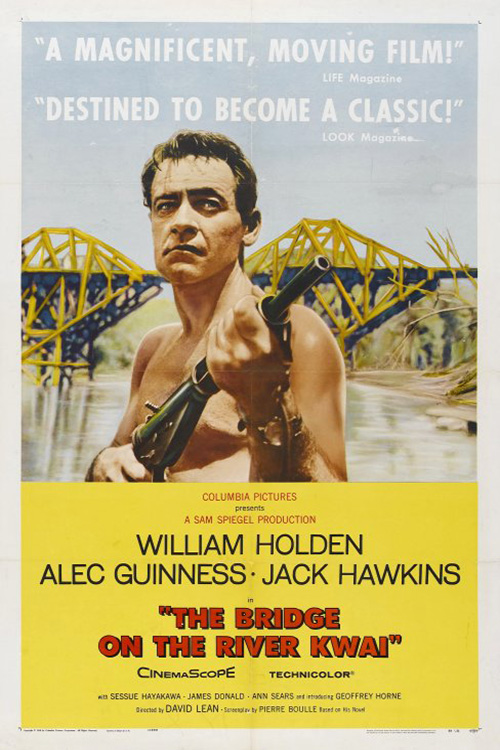
  3. The Bridge on the River Kwai [1957], directed by David Lean
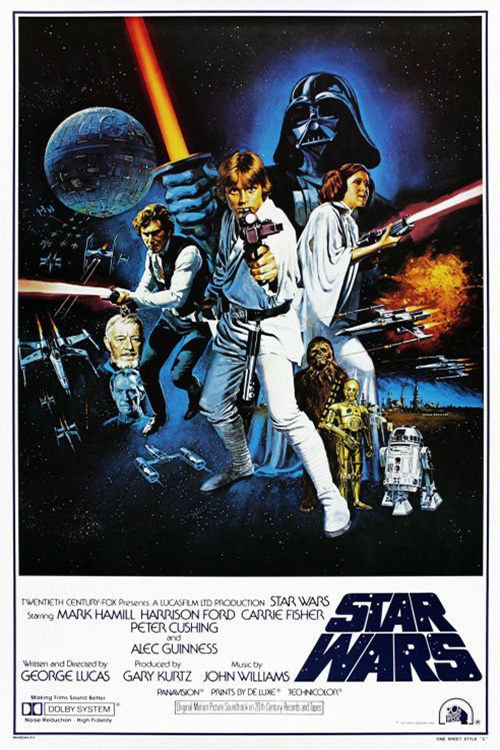
  4. Star Wars: Episode IV – A New Hope [1977], directed by George Lucas
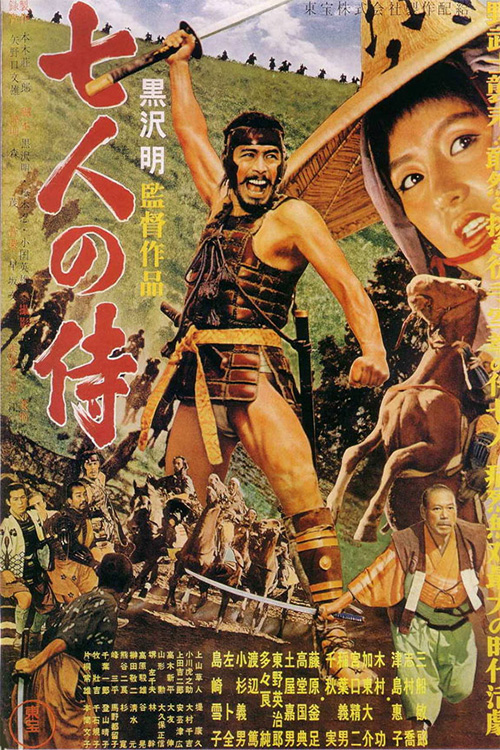
  5. Seven Samurai [1954], directed by Akira Kurosawa
  6. Cinema Paradiso [1988], directed by Giuseppe Tornatore
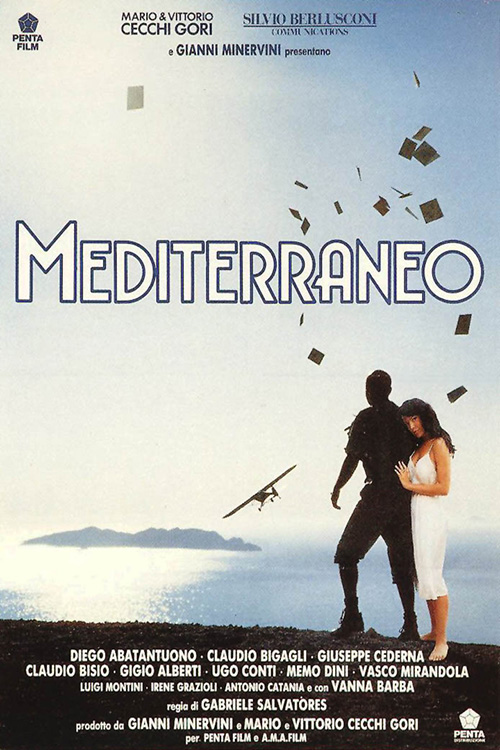
  7. Mediterraneo [1991], directed by Gabriele Salvatores
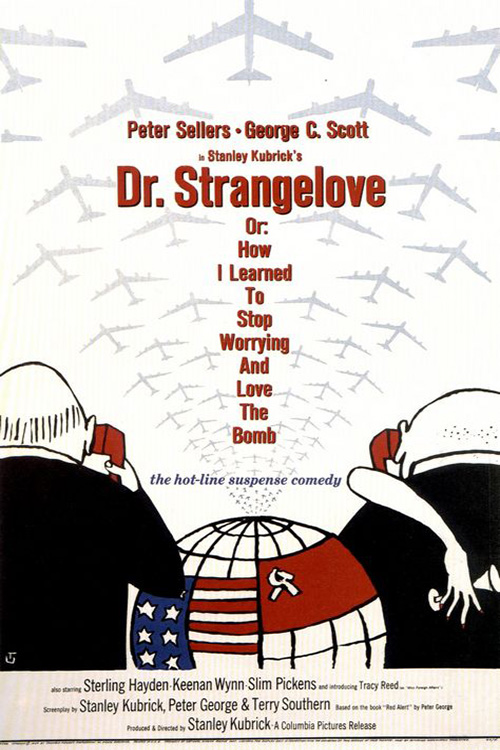
  8. Dr. Strangelove [1964], directed by Stanley Kubrick
  9. The Godfather [1972], directed by Francis Ford Coppola
  10. Macross: Do You Remember Love? [1984], directed by Ishiguro & Kawamori

Peter Vullo

Buffalo is full of people helping to cultivate cinema and we want to celebrate those involved. The Cultivators is a new monthly feature in which we highlight individuals who are integral to the presentation, promotion and production of film here in the queen city.

Photo by Joed Viera.

THE CULTIVATORS #008

PETER VULLO

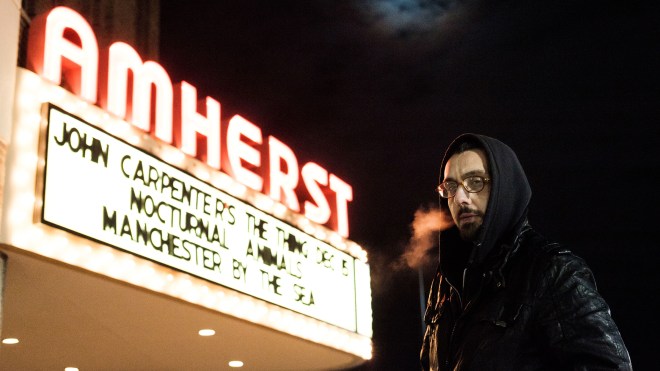
Program Director/Host of Thursday Night Terrors
Twitter: @ScarecrowPete / @ThursdayTerrors

QUESTIONS & ANSWERS

What got you interested in movies?

I’d say having my own income was probably the biggest catalyst for my interest in movies. Having my first steady job as a teenager meant I could buy a DVD player, DVDs, and a TV. I could also afford to go the movies more regularly. From there it was a rabbit hole. I have hundreds of movies at home. I haven’t watched them all just yet, but I’m working on it. Whenever I have free time I put a movie on. It’s an especially great time to be a movie lover and of genre stuff specifically thanks to all the boutique labels—Criterion, Scream Factory, Arrow Video, Synapse Films, among others—releasing deluxe editions of some undiscovered gems.

Also, meeting fellow movie lovers was crucial to my interest in movies. Sometimes it was a friend who let me borrow a DVD or a teacher who screened a movie in class. People who love movies communicate in their own language. It’s full of the names of directors, actors, movie titles, and quotes. It’s always a thrill to meet someone who shares a passion for movies. It means I’ll come away from the conversation with a new recommendation to check out.


What is your favorite movie related memory?

When I was younger, my family and I would go to second-run theaters—or “cheap shows”—often. That’s something I remember fondly. I don’t recall the specific movies or anything, but the overall experience was something special to me. Just doing something together as a family. There was a movie theater on Elmwood Ave across from the Tops Plaza. I believe it was a second-run theater, but I’m not positive. We used to go there. Then it was demolished to make way for an Aldi store or whatever’s there now. There was also the Apple Tree theater we’d go to quite a bit. It was always a treat to go to the movies as a kid, especially if my sister and I could get popcorn and drinks.

A more recent and specific movie-related memory is from the Thursday Night Terrors screening of The Thing (1982) on December 15. I was keeping the announcement of Terrors continuing into a second season pretty hush-hush. I was hoping to make it a more memorable experience than just posting about it on social media. I wanted it to be a surprise. I wanted it to be special.

In preparation for The Thing, I had a trailer made with clips from the movies I’d be playing for the second season of the series. After each clip was a title card with the name of the film and its screening date. So, just when The Thing was supposed to start, this trailer starts playing. Roddy Piper is delivering his famous bubblegum line from They Live and so on. When the audience realizes what’s going on, they start cheering and clapping after every clip—louder and louder each time. I’m standing at the very back of the theater watching this unfold. I hear all this excitement from the crowd and start to choke up a little. It was just a beautiful moment and a highlight of my life. It was the culmination of a lot of hard work. Work that I love.

We had a packed house that night. We fought against the weather and the opening of Rogue One, and still somehow managed to have the biggest crowd yet for a Thursday Night Terrors screening. I don’t think I’ll ever forget that night or how everything ended up working out perfectly. It was all thanks to the horror fans out there. They are the most dedicated, passionate, and supportive group of people I have ever come across. It’s been an honor to be able to share these screenings with them.


How did you end up in Buffalo?

I was born and raised in Buffalo. It’s my home and I love it here. The food’s good, the people are cool, and there’s always something to do.


What do you want to see more of in Buffalo?

I think Buffalo is a wonderful and fruitful cultural center. It’s full of movies, music, literature, art, dance, photography, plays, and much more. I’d like to see more exploration of all those beautiful things here. There are a ton of creative people in this city and we should promote and foster that creativity here.

Of course, I’d like to see more movie screenings in Buffalo. I have some ideas of my own that I hope to explore in the new year.


What are your essential film books?

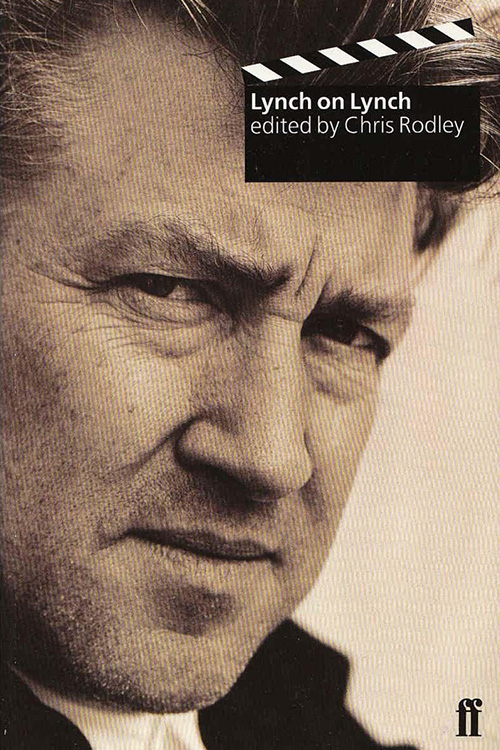
One film book I go back to often is the book of interviews with director David Lynch. It’s called Lynch on Lynch by Chris Rodley. Every time I rewatch one of Lynch’s movies I end up re-reading the chapter for that movie in the book. Lynch is my favorite director. His interviews can often be as cryptic as his films, but there’s some insight to be found there.

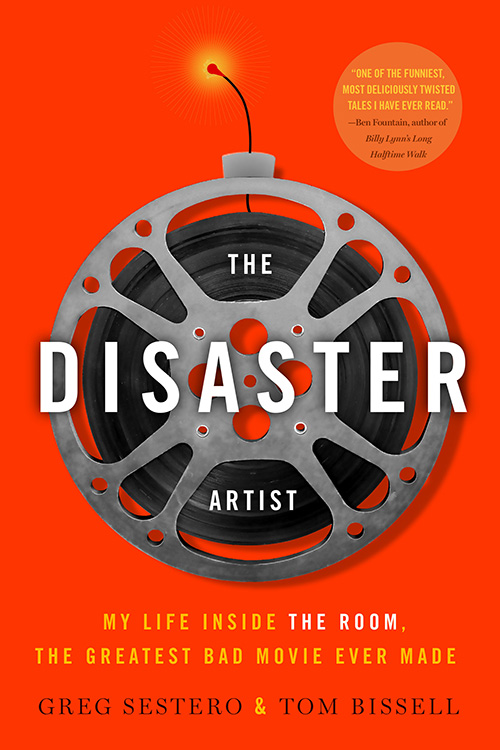
The Disaster Artist by Greg Sestero is essential reading for every film lover. The book is about one of the best worst movies ever made: The Room directed by the infamous Tommy Wiseau. Sestero co-starred in the film and is good friends with Wiseau. In the book Sestero shares stories from the set of the film and from his friendship with Wiseau. It’s absolutely ridiculous and hilarious. It’s one of my favorite books. It turns out James Franco is adapting the book into a film with him starring as Wiseau and his younger brother Dave Franco as Sestero. I can’t wait to see it.

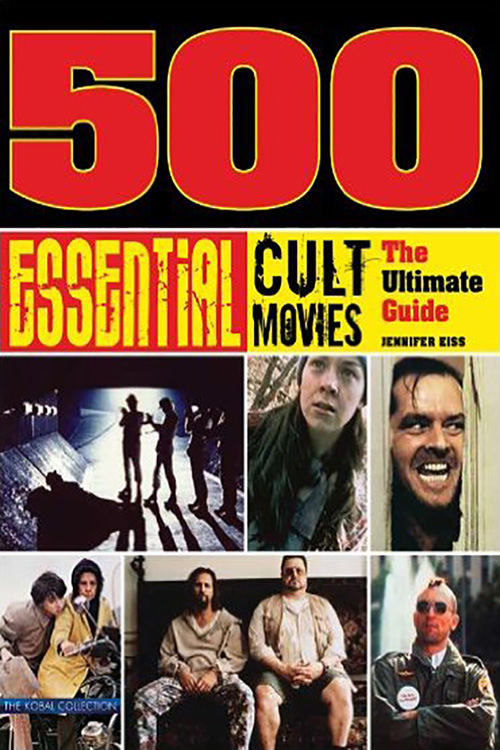
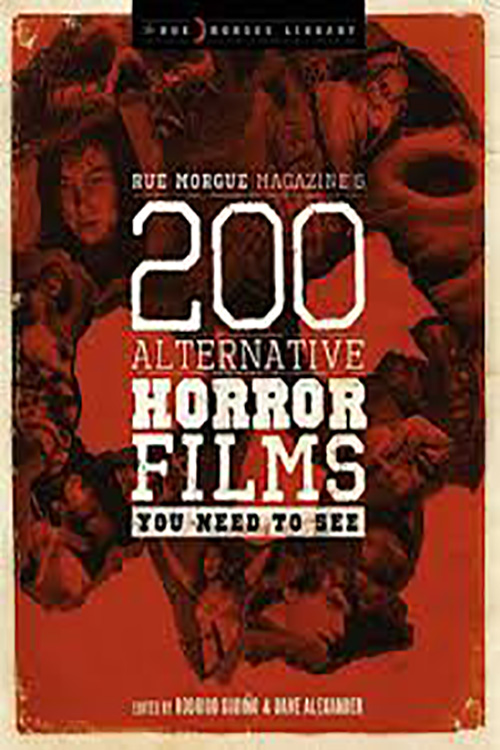
I also love books about movies that feature some kind of list or number in their title. I have one called 500 Essential Cult Movies that I page through regularly. There’s another one called 200 Alternative Horror Films You Need to SeeRue Morgue magazine put that one out. I recently picked up a book Fangoria put out years ago called 101 Best Horror Movies You’ve Never Seen. As cheesy as these books sound, I love ‘em. It gives me a chance to discover titles I may have never heard of before or to learn more about movies I already love.

I like a lot of movie magazines as well from sort of highbrow stuff like Film Comment and Sight & Sound to more genre-specific magazines like Rue MorgueFangoria, and HorrorHound.

TOP TEN FILMS

I’ll give you ten of my favorite horror films. They’re always influx, but here’s just some of the horror films I love:

  • Eraserhead [1977], directed by David Lynch
  • Dawn of the Dead [1978], directed by George A. Romero
  • Day of the Dead [1985], directed by George A. Romero
  • The Fly [1988], directed by David Cronenberg
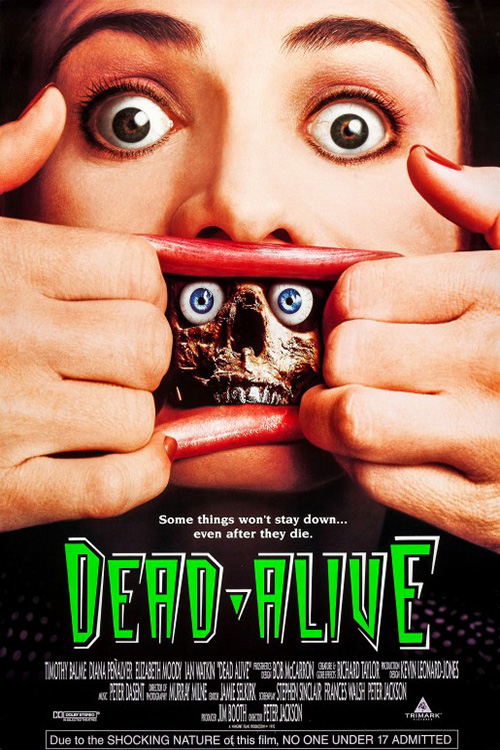
  • Dead Alive [Braindead] [1992], directed by Peter Jackson
  • Dèmoni [Demons] [1985], directed by Lamberto Bava
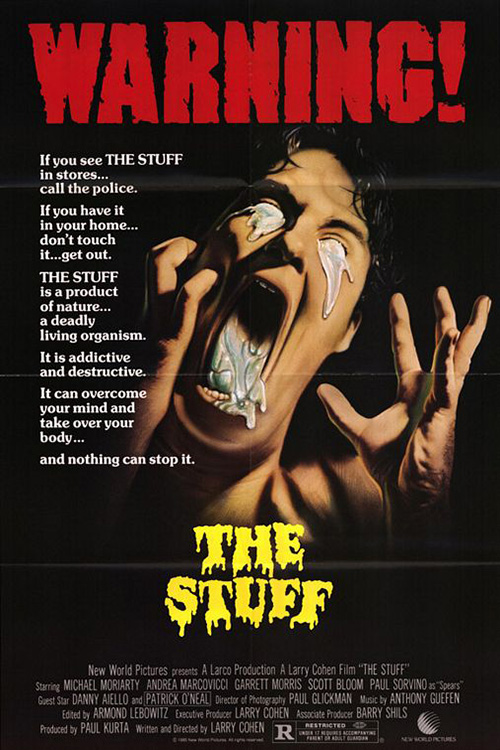
  • The Stuff [1985], directed by Larry Cohen
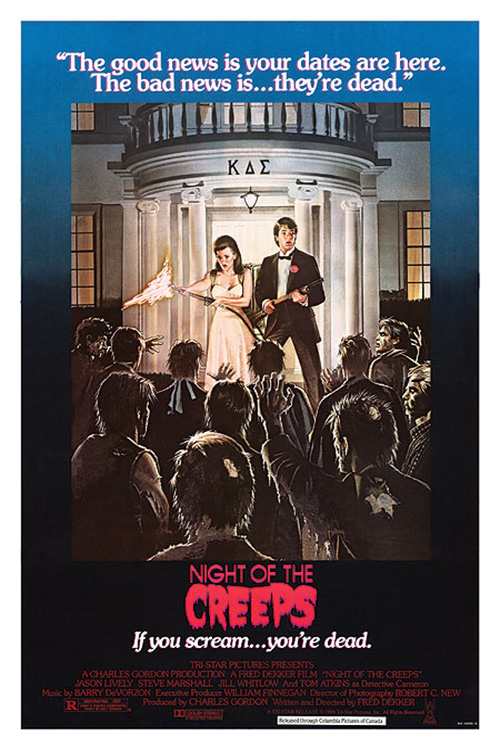
  • Night of the Creeps [1986], directed by Fred Dekker
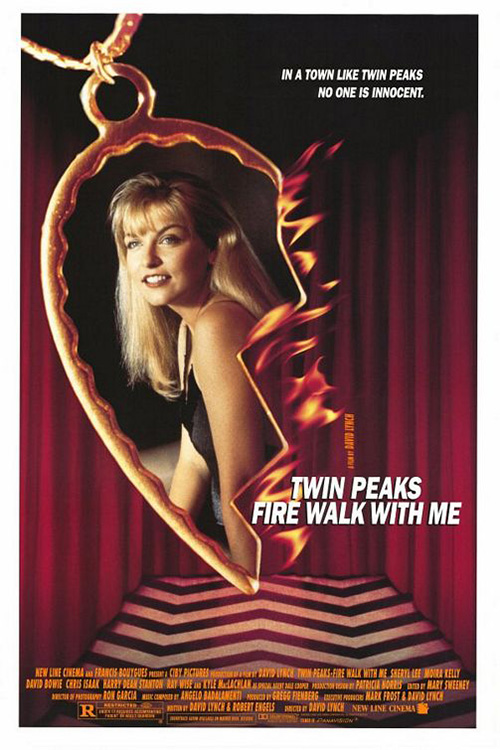
  • Twin Peaks: Fire Walk with Me [1992], directed by David Lynch
  • The Thing [1982], directed by John Carpenter

Film stills from left to right, top to bottom are The ThingThey Live, and the Thursday Night Terrors logo designed by Josh Flanigan.

Tanya Shilina-Conte

Buffalo is full of people helping to cultivate cinema and we want to celebrate those involved. The Cultivators is a new monthly feature in which we highlight individuals who are integral to the presentation, promotion and production of film here in the queen city.

THE CULTIVATORS #007

TANYA SHILINA-CONTE

Curator of riverrun Global Film Series
Professor of Film & Media Theory at SUNY at Buffalo

QUESTIONS & ANSWERS

What got you interested in movies?

I think what got me interested in movies initially was the fact that I had to seek them out myself. Presently, we enjoy instant access to thousands of movies via such streaming services as Netflix, Fandor, Mubi, Hulu, or Amazon Video. The proliferation of digital technology has profoundly modified the production, distribution, and sharing of our culture today.

According to Lawrence Lessig, we now inhabit the “Read/Write Culture” (“RW”) as opposed to the “Read Only Culture” (“RO”) of the analogue age. Just a couple of decades ago people had to go out of their way to be able to watch a movie they wanted: in art movie houses or special screenings at film institutes or cinematheques, and on rare disk collections. I think this relative scarcity of quality films instigated my interest and motivated me in my search for these unique, once-in-a-lifetime experiences.

For example, when I took classes at the Russian Institute of Cinematography (the first film school in the world founded in 1919 and the institution where Eisenstein, Kuleshov, and Pudovkin taught film), this was one of very few locations to watch art movies in Moscow. We still have some remnants of that bygone era reflected in film festivals such as The Nitrate Picture Show held at the George Eastman Museum in Rochester, NY. This festival has been called “the world’s most dangerous film festival,” as nitrate-based film is highly flammable and one has to have special equipment and trained specialists in order to project it. It is an experience that can’t be really recreated or repeated. First of all, you can’t watch a nitrate-based film on a streaming website, it’s only possible at a special place like the George Eastman Museum. Also, every time you watch a nitrate-based film, it will be different, as watching a film being projected, according to Eastman curator Paolo Cherchi Usai, is literally watching it die in front of our eyes.


What is your favorite movie related memory?

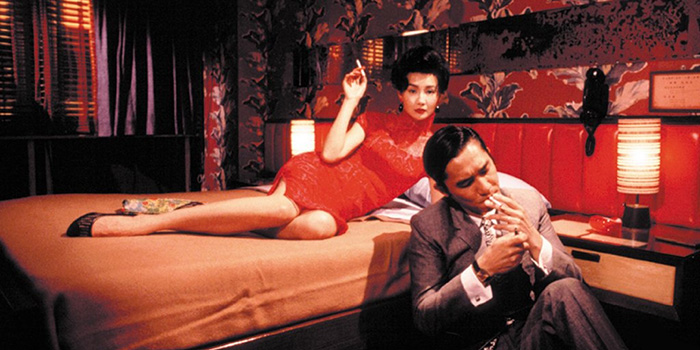
There was an art café in Moscow, Russia, which I frequented regularly when I used to live there (there’re many similar places in Moscow and Saint-Petersburg). This café often organized literary events, poetry readings, and film screenings (think of ciné-clubs in France). This is where I watched Wong Kar-wai’s In the Mood for Love for the first time, a cathartic experience for me, which made me realize that movies can be different, that they are not always Hollywood blockbusters screened in multiplexes. This was a film in which what is important is not what happens but how it happens.

People were allowed to smoke inside such cafés, and this smoke was hanging over the screen like in early phantasmagorias. It resonated with the shots in the film itself, in which the cigarette smoke rises up in the air lengthened by the slow-motion effect, Wong Kar-wai’s signature mark. Coupled with diffused light, it created an unreal dream-like atmosphere on screen, which was a way for the filmmaker to evoke an intangible experience of love. I think that’s when I fell in love with cinema as an art form, too. In other words, In the Mood for Love put me “in the mood for movies.”

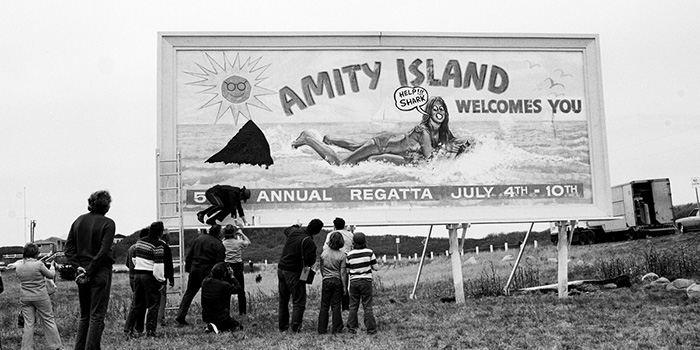
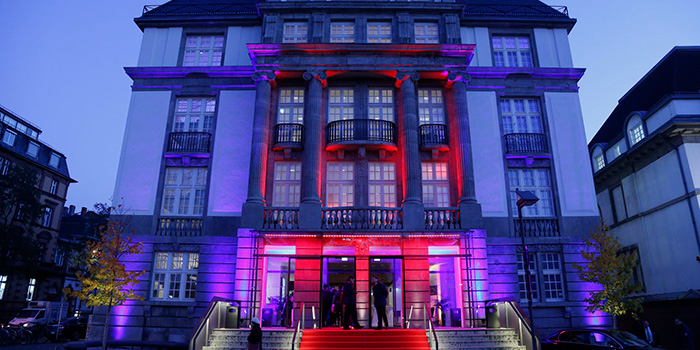
Since then I have become a sort of cinematic hoarder, as I now consciously collect movie-related experiences. Whenever I travel to a new place (another passion of mine), I try to find cinematic activities to engage in: visiting a giant Camera Obscura or taking an Alfred Hitchcock tour in San Francisco, California; going on a tour of the Fox Theater (a former movie palace) in Atlanta, Georgia; scouting film locations for Jaws on Martha’s Vineyard, Massachusetts; or perusing a collection of pre-cinematic optical devices at the Deutsches Filmmuseum in Frankfurt. All of this is a big part of my movie-making memories.


How did you end up in Buffalo?

I currently teach film and media theory in the Department of English at the University at Buffalo. In Russia, teaching Film Studies is only possible at special institutions like The Russian Institute of Cinematography, while in the US film classes are an important part of university curricula.

In addition to the Ph.D. in English that I already had from Saint-Petersburg, Russia, I got an MA in Film Studies and another Ph.D. in Media Study from UB after I came here. In my teaching, I try not only to communicate my love and passion for cinema to my students, but also show them how the medium of film can empower open consciousness. I firmly believe in promoting a cross-cultural understanding through the artistic medium of film and I think it can come to our rescue during the moments of political upheaval, such as the one we find ourselves in today.


What do you want to see more of in Buffalo?

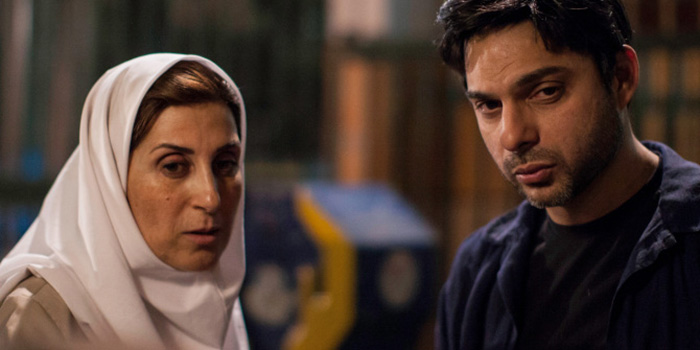
This past October I curated the inaugural riverrun Global Film Series at the Burchfield Penney Center in Buffalo. It was sponsored by the nonprofit organization riverrun, dedicated to the arts and culture in Western New York and the Department of English at UB. Changes in global communication are leading us to re-examine our notions of culture today and I think that we all need to reflect on our own existence in a globalized networked world. This was my vision as the curator of the film series: to bring films to Western New York that would change people’s perceptions of a particular country and let them form their own unique visions of what life is like there, as opposed to the stereotypes and misconceptions propagated by mass media channels.

This year the film series focused on Iran; next year we plan to bring films from Cuba. A lot of people approached me to say how our inaugural film series on Iran changed their view of the country itself, which was very rewarding for me to hear as a curator. This event is also different from other ventures in that it is not a film festival but a film series, as we would like to offer our audience a rich learning experience.


What are your essential film books?

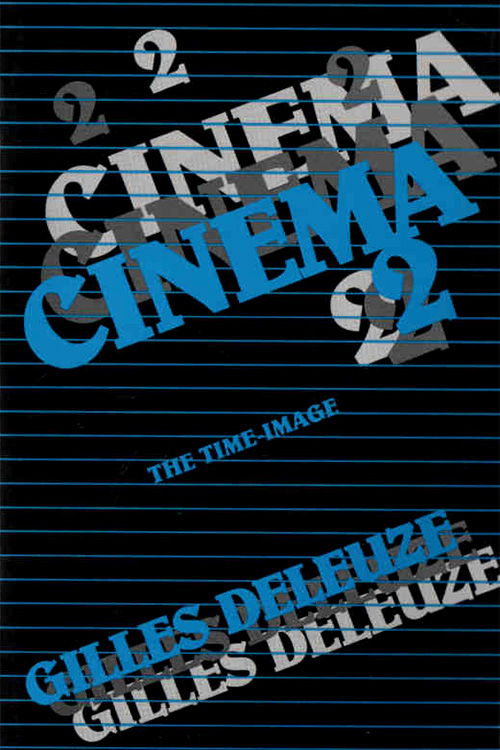
Deleuze, Gilles. Cinema 1: The Movement Image, 1986; Cinema 2: The Time Image, 1989. I love Deleuze’s unique approach to cinema as a form of philosophy. Every time I re-read his books, I find new things in them.

In addition, I highly recommend books by these prominent women film theorists:

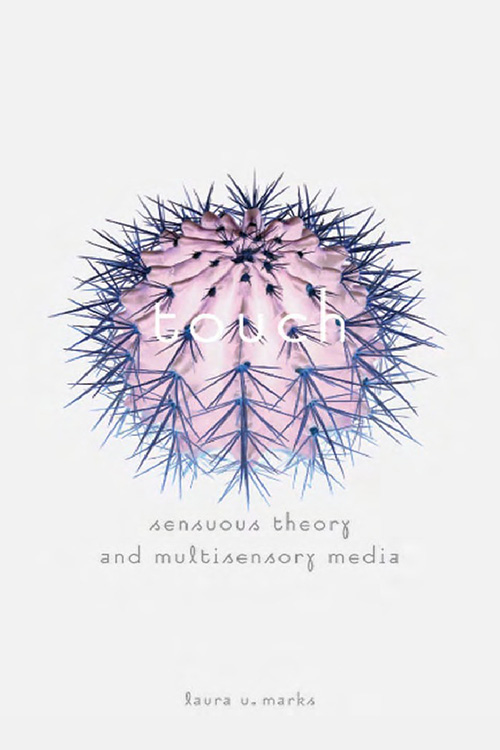
  • Laura Marks, The Skin of the Film: Intercultural Cinema, Embodiment, and the Senses, 1999, Touch: Sensuous Theory And Multisensory Media, 2002
  • Vivian Sobchack, Carnal Thoughts: Embodiment and Moving Image Culture, 2004
  • Patricia Pisters, The Neuro-Image: A Deleuzian Film-Philosophy of Digital Screen Culture, 2012

I also regularly read such film journals as Film-PhilosophyCamera ObscuraAlphavilleFilm CriticismFilm QuarterlyScreenSight & SoundCineasteCinema Scope, and Senses of Cinema.

TOP TEN FILMS

My taste in movies is very international in scope, which is reflected in my selections below (not in any particular order):

  • In the Mood for Love [2000], directed by Wong Kar-wai, Hong Kong
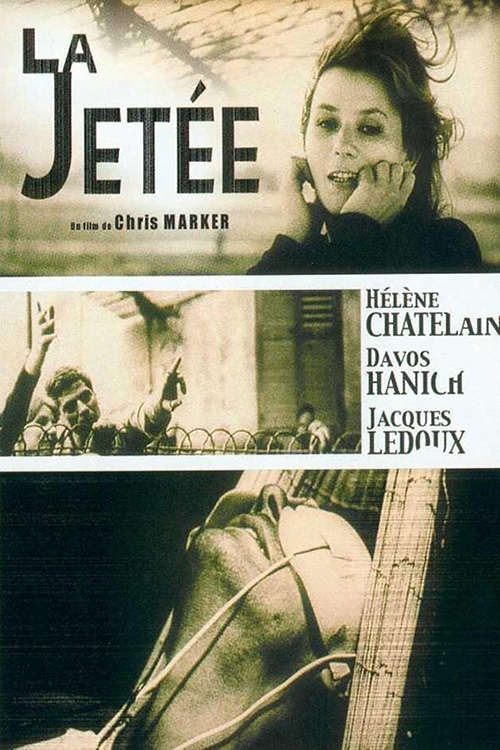
  • La Jetée [1962], directed by Chris Marker, France
  • Shadows of Forgotten Ancestors [1965], directed by Sergey Paradjanov, Russia
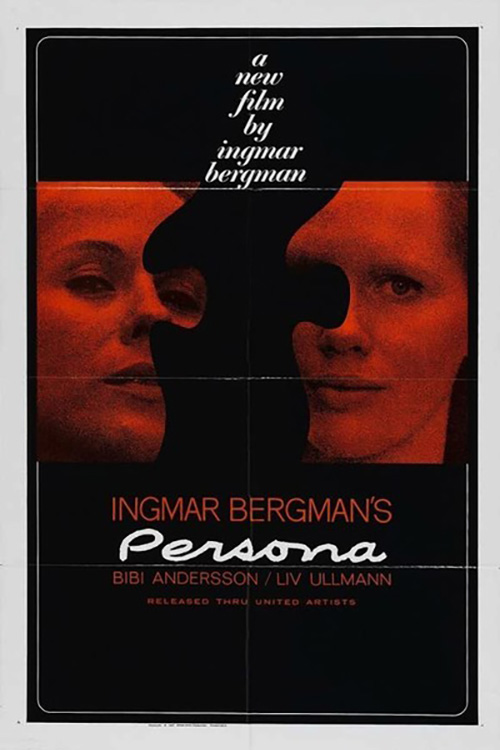
  • Persona [1966], directed by Ingmar Bergman, Sweden
  • The Garden [1968], directed by Jan Švankmajer, Czech Republic
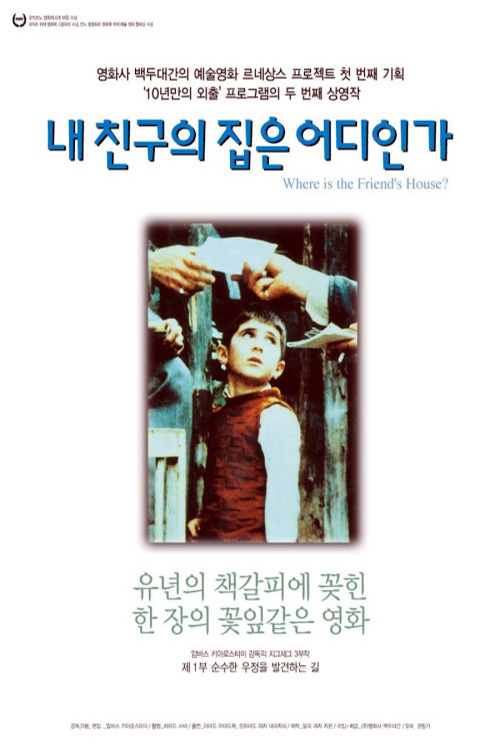
  • Where Is the Friend’s Home? [1987], directed by Abbas Kiarostami, Iran
  • Le Bal [1983], directed by Ettore Scola, Italy
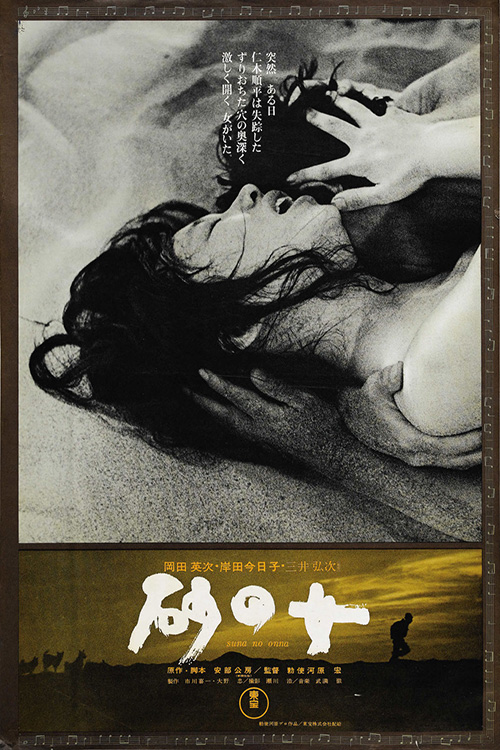
  • Woman in the Dunes [1964], directed by Hiroshi Teshigahara, Japan
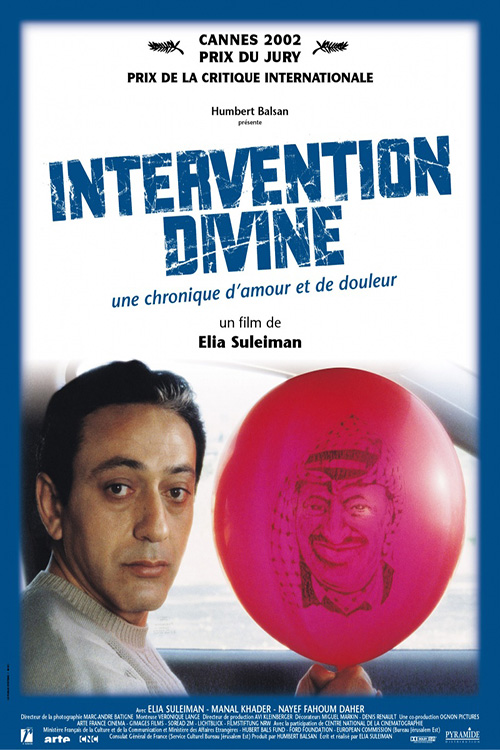
  • Divine Intervention [2002], directed by Elia Suleiman, Palestine
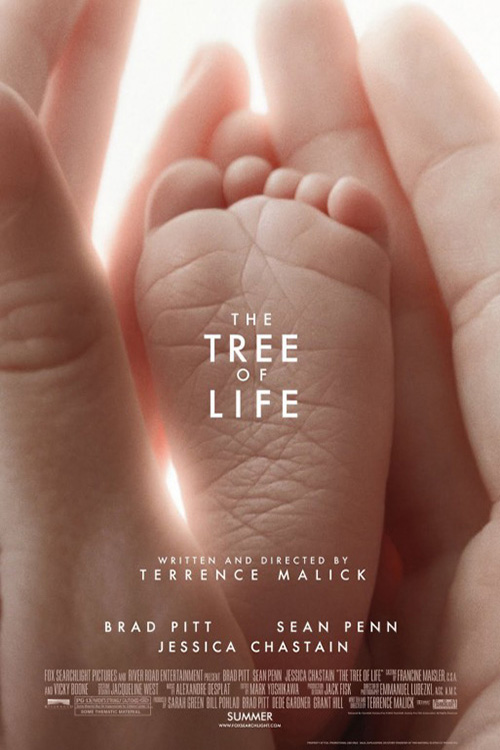
  • The Tree of Life [2011], directed by Terrence Malick, USA
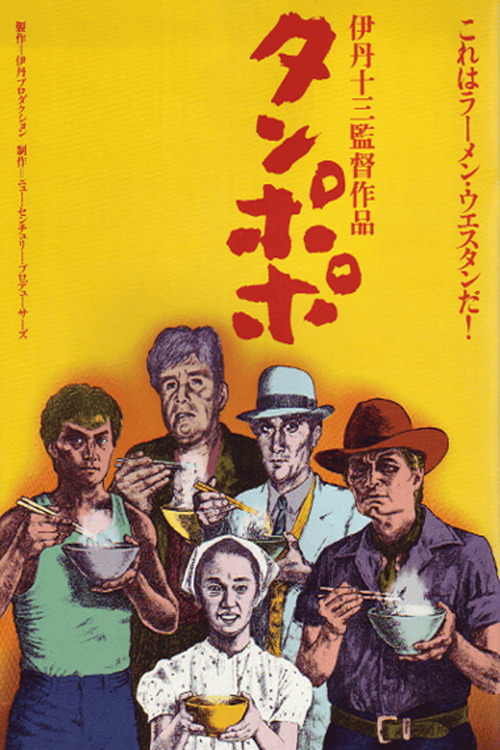
  • Tampopo [1985], directed by Juzo Itami, Japan

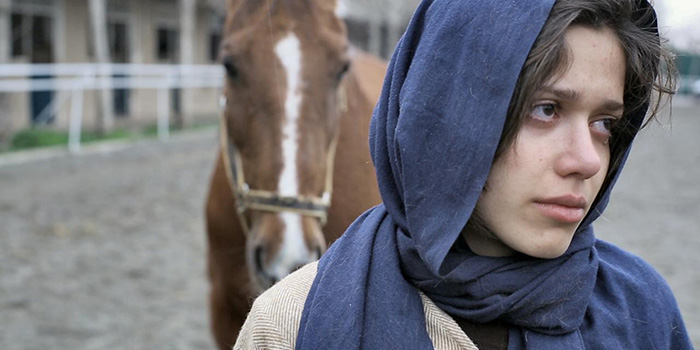
Film stills from left to right, top to bottom are the Russian Institute of Cinematography, the George Eastman House, In the Mood for LoveJaws (© 1974 Andy Fligor), Deutsches Filmmuseum, DownpourTales, and Hair.

Andrea Mancuso & Andrew Sutherland

Buffalo is full of people helping to cultivate cinema and we want to celebrate those involved. The Cultivators is a new monthly feature in which we highlight individuals who are integral to the presentation, promotion and production of film here in the queen city.

Photo by Jayne Appelbaum.

THE CULTIVATORS #006

ANDREA MANCUSO & ANDREW SUTHERLAND

Curators of Nichols High School’s Classic Movie Night
Dr. Sutherland – Nichols English Dept. / Dr. Mancuso – Nichols Arts Dept.

QUESTIONS & ANSWERS

What got you interested in movies?

Mancuso: I spent the fall of my freshman year in high school going to the North Park Theatre and watching the same three movies over 30 times for a social science project on personal space and horror movies. I recorded the info and drew up some type of conclusion. I think I did the project because I had a crush on a boy that sold tickets at the theater but in the end I was addicted to watching and re-watching films; and I became interested in visual literacy and the semiotics of film.

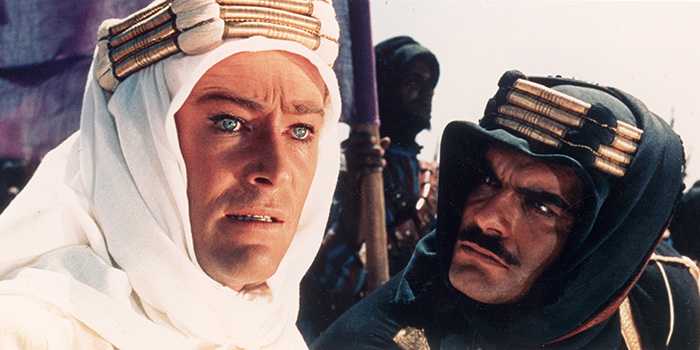
Sutherland: I grew up in Orange County, California, and we had a single screen Edwards Theater with an enormous screen in our neighborhood. In 1984, there was a revival of Lawrence of Arabia. It was a gorgeous, restored 70mm print. They played the overture before opening the curtains in front of the screen—everything. I was ten years old, and that was my first experience of real cinema. I’ve loved movies ever since.


What is your favorite movie related memory?

Mancuso: One of my most memorable film experiences was taking a photograph at the drive in. I made a 2-hour long exposure of the screen using a large 4×5 view camera with a friend that eventually became my partner. The image is a bright white rectangle illuminating a field of cars and trees. It is a favorite photograph of mine.

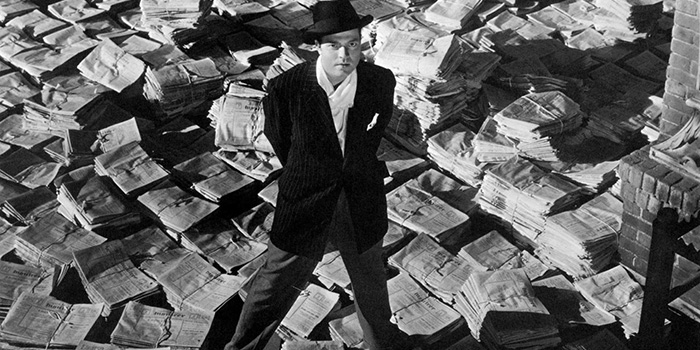
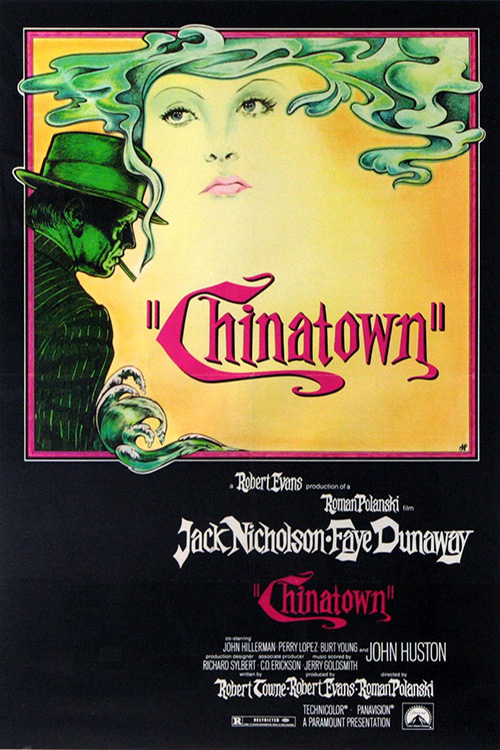
Sutherland: Apart from my experience first seeing Lawrence of Arabia, I have some nice memories of going on dates with my first girlfriend at the Nuart Theater in Los Angeles. The theater would show classic films one night of the week. We were too young to have licenses, so her dad would drive us up there and sit in the back of the theater. We saw Citizen KaneChinatown, and a lot of other great movies that way.


How did you end up in Buffalo?

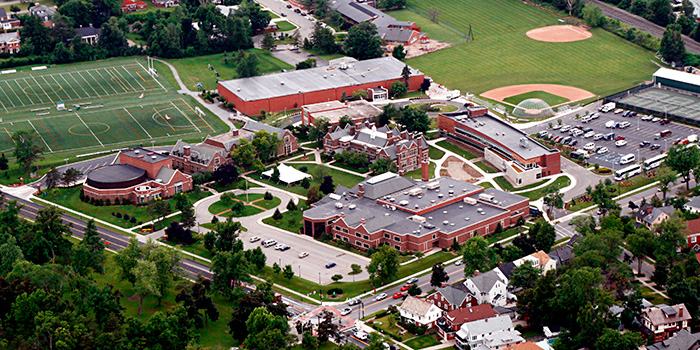
Mancuso: I was born in Buffalo and attended City Honors High school and UB for undergrad. I moved to California for many years and completed a MFA in Performance Video at the San Francisco Art Institute. I moved back to Buffalo to complete my PhD, practice my art, raise my kids and to be close with my large Italian family. Working at Nichols School I was able to build a film program in the arts department and each spring for the past 17 years my film classes run the Flick Fest, a student film festival open to all western New York and Southern Ontario 5-12th grade students. The festival is a highlight of my year and is held in April at the North Park Theatre. I encourage all aspiring filmmakers to send in work. It’s free and open to the public.

Sutherland: I moved out here after graduating from UCSD in order to earn a PhD in English with the late poet Robert Creeley. My wife and I fell in love with Buffalo, and I got a great job at the fabulous Nichols School, so we stayed.


What do you want to see more of in Buffalo?

Mancuso: I am dedicated to Buffalo’s visual art scene. It is edgy and champions the individual while promoting progressive ideas. The things artists do in Buffalo have been copied and made profitable in other cities. It is time for the visual arts and film and video to get some recognition for their ground-breaking innovations.

Sutherland: Buffalo is a place where people seem to band together in order to accomplish things. Large projects, such as Canalside and Larkinville are terrific, but there are small galleries that pop up, art and music collectives, urban farms, etc. etc. There is a wonderful energy here that way. I want to see even more of that.


What are your essential film books?

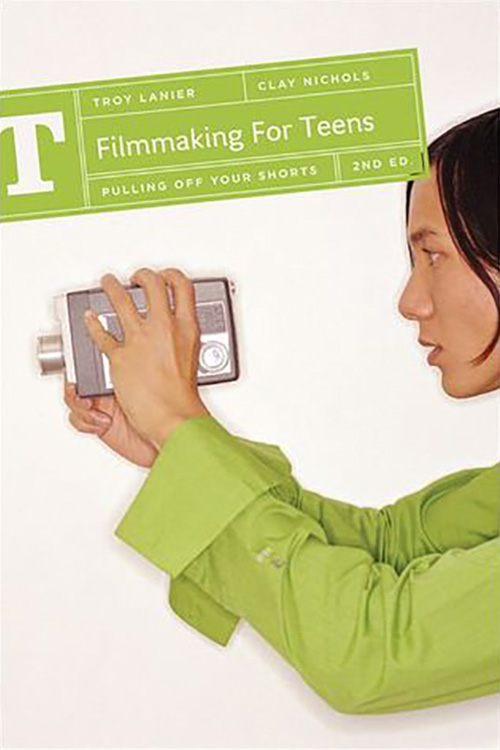
Mancuso: I am always looking for relevant production texts for my High School students. I like Troy Lanier and Clay Nichols’ Filmmaking For Teens, and for many years, until it went out of print, I used Steven Ascher and Edward Pincus’s The Filmmakers’ Handbook as a text for my Filmmaking and Video classes at Nichols.

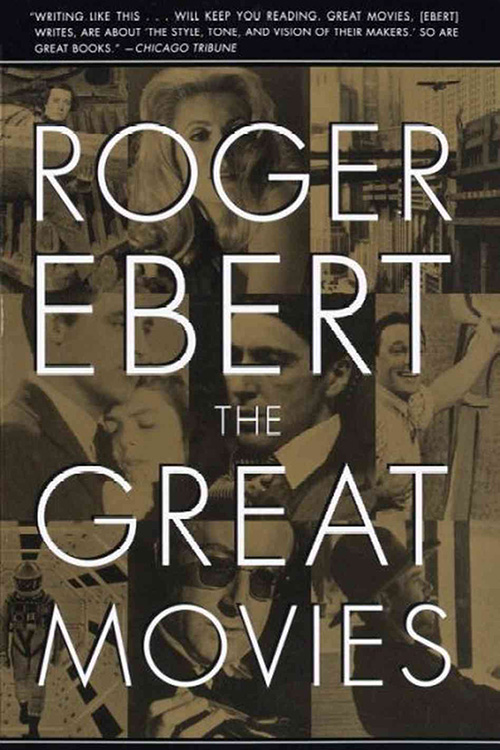
Sutherland: Some of my favorite film books are Pauline Kael’s I Lost It at the Movies and Roger Ebert’s The Great Movies series.

TOP TEN FILMS
Andrea Mancuso:
  1. Blade Runner [1982], directed by Ridley Scott
  2. Videodrome [1983], directed by David Cronenberg
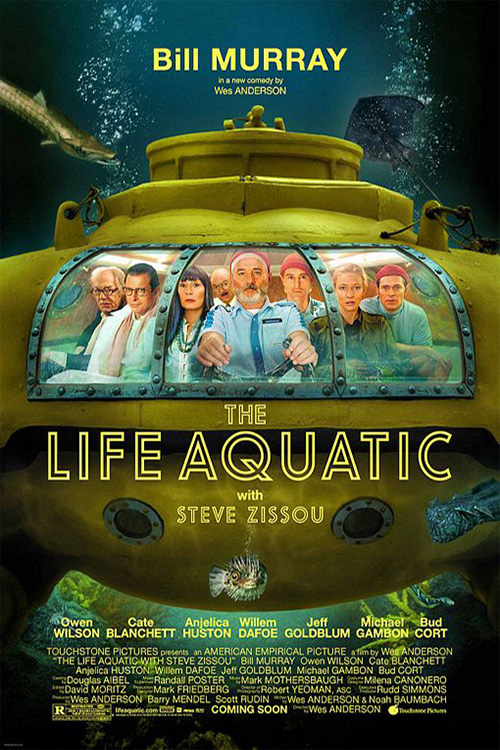
  3. The Life Aquatic with Steve Zissou [2004], directed by Wes Anderson
    • But I love most all of Wes Anderson’s films
  4. Twin Peaks [1990-91], created by David Lynch & Mark Frost
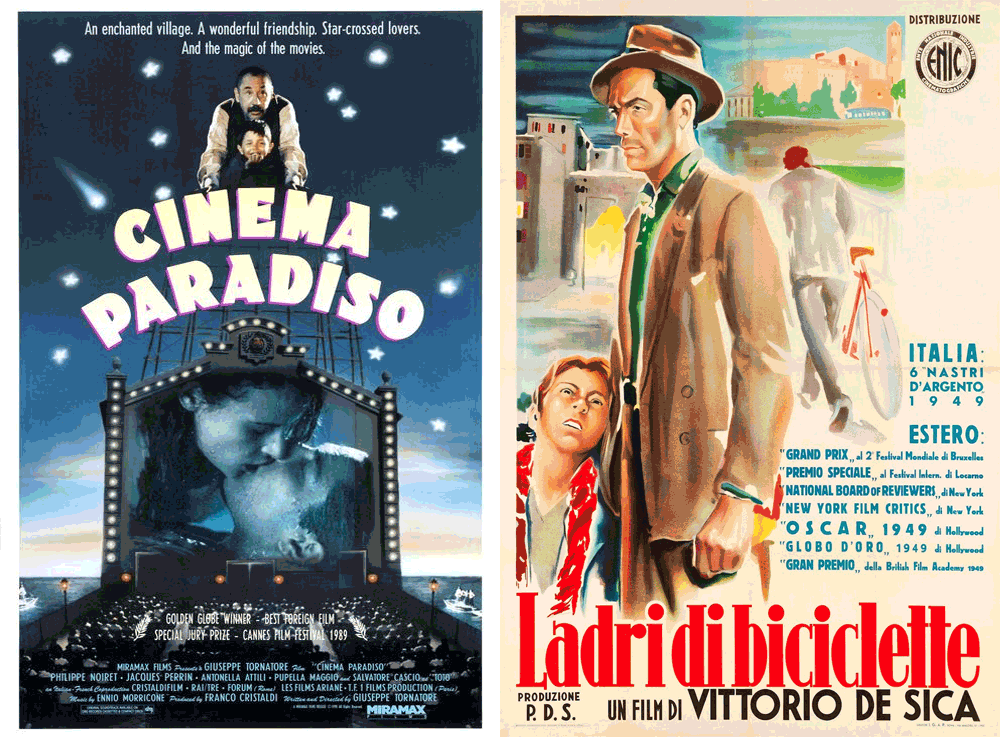
  5. Cinema Paradiso / Bicycle Thieves [1988 / 1948], directed by Giuseppe Tornatore / Vittorio De Sica
    • Italian films
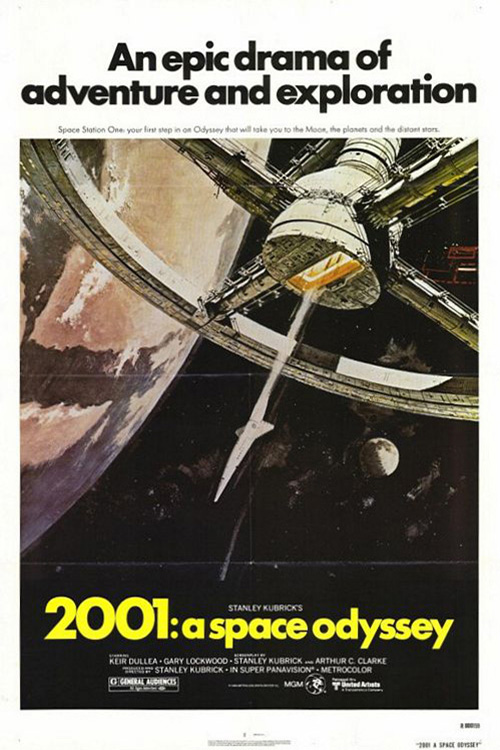
  6. 2001: A Space Odyssey [1968], directed by Stanley Kubrick
  7. La Jetee [1962], directed by Chris Marker
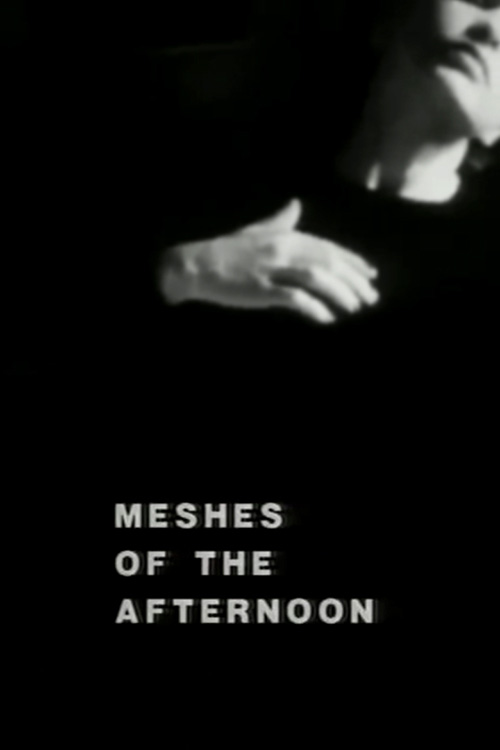
  8. Meshes in the Afternoon [1943], directed by Maya Deren
  • Documentaries: Errol Morris, Werner Herzog
  • Women Directors: Will see anything by Sofia Coppola, Kathryn Bigelow, and Nanette Burnstein
  • Movies I enjoy watching over and over: Little Miss SunshineClose Encounters of the Third Kind, and E.T. the Extra-Terrestrial

Andrew Sutherland:
  1. The Man Who Would Be King [1975], directed by John Huston
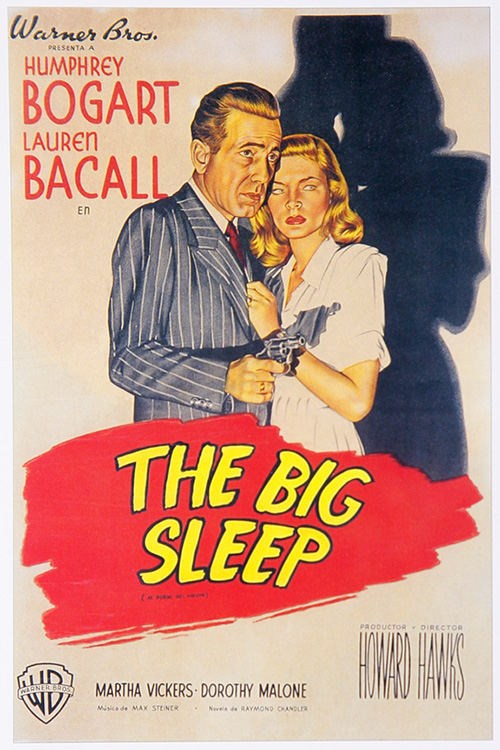
  2. The Big Sleep [1946], directed by Howard Hawks
  3. The Godfather [1972], directed by Francis Ford Coppola
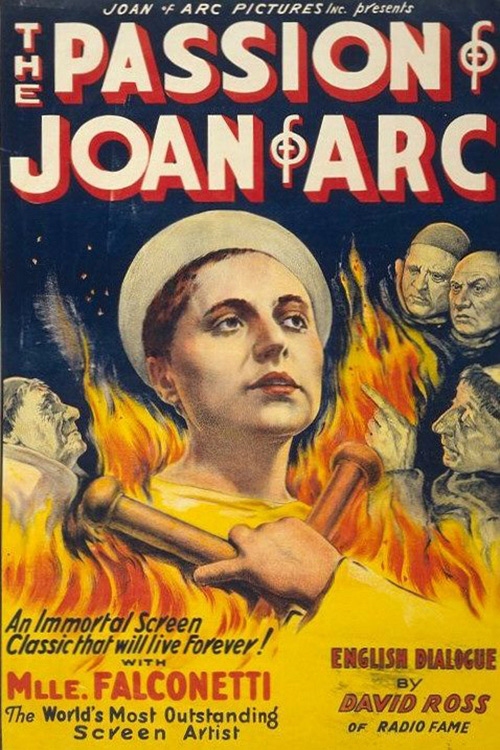
  4. The Passion of Joan of Arc [1928], directed by Carl Theodor Dreyer
  5. 2001: A Space Odyssey [1968], directed by Stanley Kubrick
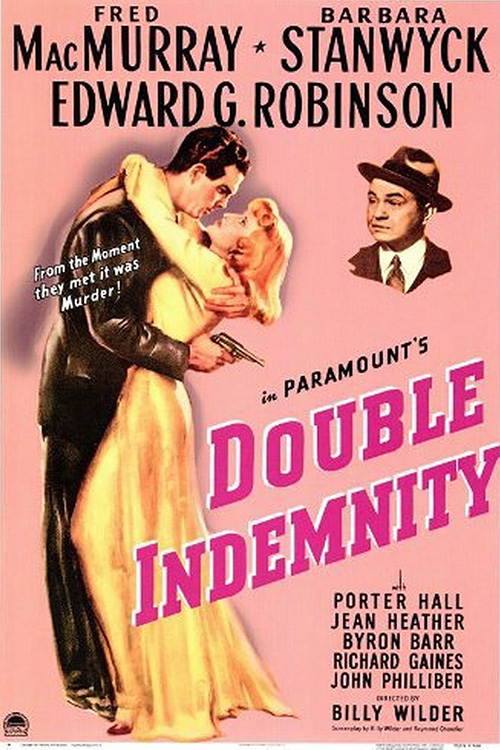
  6. Double Indemnity [1944], directed by Billy Wilder
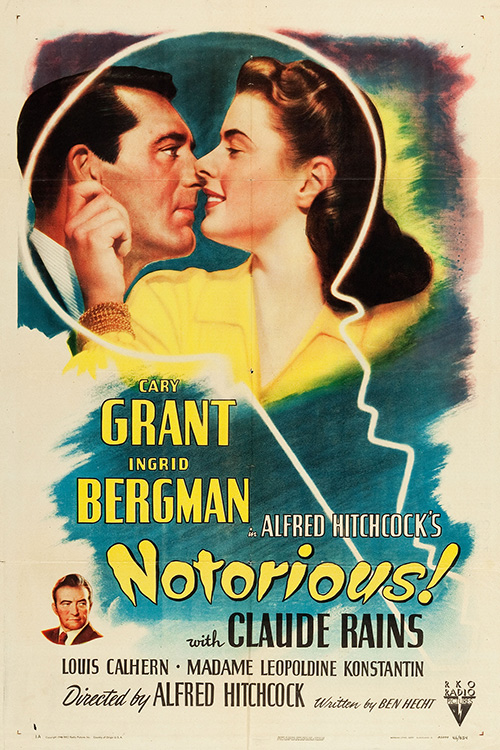
  7. Notorious [1946], directed by Alfred Hitchcock
  8. The Thin Man [1934], directed by W.S. Van Dyke
  9. Stagecoach [1939], directed by John Ford
  10. Fargo [1996], directed by Joel Coen & Ethan Coen

Film stills from left to right, top to bottom are Lawrence of ArabiaCitizen Kane, Chinatown, Nichols High School, Robert Creeley.

John J. Fink

Buffalo is full of people helping to cultivate cinema and we want to celebrate those involved. The Cultivators is a new monthly feature in which we highlight individuals who are integral to the presentation, promotion and production of film here in the queen city.

THE CULTIVATORS #005

JOHN J. FINK

Artistic Director at Buffalo International Film Festival | Senior Staff Writer at The Film Stage
Twitter: @finkjohnj

QUESTIONS & ANSWERS

What got you interested in movies?

I think my intro came like most: seeing and enjoying mainstream movies. In particular Saturday matinees at the 10-plex in Paramus, New Jersey where I became interested in the fact that in each one of those rooms something different was happening while I was seeing films like Dennis The Menace and Groundhog’s Day.

I developed a little more adventurous taste around middle school thanks to Siskel and Ebert. I became interested in the small ads for foreign and indie films—things that would rarely make the Paramus 10-plex. And then one day one of those acclaimed films mysteriously showed up at another local New Jersey multiplex: Mike Leigh’s Secrets & Lies. Mom and I decided to go see it.

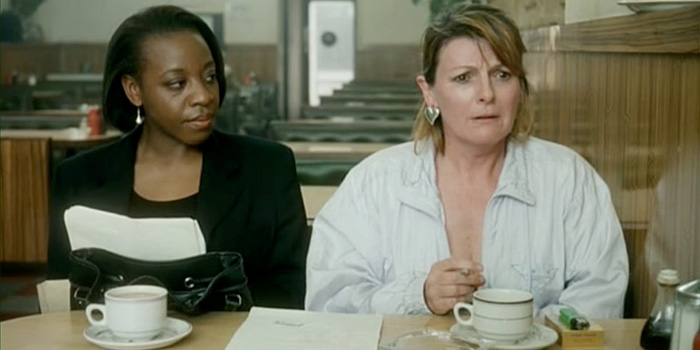
That film blew my mind—a work of improvisational social realism that proved to be more exciting than the latest James Cameron action film. I’m grateful to my mother, Gayle, who supported this inquiry—suffering through countless films until my 17th birthday when I was able to drive myself to the art houses in Montclair, NJ where I continued my film education with films like The Piano TeacherChopperY Tu Mamá También, and Divine Intervention. I’ve been fortunate enough to live all of my life in or near cities with great art house cinemas.


What is your favorite movie related memory?

I have so many great ones from my first TIFF screening ten years ago at the Ryerson (which has been home to many great movie memories) to seeing Last Day of Disco (one of my favorites) with a packed house at Metrograph in August.

It’s so difficult to pin-point one memory but I do think cinema is a useful tool for reflection and self-discovery and sometimes intentionally or unintentionally its a therapy for the viewer as much as it is the filmmaker. Films that have hit me hardest as a teen were films that seem to directly reflect an emotional reality that wasn’t always represented—films like Rob Schmidt’s Crime and Punishment in Suburbia and Sofia Coppola’s The Virgin Suicides, both of which I had seen in theaters and nailed what it was like to be a teenage boy making sense of all those pretty girls that unintentionally drive you insane while also blurring the boundaries between fantasy and reality as one gets to know his backstory. I’m a sucker for films about time and place, particularly those about the American suburbs.

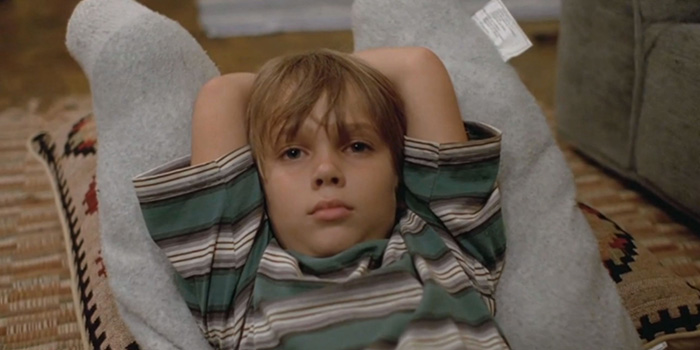
A second viewing of Richard Linkater’s Boyhood became a more personal experience a month after my grandmother passed away. Having seen the film months after its opening weekend, I found the experience more intense, emotional, and rich the second time around. That afternoon I walked into Dipson’s McKinley Mall, cried more than I ever have before at a movie, and walked out refreshed having had a cathartic experience. I don’t think that’s ever happened to me during a second viewing.


How did you end up in Buffalo?

After the economy fell off a cliff in 2008 (sometime after a particularly excellent cinematic adventure at TIFF) I decided it was time to get back to my passion: film. I had been working in sales and operations for a rather large and conservative regional bank. Even through they were well-managed, they were not immune to the economic earthquake. The breaking point was taking a class to become a CTP (Certified Treasury Professional) only to be told Congress will be changing much of what we were learning in the next few days (but we still had to know it for the test!).

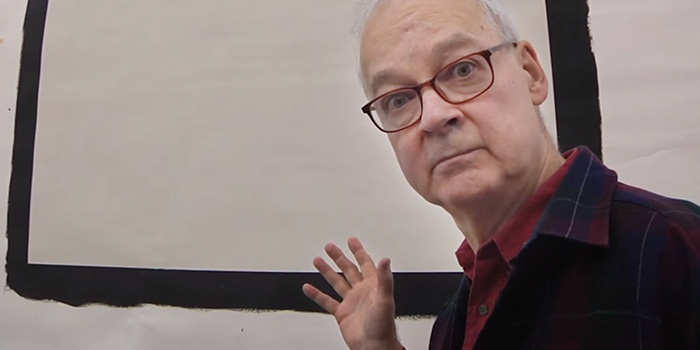
After researching my options I landed at the University at Buffalo, Department of Media Study in the fall of 2009 to pursue an MFA. I had originally arrived in a very experimental department in transition as someone mostly interested in narrative film and found an unlikely supporter in the great Tony Conrad. Buffalo proved to be an amazing playground for the arts (although not without its challenges) and I enjoyed the kind of wild-west atmosphere where great things were possible for a guerrilla filmmaker with organizations like Hallwalls and Squeaky Wheel providing a platform (and audience) to take on projects that blended film and installation through their big annual fundraiser parties.

In 2013 my graduate thesis film Brandonwood (filmed mostly in WNY’s Southtowns) had its world premiere at BIFF. The next year shortly after the festival, BIFF founder and director Ed Summer passed away and I thought surely BIFF would remain dormant. I was encouraged by the movement to relaunch the festival as it represented a rare opportunity to host the kind of regional festival I would have liked to have attended as a cinephile living in Buffalo, so I jumped at the opportunity to join the team. Although I have moved back to the New York City area for family and professional reasons, I remain closely connected to the 716 though BIFF, various film projects, and close friends and collaborators.

What do you want to see more of in Buffalo?

I’d love to see FILM make a comeback—at least for many of the exciting repertory screenings that are hosted around town weekly! Nationally it’s encouraging to see 35MM is being championed by filmmakers and operators like the Alamo Drafthouse and in New York by the new Metrograph (which presents several 35MM prints a day). While I admire new digital restorations that make classics more accessible via DCP, I really love the texture of a properly preserved and presented print. On a related side note: we have intel that a 70MM projector exists in a mothballed WNY cinema! My dream is to save, restore, and install it for big screen classics and the latest works from our contemporary master filmmakers who are still fighting the good fight. Any cultivators up for a heist and/or caper?


What are your essential film books?

My gateway of course was anything written by Roger Ebert. I used to sit in my room skimming his big book of reviews as a kid and teen before high speed internet. When I grew up and met other cinephiles in the festival and criticism circles, I found that wasn’t so unusual.

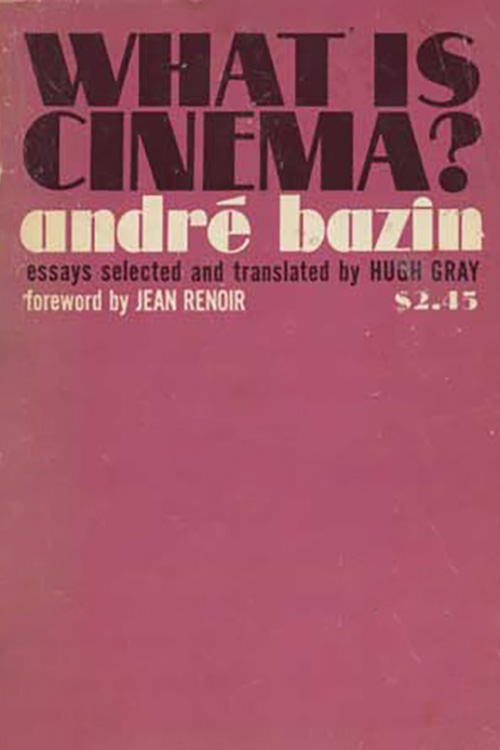
Essentials discovered further along in my formal film education are Pier Paolo Pasolini’s Heretical Empiricism and Andre Bazin’s What is Cinema which, when read together, offer some interesting tension around the grammar and politics of cinema. I like that Bazin’s “Myth of Total Cinema” continues to poke its thumb at new media storytelling like VR and 4D Cinema, even as they are heralded as the next big thing. I also recently read Hitchock/Trauffaut after seeing Kent Jones’ terrific film at TIFF last year and it might as well replace Bordwell and Thompson as the default text in every “Intro to Film” course.

TOP TEN FILMS
  1. Barcelona [1994], directed by Whit Stillman
  2. The Piano Teacher [2001], directed by Michael Haneke
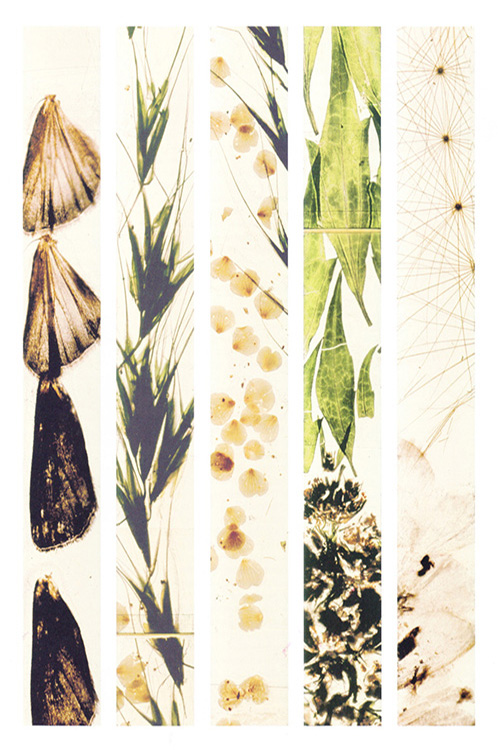
  3. Mothlight [1963], directed by Stan Brackhage
  4. Syndromes and a Century [2007], directed by Apichatpong Weerasethakul
  5. In Jackson Heights [2015], directed by Fredrick Wiseman
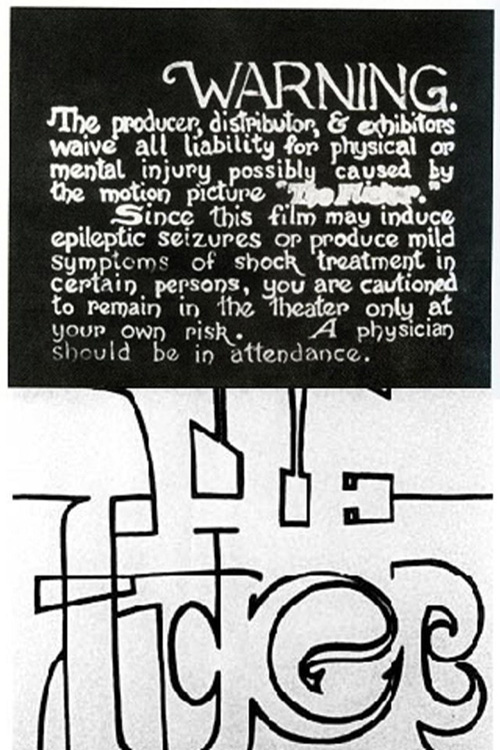
  6. The Flicker [1966], directed by Tony Conrad
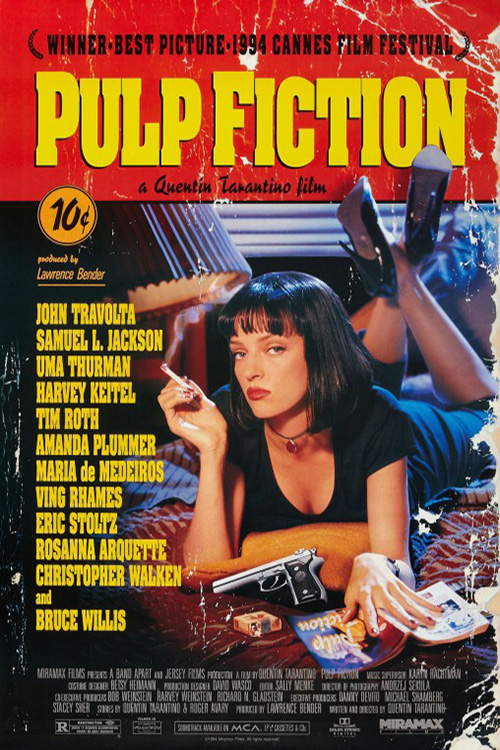
  7. Pulp Fiction [1994], directed by Quentin Tarantino
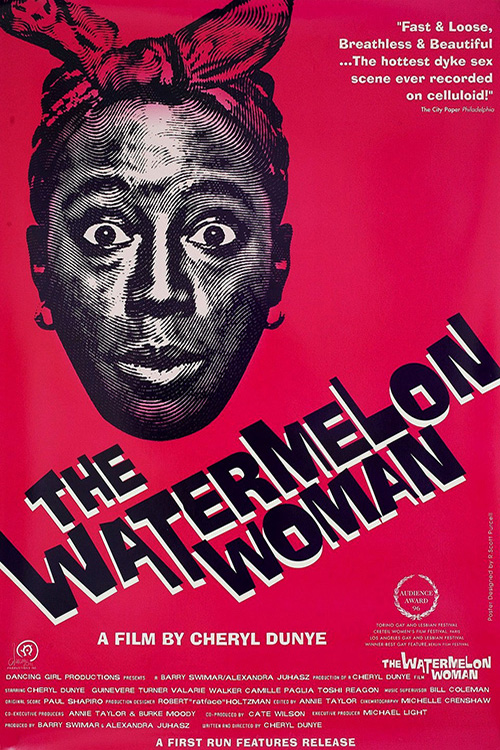
  8. The Watermelon Woman [1996], directed by Cheryl Dunye
  9. Sunshine State [2002], directed by John Sayles
  10. Exotica / The Sweet Hereafter [1994 / 1997], directed by Atom Egoyan
    • Egoyan’s back-to-back masterpieces

Film stills from left to right, top to bottom are Dennis the MenaceSecrets & Lies, Y Tu Mamá TambiénThe Last Days of DiscoThe Virgin SuicidesBoyhood, Tony Conrad, and Brandonwood.

Raymond Guarnieri

Buffalo is full of people helping to cultivate cinema and we want to celebrate those involved. The Cultivators is a new monthly feature in which we highlight individuals who are integral to the presentation, promotion and production of film here in the queen city.

THE CULTIVATORS #004

RAYMOND GUARNIERI

Former Executive Director at Buffalo International Film Festival | Writer, Director & Producer of Buffalo Boys (2013)
Website: raymondguarnieri.com / Twitter: @RayGuarnieri

QUESTIONS & ANSWERS

What got you interested in movies?

I grew up on Scorsese and DeNiro because of my dad’s side of the family (Italian American). GoodfellasCasinoRaging Bull. I wanted to be an actor and went to The American Academy of Dramatic Arts in NYC right out of high school. I graduated at the start of the DSLR revolution and stumbled into producing and directing my first feature Buffalo Boys. Since then my life has revolved around the moving image.


What is your favorite movie related memory?

My VERY first memory period is of my dad standing over me while I lay in a portable crib. He was impersonating DeNiro in Taxi Driver while looking down at me, “What are you looking at? Are you looking at me? Are YOU looking at ME?”


How did you end up in Buffalo?

I grew up all over WNY: Clarence, Tonawanda, Cheektowaga. I’ve lived full-time in NYC since 2008 but make it back 4-5 times a year to keep the Buffalo International Film Festival going and to be with family and friends.


What do you want to see more of in Buffalo?

I want to see more major motion pictures being made in Buffalo. I want to see all the unions represented. I want filmmaking to be a viable career choice for people all over WNY (without having to move to Toronto, NYC or LA). I want Buffalo to be the home of a premiere film festival—where filmmakers from around the country and world hope to have their movie screened so that it might be picked up by a distributor and even nominated for an Oscar.


What are your essential film books?

In order of importance:
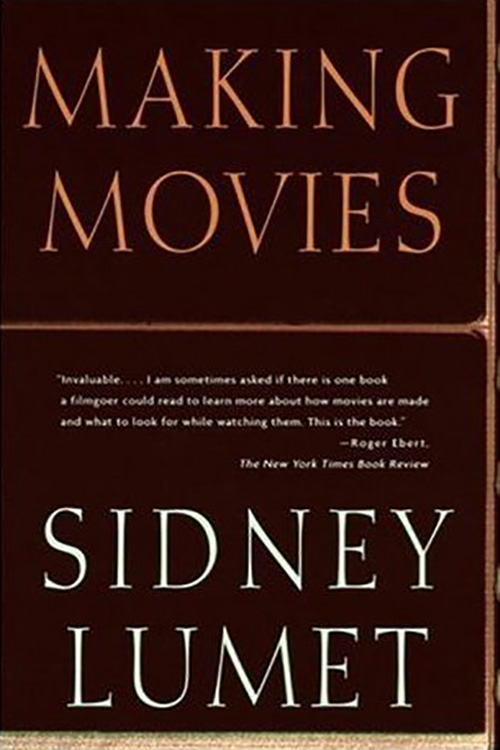
1.) Making Movies, Sidney Lumet
2.) On Directing Film, David Mamet
3.) Shooting To Kill, Christine Vachon

TOP TEN FILMS

I’m so mad that you’re even making me do this.

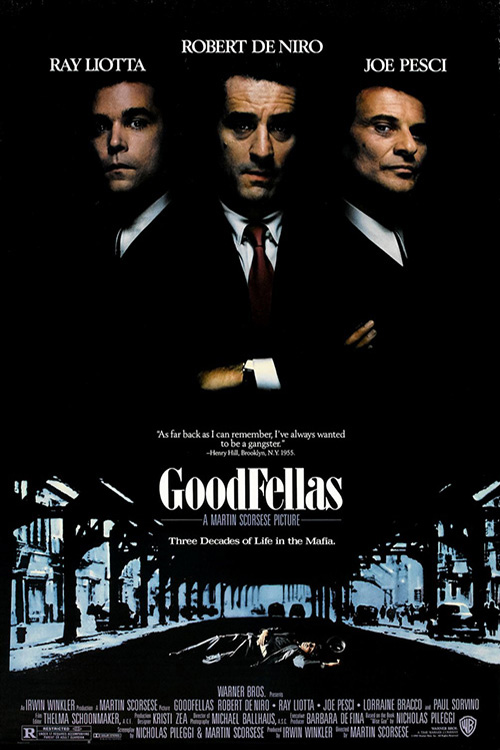
  1. Goodfellas [1990], directed by Martin Scorsese
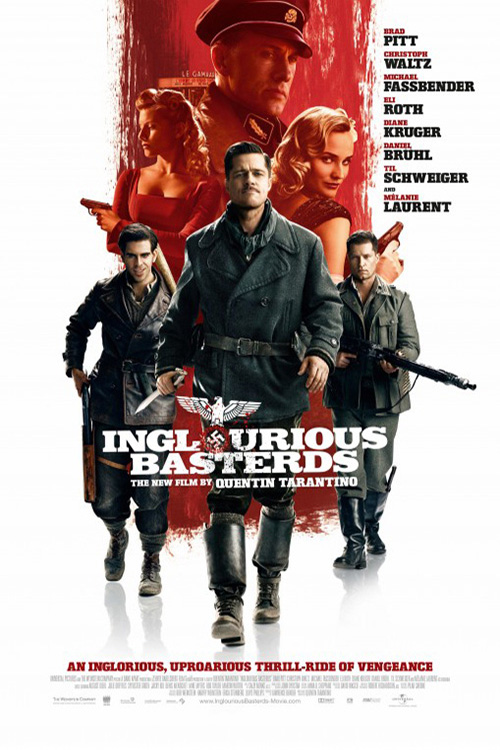
  2. Inglorious Basterds [2009], directed by Quentin Tarantino
  3. Shadow of a Doubt [1943], directed by Alfred Hitchcock
    • Alfred Hitchcock is the greatest artist of the 20th Century.
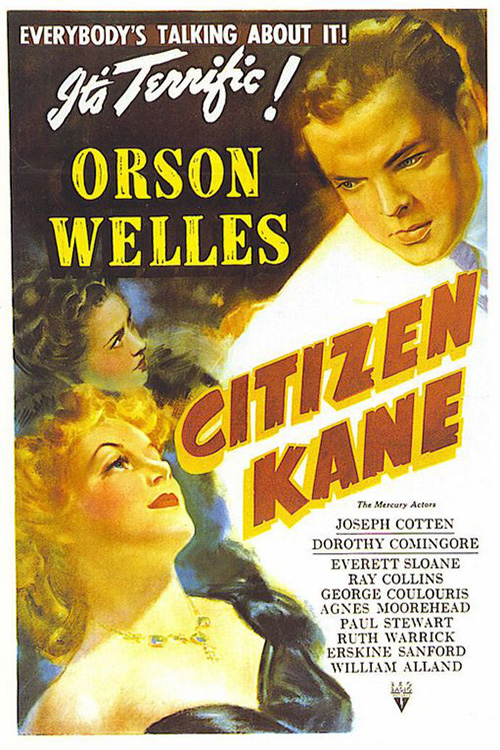
  4. Citizen Kane [1941], directed by Orson Welles
  5. 2001: A Space Odyssey [1968], directed by Stanley Kubrick
  6. Star Wars: Episode IV – A New Hope [1977], directed by George Lucas
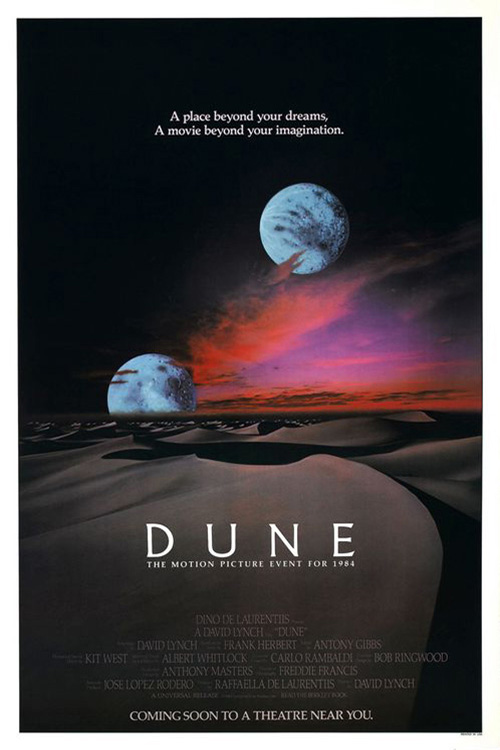
  7. Dune [1984], directed by David Lynch
    • The 1984 David Lynch version … DON’T JUDGE ME.
  8. Pulp Fiction [1994], directed by Quentin Tarantino
  9. The Shining [1980], directed by Stanley Kubrick
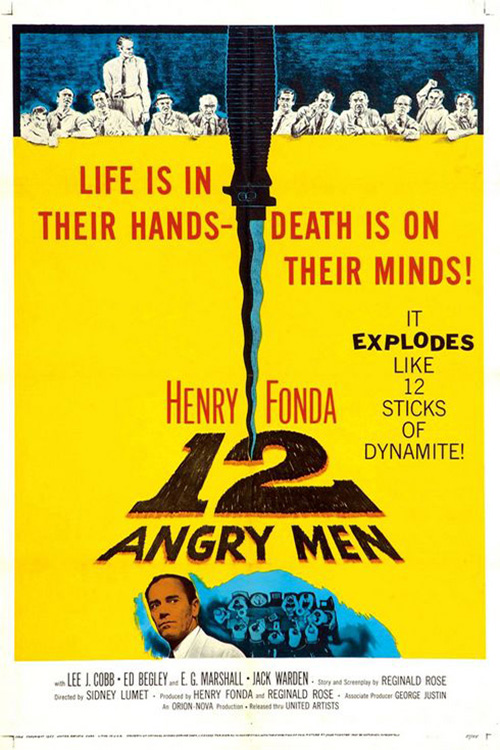
  10. 12 Angry Men [1957], directed by Sidney Lumet

Film stills from left to right, top to bottom are GoodfellasRaging BullBuffalo Boys, and Taxi Driver.

Christopher Schobert

Buffalo is full of people helping to cultivate cinema and we want to celebrate those involved. The Cultivators is a new monthly feature in which we highlight individuals who are integral to the presentation, promotion and production of film here in the queen city.

Photo by Sarah Jane Barry.

THE CULTIVATORS #003

CHRISTOPHER SCHOBERT

Film Critic | Frequent contributor to The Buffalo NewsBuffalo Spree and The Film Stage
Website: filmswoon.com / Twitter: @FilmSwoon

QUESTIONS & ANSWERS

What got you interested in movies?

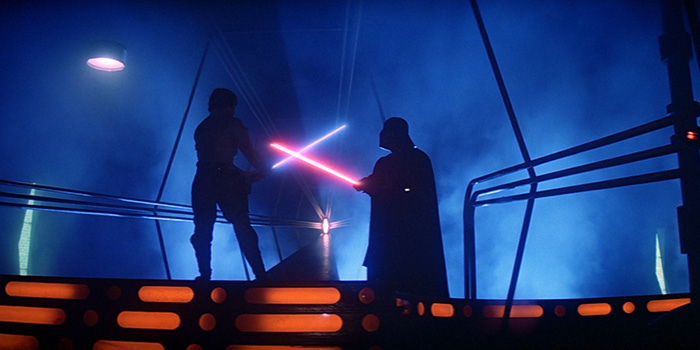
Film was always part of my family’s ongoing conversation growing up, thanks to having an older brother and parents with an awareness of what was happening in pop culture. Timing was certainly a factor; I was born in 1980, at the midpoint of the original Star Wars trilogy. For a suburban kid during that decade, the availability of Star WarsIndiana JonesE.T., and Back to the Future on VHS was huge. So by the time I was old enough to truly develop my own taste in movies and music, I was already hooked on cinema.

One movie always led to another, and there were two elements that kept my film diet steady: There was a store in West Seneca called Movies Plus that had a “five movies for five days for $5” deal, and I was able to talk my parents and brother into driving me there with regularity. That’s where I first rented some of the films that would change my life: The GodfatherBlue VelvetA Clockwork OrangeRaging Bull. Plus, Turner Classic Movies showed “imports” on Sunday nights at 2 a.m., so I recorded these every week, no matter what they were showing. That’s how I saw Godard, Truffaut, Kurosawa, Bergman, etc. for the first time.

Part of what made me a cinephile was that finding some of these films involved a real quest. Not everything was easily available, and tracking them down became part of the joy. Stumbling upon something I’d read about but never saw, like Purple Noon or Swoon, seemed to be a real victory.


What is your favorite movie related memory?

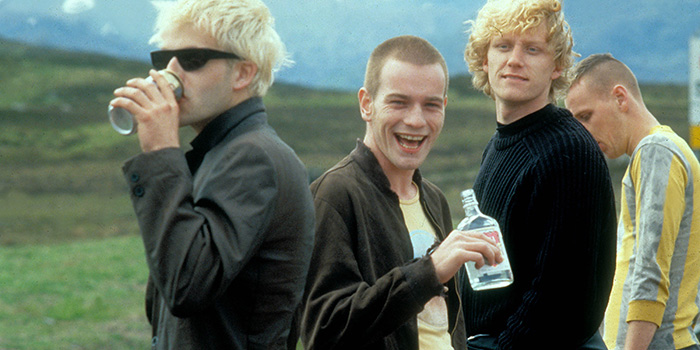
One of the first films I saw in a theater was Return of the Jedi, and I remember that seeming like a major life event—even for a 3-year-old. It felt epic on a big screen, and I walked out spellbound. Another important moment was seeing Pulp Fiction a few days after it opened in 1994. My view of that film today is a bit more mixed, but for a 14-year-old, it seemed so fresh and bold. I had a similar experience watching Trainspotting a couple years later. Incidentally, that one holds up better for me.

My favorite memory from recent years is probably when my wife and I took our son to his first film at the cinema. He was 3 at the time, and we’d pondered whether he was ready. Finally, we decided to give it a go. We took him to Monsters University at the Maple Ridge 8—flawed Pixar, to be sure, but more enjoyable when viewed with a child!—and we almost made it through the whole thing. The whole experience was pretty wonderful, especially when the theater darkened and the film first started. It was certainly a life-has-come-full-circle moment for me. Since then he’s been my steady movie-going companion. He hates wearing 3D glasses, and I can’t say I blame him … My daughter is 2, so her first outing to the cinema awaits.

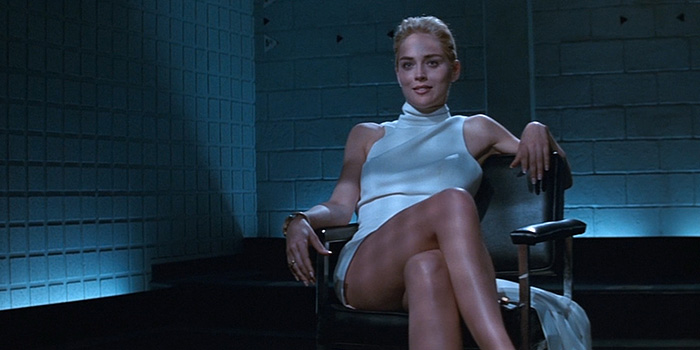
I should mention sneaking into Basic Instinct at the now-defunct Holiday 6 in 1992 as one of those great movie memories. My brother bought us tickets for an Alec Baldwin-Meg Ryan flick called Prelude to a Kiss, and we high-tailed it into BI. I was a lunch-table hero for a few minutes, at least, and I loved the idea of seeing something controversial, and not meant for my eyes.

Covering the Toronto International Film Festival each year results in some fantastic memories. This will be my 10th year at TIFF, and it’s been extraordinarily fun, and occasionally surreal. Having Megan Fox ask me about my son’s astrological sign and then chatting with Michael Shannon a few minutes later about how excited we both were to see Antichrist certainly ranks high on the absurd-memories list.

Lastly, seeing my first film review in The Buffalo News in 2005 was very special. I have my late UB professor Mark Shechner and Buffalo News critic and arts editor Jeff Simon to thank for making that happen, since Mark recommended me to Jeff as a possible critic. I’d grown up in a house that had the News delivered each day, so seeing my name in those pages—reviewing a film, no less—was a great honor, even if that film was a horror flop called Venom. My wife later had that review framed for me, and that’s one of the most meaningful gifts I’ve ever received.

Clearly, I have too many movie-related memories to limit it to just one …


How did you end up in Buffalo?

I was born here, and I’ve spent my entire life in Western New York. I graduated from UB with a degree in media study, and many of my friends went to work in film and media in California and elsewhere. But I can say with some certainty that I never really thought about leaving. I met my wife here, got married here, and we had our children here. Buffalo is our home, and it’s hard for me to imagine living elsewhere.


What do you want to see more of in Buffalo?

I love that a number of truly unique films are coming here thanks to CCC, Squeaky Wheel, Hallwalls, etc., since many of these would not have been available here in the past. It always makes me sad when something extraordinary completely skips Buffalo, so I’m thrilled to see things like Mommy and The Tribe make it to WNY, even if it’s for one night only. It’s also fun to see how many film series are now happening here. I write a monthly screenings column for Spree, and I’m continually impressed by what I find.

I do wish we had one more second-run theater. The Dipson McKinley cinema is comfortable and affordable, especially if you have kids. And you have wonderful, historic venues like the Palace in Hamburg and the Aurora in East Aurora. But I’d like to see one closer to the city, and perhaps another in the Northtowns.


What are your essential film books?

When I first truly embraced cinema in the early 90s, I was desperate to find real criticism, and even after I had internet access at home I was still mostly reliant on whatever books I could get my hands on. Chief among these was Roger Ebert’s annual Movie Home Companion. These were pretty much destroyed due to over-reading; I can’t stress enough how vital these were to teaching me about films and filmmakers. That’s where I first ran into names like Werner Herzog and Terry Zwigoff.

One of the key books for me in general is Easy Riders, Raging Bulls by Peter Biskind. I’ve probably read it four or five times in full, and I still enjoy jumping in at random points. It’s relentlessly readable, just like a few of my other favorites: Julie Salamon’s Bonfire of the Vanities chronicle, The Devil’s Candy: The Anatomy of a Hollywood Fiasco; Steven Bach’s Final Cut: Art, Money, and Ego in the Making of Heaven’s Gate, the Film That Sank United Artists; and Hit & Run: How Jon Peters and Peter Guber Took Sony for a Ride in Hollywood by Nancy Griffin and Kim Masters.
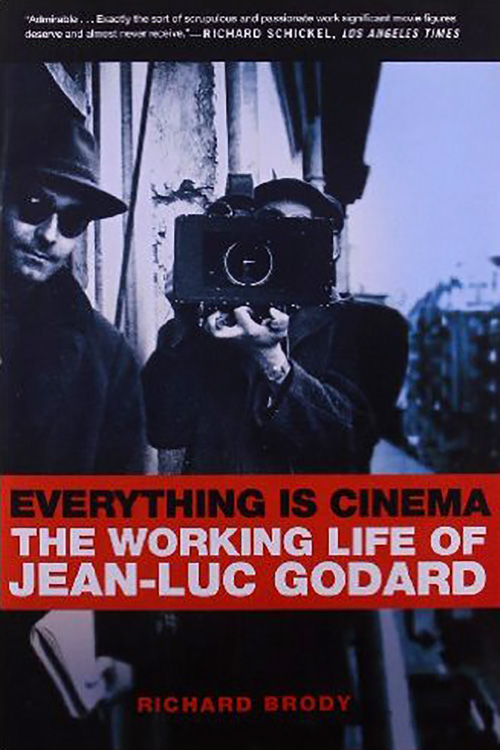
The “Directors on Directors” series was hugely important in my film education, and my favorite was and still is Cronenberg on Cronenberg. I had the 1992 edition, with Naked Lunch on the cover, and I was so thrilled after reading it and watching his work that I sent him a fan letter. I received an autographed picture from his office, and I’d like to think I was the only 12-year-old in Erie County with an autographed Cronenberg pic on his wall. I still enjoy paging through anything by David Thomson and Pauline Kael, and of course Hitchcock/Truffaut. Richard Brody’s Everything Is Cinema: The Working Life of Jean-Luc Godard is essential. And one of my recent favorites is Movie Freak, by Owen Gleiberman.

One book that’s very special to me is Kubrick, by the late Michael Herr. It includes one of the great passionate defenses of Eyes Wide Shut I’ve ever come across, and it’s downright inspiring to read. I don’t think anyone who writes about film could aspire to more than that.

TOP TEN FILMS

This is always a tricky question for me, since things rise and fall depending upon age and life experience. But my top four are set in stone: Chunking Express (1994, directed by Kar-Wai Wong), Eyes Wide Shut (1999, directed by Stanley Kubrick), Dead Ringers (1998, directed by David Cronenberg), and Goodfellas (1990, directed by Martin Scorsese). After that, things are always shifting … Today, let’s go with The Shining (1980, directed by Stanley Kubrick), Bottle Rocket (1996, directed by Wes Anderson), The Godfather Part II (1974, directed by Francis Ford Coppola), The Empire Strikes Back (1980, directed by Irvin Kershner), Chinatown (1974, directed by Roman Polanski), and Crimes and Misdemeanors (1989, directed by Woody Allen).

Next week, it might include TrainspottingBlade RunnerZodiacStar Wars: A New HopeBlack NarcissusBarry LyndonThe 400 BlowsAlienThe GodfatherRushmoreBlue VelvetRaiders of the Lost ArkBlood SimpleDriveEd WoodLost in TranslationSid and NancyCachéBreathlessThe King of ComedyBoogie NightsLove and Death, In the Mood for LoveMean StreetsLet the Right One InRedsZ Channel: A Magnificent ObsessionThe Naked Gun (oh yes), HeatThe Wages of FearDo the Right ThingInglourious BasterdsThe Lovers on the BridgeE.T. the Extra-TerrestrialTwin Peaks: Fire Walk With MeSmall ChangeThe Player, and, and, and …

Oh, if Road House or Point Break are on, I’m watching them. Make of that what you will.


Film stills from left to right, top to bottom are Empire Strikes BackThe GodfatherPurple Noon, TrainspottingMonsters University, and Basic Instinct.

Jared Mobarak

Buffalo is full of people helping to cultivate cinema and we want to celebrate those involved. The Cultivators is a new monthly feature in which we highlight individuals who are integral to the presentation, promotion and production of film here in the queen city.

Photo by Rich Wall.

THE CULTIVATORS #002

JARED MOBARAK

Graphic Designer | Art Director at Cultivate Cinema Circle | Film Critic at The Film Stage and BuffaloVibe
Website: jaredmobarak.com | Twitter: @jaredmobarak

QUESTIONS & ANSWERS

What got you interested in movies?

I’ve been a movie fan ever since I was a kid. My family would have movie nights and go to Blockbuster weekly when not attending the local multiplex; our collection of VHS tapes ever-growing with HBO recordings and egg-shell Disney titles for my little sister until the advent of DVD took over.

It wasn’t until after I graduated high school in 2000 that I really started delving into cinema beyond the studio blockbuster system. I had started consciously buying letterboxed videocassettes from the smallest of sections at the back of MediaPlay and purchased my first DVD player early on around 1999 (my parents held on to VHS for another year or two). I began going to Dipson Theatres Amherst to see the likes of Darren Aronofsky’s Requiem for a Dream and Christopher Nolan’s Memento after reading M. Faust’s reviews in (at the time) Artvoice.

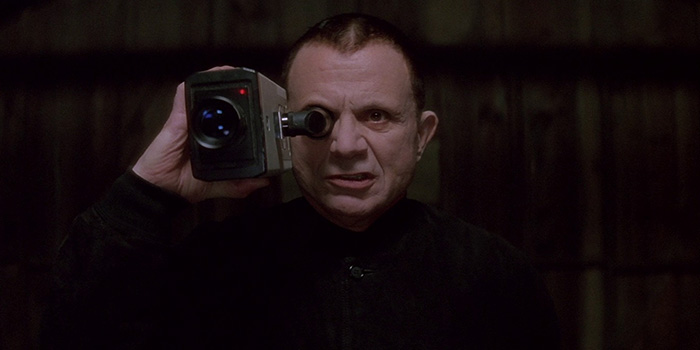
Then our family friend introduced me to David Lynch. He told me to seek out Lost Highway and then Blue Velvet. From there he had me go to Dune and Eraserhead. I fell in love with Lynch’s surrealism and wild ideas. That’s when I finally understood there was more to cinema than pure entertainment. This was literally an art form to admire.


What is your favorite movie related memory?

I’m not sure I could come up with a “favorite” memory, but I do have many that come to mind. Here are three:

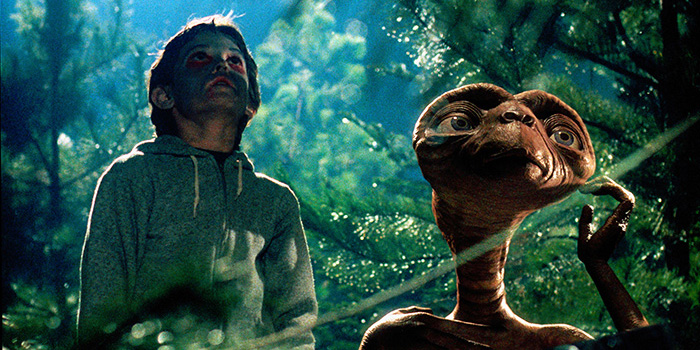
My earliest is seeing E.T. the Extra-Terrestrial at a drive-in in Florida (it must have been during the 1985 re-release or later since I was born in Buffalo in 1982, the year it bowed, and obviously wouldn’t have remembered that). The memory has a dream-like quality of brief image flashes and nothing else, but I’m pretty certain it actually happened.

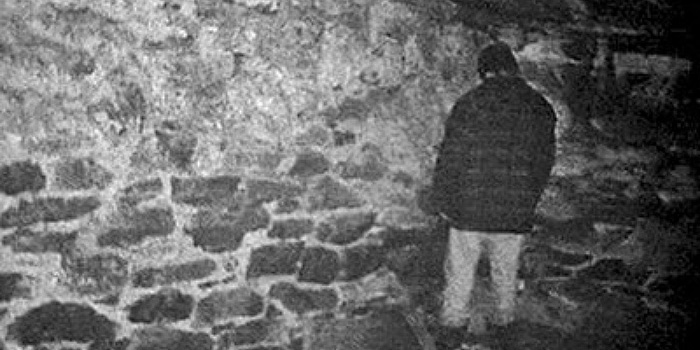
The first time I ever went to Dipson Amherst was for The Blair Witch Project in 1999. I had been following the faux history of that tape online and in the papers—my excitement level at a fever pitch. My older sister and I brought my cousin who was visiting from Pennsylvania with us and I remember enjoying its tense atmosphere immensely.

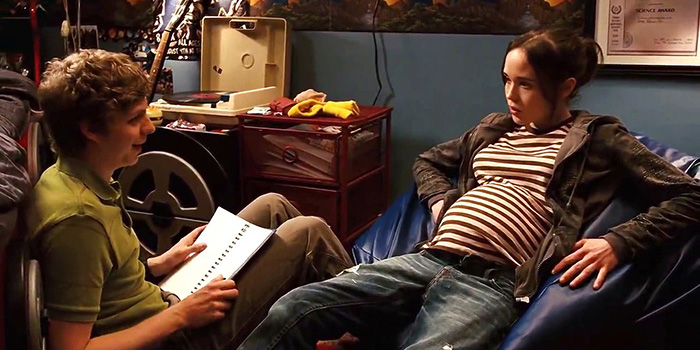
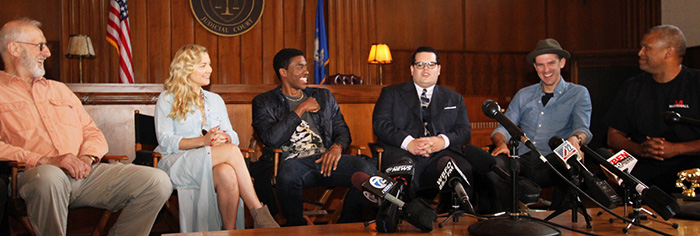
And I’ll never forget my first screening at the Toronto International Film Festival. Friend and fellow Buffalo-based critic Christopher Schobert and I walked into the box office with nothing but vouchers and a desire to see two or three movies a day for the weekend. The next available screening was Juno and we both agreed to liking Jason Reitman’s Thank You For Smoking as well as Ellen Page’s turn in Hard Candy. So we said, “Yes.” Diablo Cody was in attendance wearing a Superman tee and she and Reitman came out after for a lengthy Q&A. We’ve gone back to TIFF every year since.


How did you end up in Buffalo?

I’m a born and raised Buffalonian save a five-plus year stint between the ages of three and nine in Ft. Lauderdale. I went to college for graphic design at UB and have been lucky enough to stay local for work ever since.


What do you want to see more of in Buffalo?

I remember reading an article years ago that someone wanted to buy the old Memorial Auditorium for a dollar and turn it into studio space to bring some of the Hollywood money siphoning off to Toronto our way. It obviously didn’t happen.

Interestingly enough, however, once that site was ripped down to help bolster the burgeoning Canalside district and shine a light on the area’s rebirth, film productions came anyway. It’s been great to see stuff like Teenage Mutant Ninja Turtles: Out of the ShadowsMarshall, and even indie fare like Emelie coming here to shoot.

I’d love to see more of this in the future and think that it will only help expose the community to the cinema and reinvigorate a drive to go to theaters like North Park and Dipson more. We’re trying to do that ourselves with Cultivate Cinema Circle bringing films the big cities like New York and Los Angeles are getting—stuff a Regal Cinemas wouldn’t attempt here. Building that audience and opening the region up to cinema beyond mainstream fare can put Buffalo on the map as a movie market destination.


What are your essential film books?

I honestly don’t read many books on cinema. I greatly enjoyed Mark Harris’ Pictures at a Revolution: Five Movies and the Birth of the New Hollywood and leaf through David Thomson’s The New Biographical Dictionary of Film every once in awhile, but other than those I generally stick to fiction.

I do remembering thinking Theodore Roszak’s novel Flicker was fantastic on that front. It centers on a UCLA student who falls down the well of classic cinema and onto the path of a mysterious German B-movie auteur named Max Castle. Darren Aronofsky has long been attached to possibly direct an adaptation.

TOP TEN FILMS
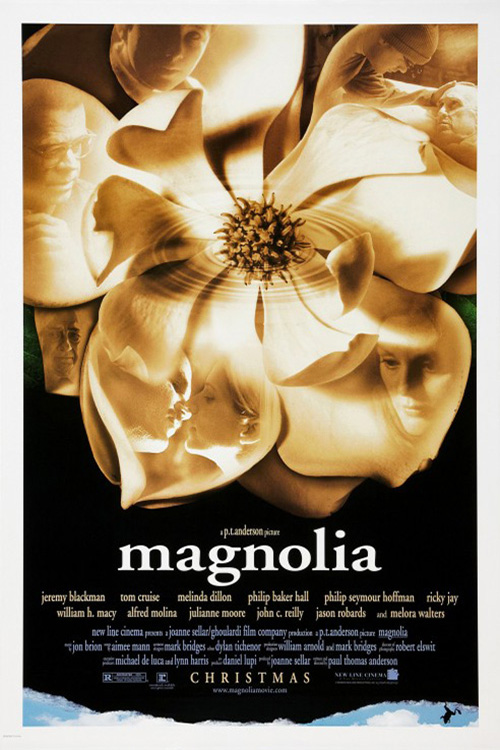
  1. Magnolia [1999], directed by Paul Thomas Anderson
  2. 2001: A Space Odyssey [1968], directed by Stanley Kubrick
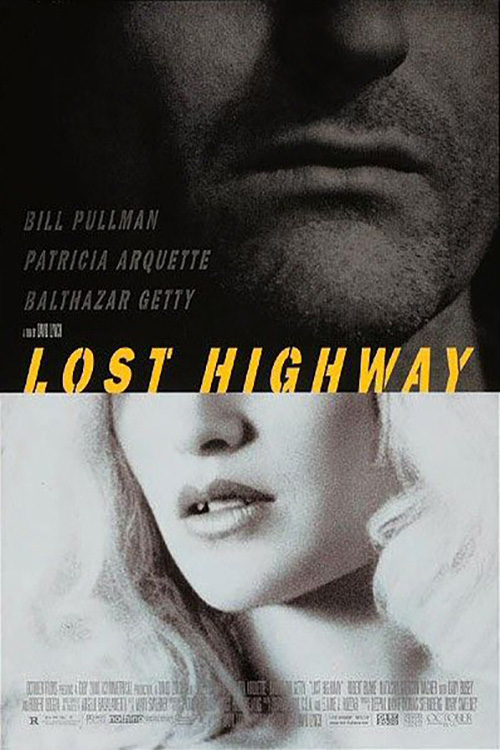
  3. Lost Highway [1997], directed by David Lynch
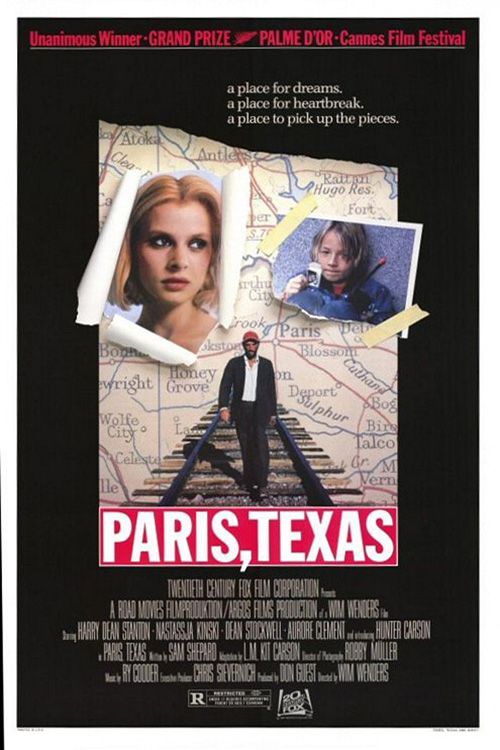
  4. Paris, Texas [1984], directed by Wim Wenders
  5. 8 1/2 [1963], directed by Federico Fellini
  6. Eyes Wide Shut [1999], directed by Stanley Kubrick
  7. It’s a Wonderful Life [1946], directed by Frank Capra
  8. Days of Heaven [1978], directed by Terrence Malick
  9. Pulp Fiction [1994], directed by Quentin Tarantino
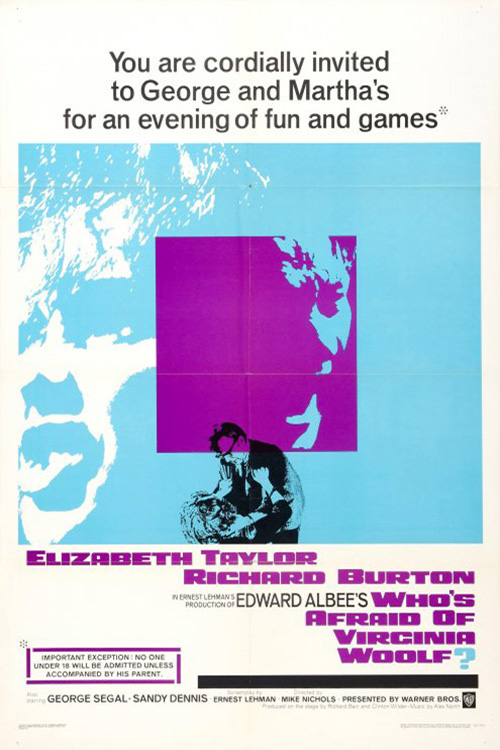
  10. Who’s Afraid of Virginia Woolf? [1966], directed by Mike Nichols

Film stills from left to right, top to bottom are Requiem for a DreamMementoLost Highway, E.T.The Blair Witch ProjectJuno, and the cast of Marshall on set.

Jordan M. Smith

Buffalo is full of people helping to cultivate cinema and we want to celebrate those involved. The Cultivators is a new monthly feature in which we highlight individuals who are integral to the presentation, promotion and production of film here in the queen city.

Photo by Sarah Jane Barry.

THE CULTIVATORS #001

JORDAN M. SMITH

Director at Cultivate Cinema Circle | Film Critic at IONCINEMAInfluence Film Club, and Stranger Than Fiction | Social Media Coordinator for DOC NYC | Librarian at Buffalo and Erie County Public Library System
Twitter: @Rectangular_Eye

QUESTIONS & ANSWERS

What got you interested in movies?

I grew up in Salamanca, NY, a small town in the southern tier where there was a two screen theater that I hazily remember catching mainstream blockbusters like Titanic and Liar Liar at before it closed and was converted into a section of what is now an antique mall. The only other big screen option was to drive 20 miles to the nearest multiplex. Thankfully, we lived three doors down from a Movie World rental shop. Anytime I found myself looking for something to do, I’d wander over and scan the shelves for something that looked out of the ordinary or had a cover plastered in festival leaves. I can’t tell you how many times I rented Luhrmann’s Romeo + Juliet, Aronofsky’s Requiem For A Dream and Miyazaki’s Princess Mononoke before I bought my own copies.

Growing up I was always swimming in music—playing in bands, DJing events, releasing LPs of bands I loved—so it wasn’t until grad school that I really fell hard for cinema. I found myself watching at least a single film each day, sometimes more, and found that I needed to find a way to make mental use of this sedentary activity. So I started writing down my thoughts as a way to process and deepen the experience. It’s only grown from there.


What is your favorite movie related memory?

I could list so many, but I’ll give two.

The first time I saw a film in a theater by myself is not necessarily my favorite, but certainly one of the most memorable. After I dropped my wife (then girlfriend) off at the airport for her first trip abroad, I went to see No Country For Old Men, which was not playing anywhere near where I lived at the time. The only other people in the theater were three older couples. I was devastated by the film and was completely weirded out by the whole experience. I drove the long ride home in a daze only to arrive to surrealistically find my father throwing my brother out of the house, literally standing on the roof throwing his belongings into the front lawn.

Second: Convincing my very disgruntled wife (still, then girlfriend) to spend one of our first trips to Toronto in the dark of the Toronto International Film Festival’s Lightbox to see Olivier Assayas’ six-hour terrorist epic Carlos only to have her admit that it was a great film which she highly enjoyed. A couple years later, I had the opportunity to sit down with Assayas to discuss his new film Clouds of Sils Maria, just after having interviewed his wife Mia Hansen-Løve about her own highly personal film Eden, about her DJ brother. Later that day, we all danced (my wife included) in the shut down streets of Toronto as her brother spun mid-90s French EDM (not normally my jam) in celebration of the film’s release.


How did you end up in Buffalo?

Back at the start of 2009, a good childhood friend and I packed up an overstuffed moving truck full of both of our belongings and jammed it into a beautiful little restored apartment on Chenango along with an acquaintance we’d met at college in Fredonia. I’d just been accepted into UB’s Library Science program with the intention of becoming a public librarian (which I have since) and was lucky enough to get a job working at the Lexington Co-op as well as a gig writing about film for IONCINEMA. Seven years later my wife and I are still here and have absolutely no intention of leaving any time soon!


What do you want to see more of in Buffalo?

Movies: preferably downtown; preferably on 35mm; preferably retro, world, and indie cinema. Where did all the art houses go? Where did all the changeover 35mm projectors go? Who wants to invest in bringing these back to Buffalo? Let’s make this a reality.


What are your essential film books?

I’m a slow reader, so my to-read pile is towering much, much higher than my read pile. That said, reading about movies is an essential facet of my overall cinema experience. What better way to unpack the films you love, learn about the historical context of when the films were made, and discover new films to watch and read about at the same time?

My essential picks thus far:

  • Theory: Adrian Martin’s Mise en Scène and Film Style
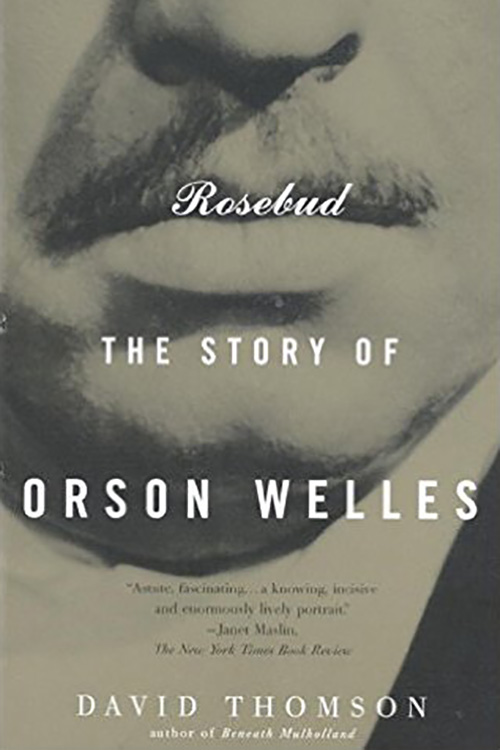
  • Biography: David Thomson’s Rosebud: The Story of Orson Welles
  • Memoir: Roger Ebert’s Life Itself
  • Pure Cinephilic Gossipy Fun: Peter Biskind’s Easy Riders, Raging Bulls

Plus, subscriptions to Sight & SoundCinema Scope and Film Comment are a must.

TOP TEN FILMS
  1. The Life Aquatic with Steve Zissou [2004], directed by Wes Anderson
  2. The Tree of Life [2011], directed by Terrence Malick
  3. There Will Be Blood [2007], directed by Paul Thomas Anderson
  4. The Devil and Daniel Johnston [2006], directed by Jeff Feuerzeig
  5. The Passion of Joan of Arc [1928], directed by Carl Theodor Dreyer
  6. The Shining [1980], directed by Stanley Kubrick
  7. Sans Soleil [1983], directed by Chris Marker
  8. Princess Mononoke [1997], directed by Hayao Miyazaki
  9. E.T. the Extra-Terrestrial [1982], directed by Steven Spielberg
  10. The Lovers on the Bridge [1991], directed by Leos Carax

Film stills from left to right, top to bottom are Romeo + JulietPrincess Mononoke, TitanicNo Country for Old Men, and Carlos.